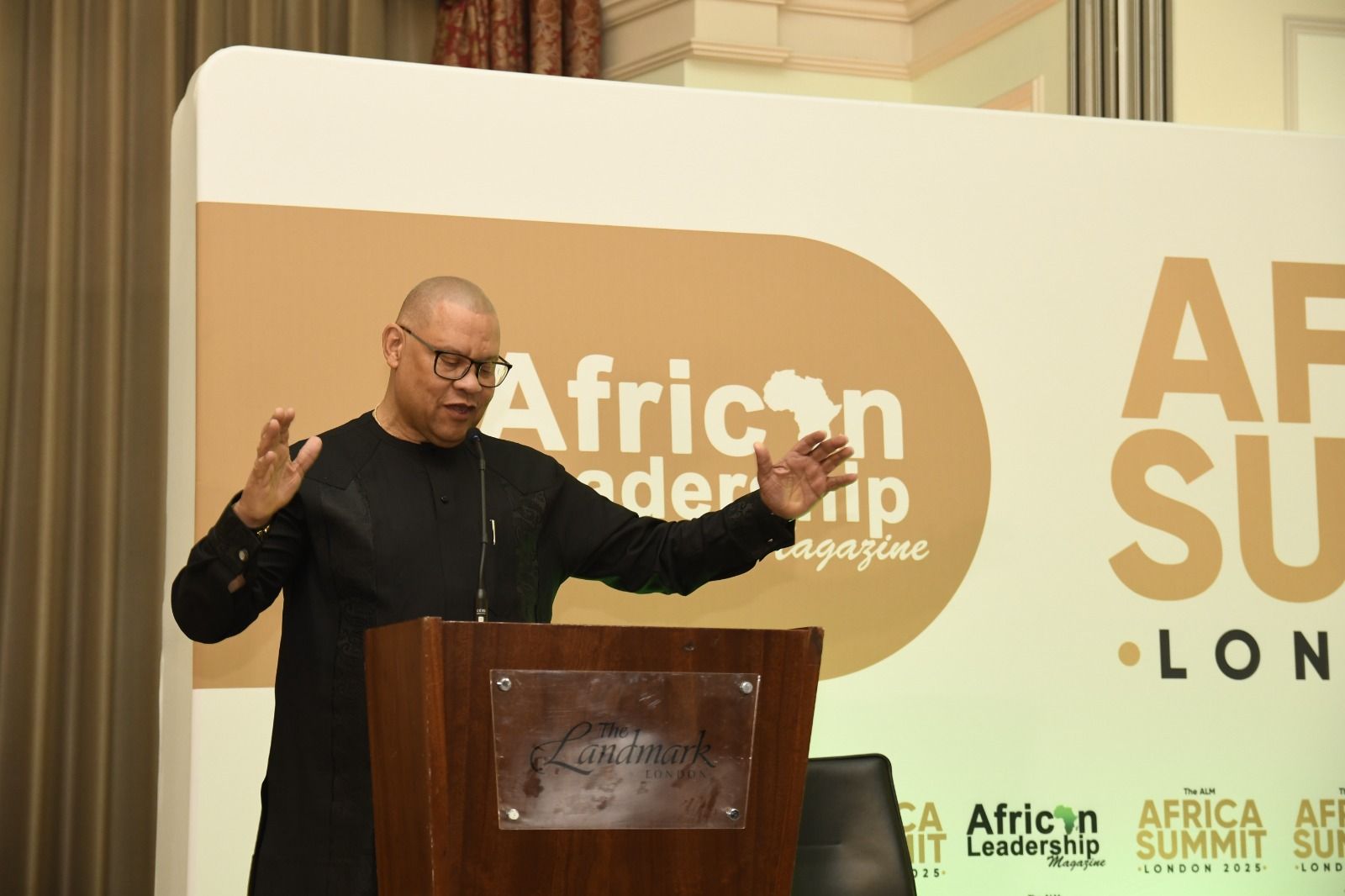
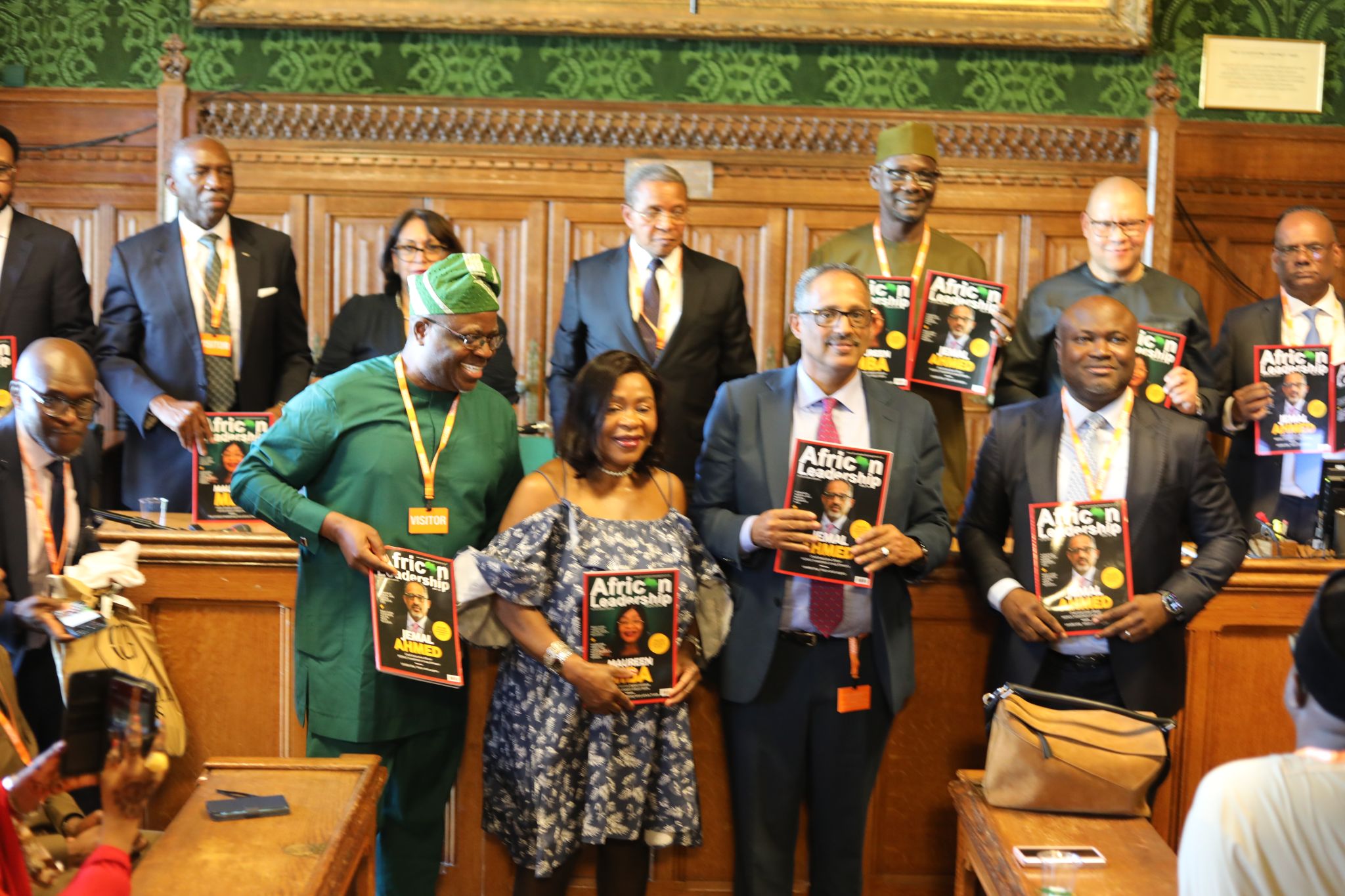
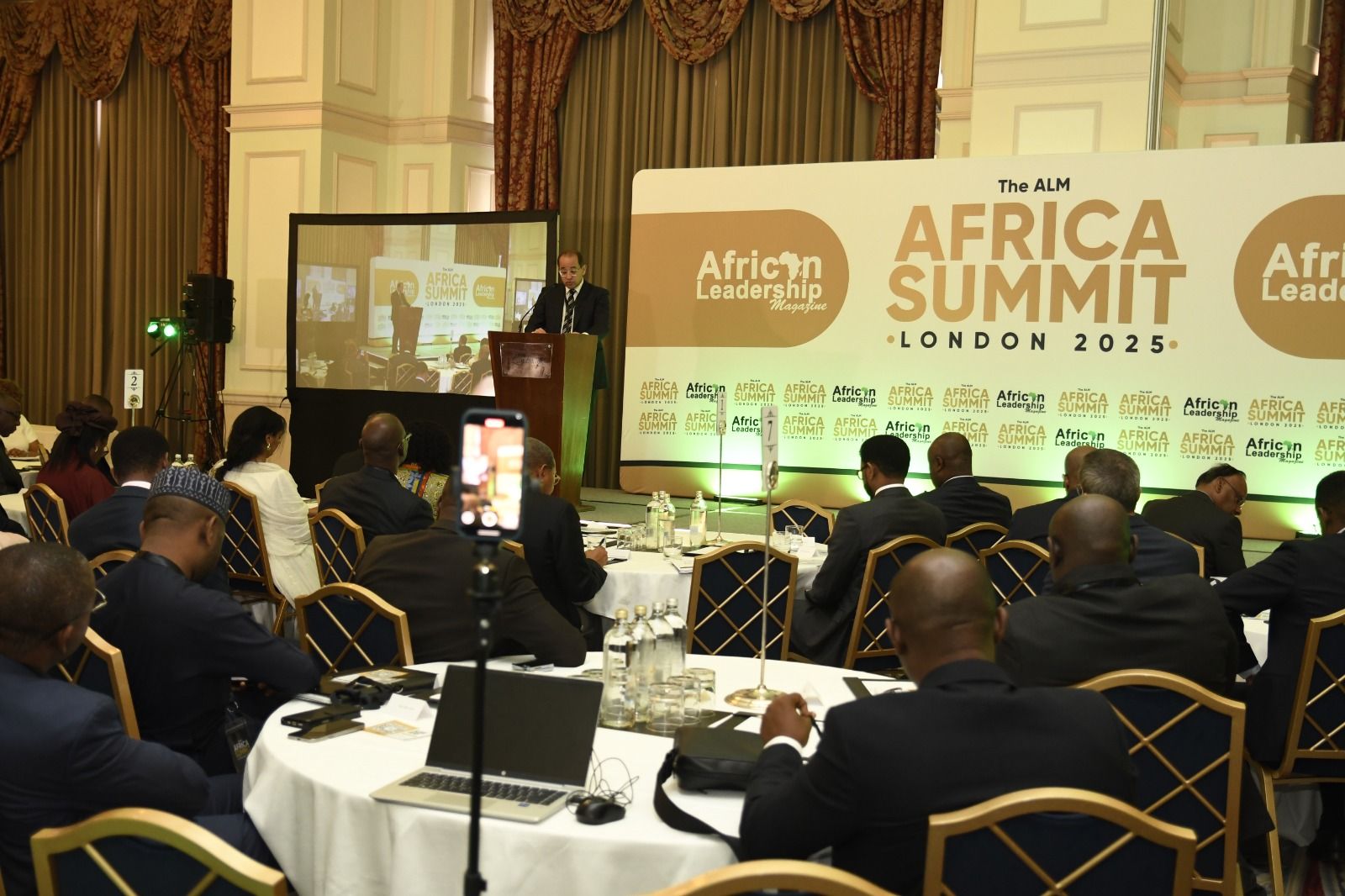
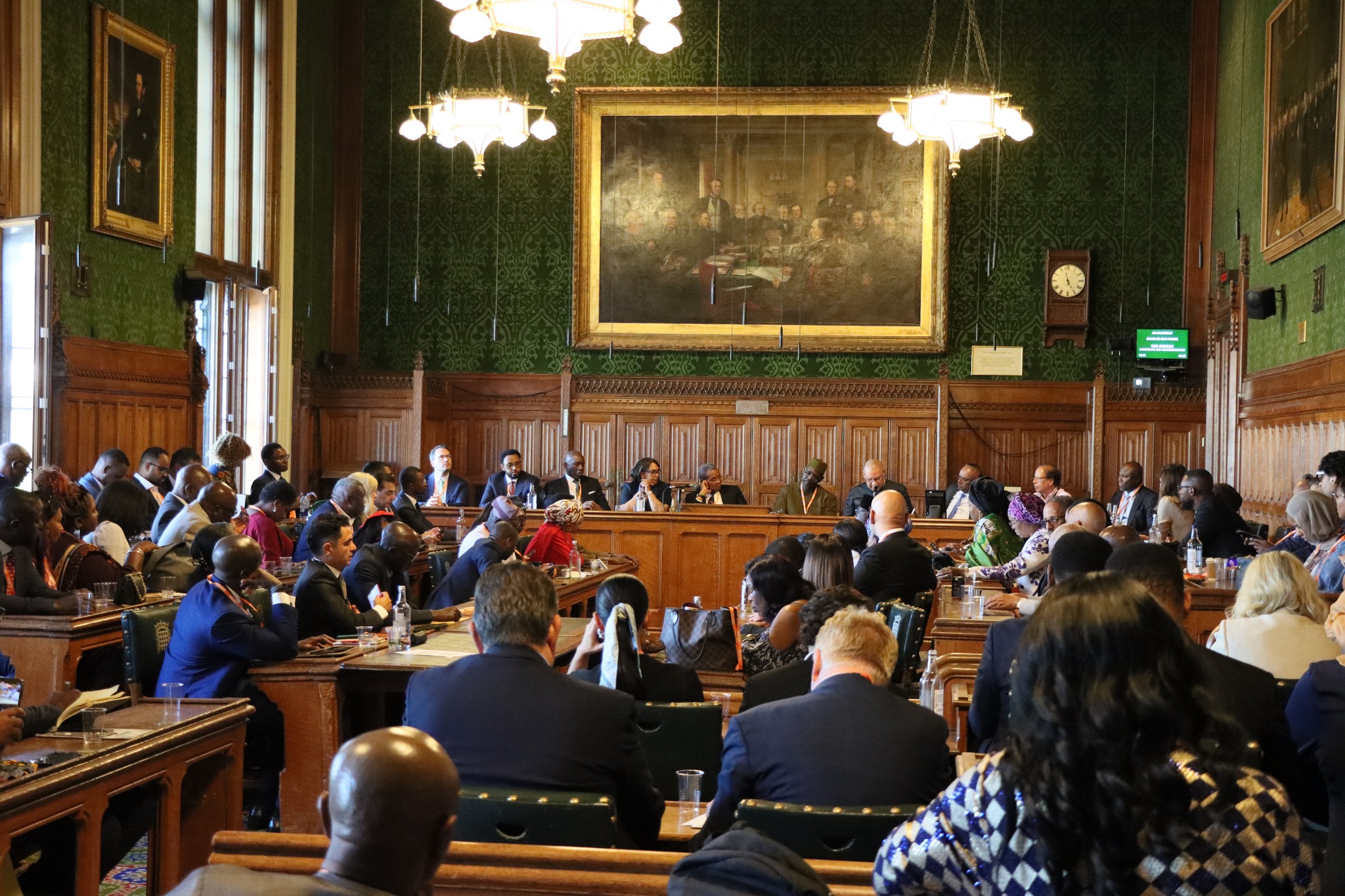
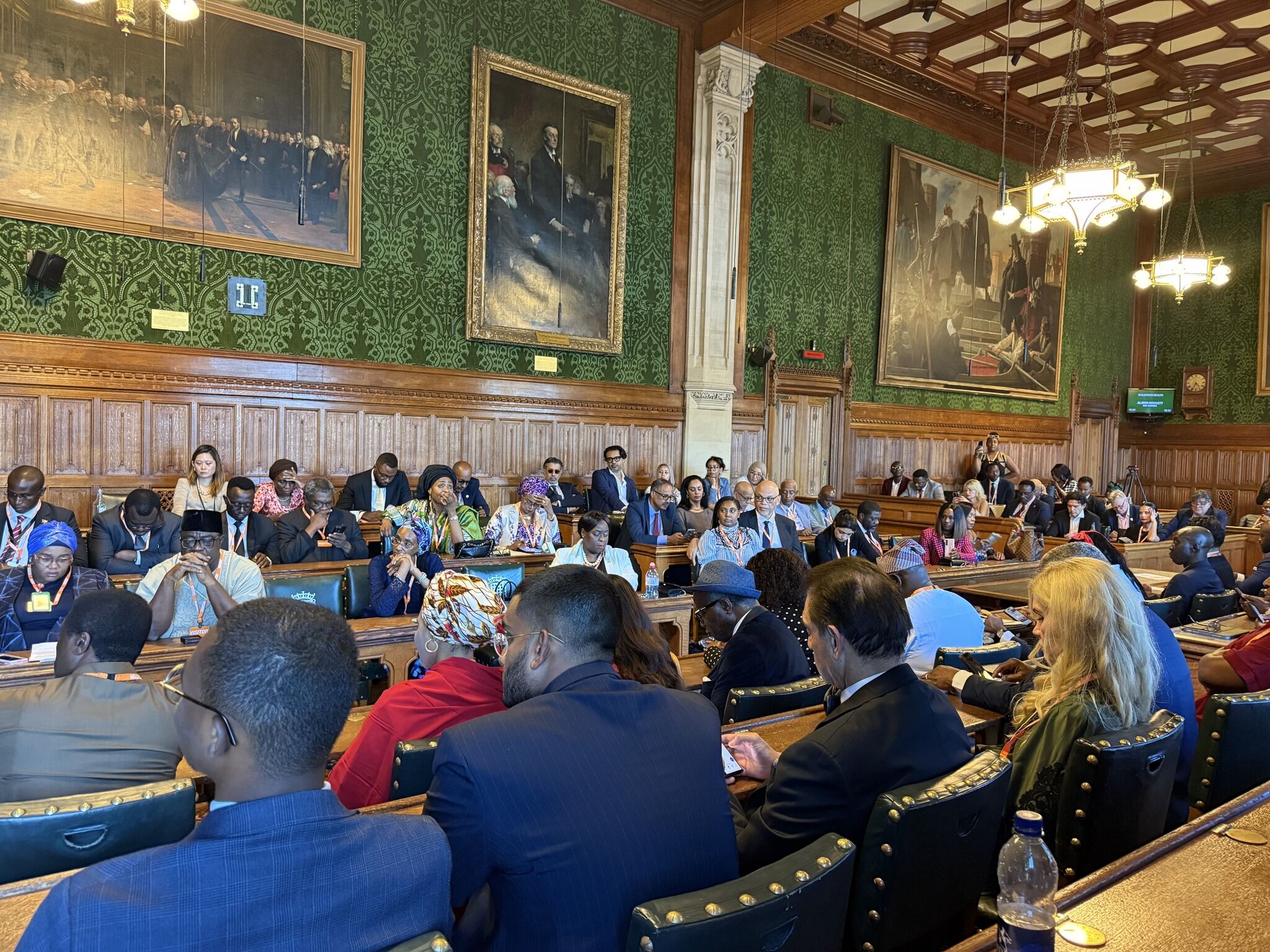
LONDON — On 10 July 2025, inside the historic halls of the British House of Commons, the voice of one of Africa’s most consequential development leaders echoed—not in person, but through a trusted emissary. Dr. Victor Oladokun, Senior Advisor to the President of the African Development Bank Group (AfDB), stood in for Dr. Akinwumi Adesina at the Africa Summit and delivered a stirring message that indicates how Africa must be seen: “Africa is not a problem to solve, but a promise to be fulfilled.”
Speaking before British lawmakers, African political leaders, diplomats, and global influencers, Adesina’s message was clear—Africa does not seek sympathy; it seeks partnership. His vision, forged over ten transformative years at the helm of the continent’s premier development institution, was rooted not in sentiment, but in strategy.
The central theme of the address—“Bridging Partnerships for Development: Africa, the Diaspora, and the Global Community”—served as a blueprint for inclusive and sustainable growth in the decades ahead.
From Aid to Ambition
“Africa does not need charity,” Adesina asserted. “It needs strategic, mutually beneficial investments.” With that, he drew a line between transactional aid and transformative partnership.
Under his leadership, the Africa Investment Forum (AIF) has become a model for investment diplomacy. The platform has secured over USD 225 billion in investment interests, including USD 15 billion for the Lagos–Abidjan Highway and USD 3.2 billion for the East African Standard Gauge Railway corridor.
Gone is the image of Africa holding a begging bowl. In its place stands a continent negotiating on equal terms—determined, data-driven, and dignified.
Diaspora: A Strategic Force
Adesina’s remarks reached beyond policy into poetry. Addressing the African diaspora, he said, “From London to Lagos and New York to Nairobi, the diaspora carries the heartbeat of Africa—its resilience, creativity, and unyielding spirit.”
But this was more than a rhetorical flourish. He called on the diaspora to transcend nostalgic remittances and return with capital, knowledge, and influence. To co-invest. To co-create. To co-lead.
In a global context where African excellence abroad often goes unrecognised, Adesina reframed the diaspora as a strategic force—not an afterthought, but a cornerstone of continental transformation.
Women as Catalysts for Growth
“No bird can fly with one wing,” Adesina observed, spotlighting the long-standing marginalisation of women in Africa’s economic systems. Through AFAWA—the Affirmative Finance Action for Women in Africa—he is addressing a staggering USD 42 billion financing gap that has held back women entrepreneurs.
To date, over USD 2.5 billion has been approved, with USD 1.28 billion disbursed to more than 24,000 women-led businesses. One such success is Dipuo Phakathi, a Johannesburg cabinetmaker who scaled her production line after securing USD 158,000 in AFAWA financing—cutting production time from days to minutes.
“When women thrive, nations and generations are lifted,” Adesina affirmed. For him, gender inclusion is not charity; it’s exponential economic leverage.
Youth and Innovation
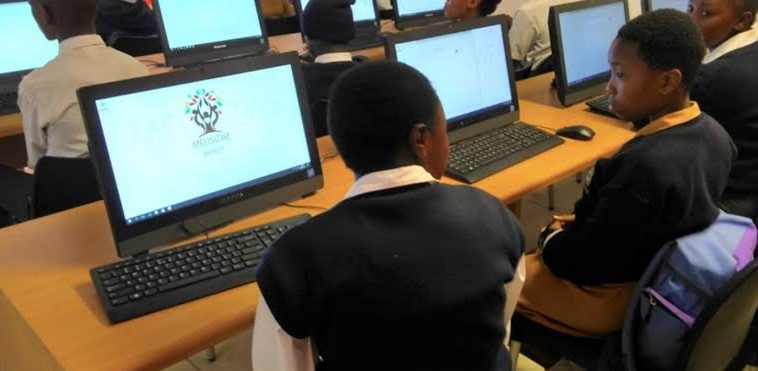
For Africa’s 400 million young people, Adesina is more than a policymaker—he is a platform architect. From launching Youth Entrepreneurship Investment Banks (USD 180 million in funding) to co-chairing a USD 4 billion clean cooking energy initiative with Tanzanian President Samia Suluhu Hassan, his efforts centre on systems that empower youth to lead.
Additionally, Mission 300, a bold plan to connect 300 million people to electricity by 2030, underscores his belief that access to power is access to opportunity.
These aren’t safety nets. They’re scaffolding for a new African century—designed to combat poverty, pollution, and paralysis with innovation and infrastructure.
Beyond the Bank
As Dr. Adesina concludes his second and final term as President of the African Development Bank Group, his departure is both a milestone and a moment of reckoning. In a decade, he has reimagined the role of a development bank—from passive lender to transformative partner.
Yet the demand for his leadership is growing louder. Across capitals and communities—from Kigali to Kingston—Africans are calling for him to continue his mission. As a global envoy for sustainable development, a continental policy strategist, or a voice on the world stage, one truth remains: Africa still needs Adesina.
In an era where populism and protectionism dominate global headlines, Adesina’s vision offers a compelling counter-narrative—one anchored in equity, ingenuity, and shared prosperity.
Perhaps the most enduring message came in the form of a call—not to donors, but to doers.
“The Africa we are creating needs all of us. Not some of us,” said Dr. Adesina. His appeal was not filtered through political correctness. It was defiant, dignified, and direct.
He concluded with a challenge: “Let our imagination and creativity transcend the boundaries of impossibility.” That, he said, is how Africa’s story will no longer be written for it, but by it.
 About the Author
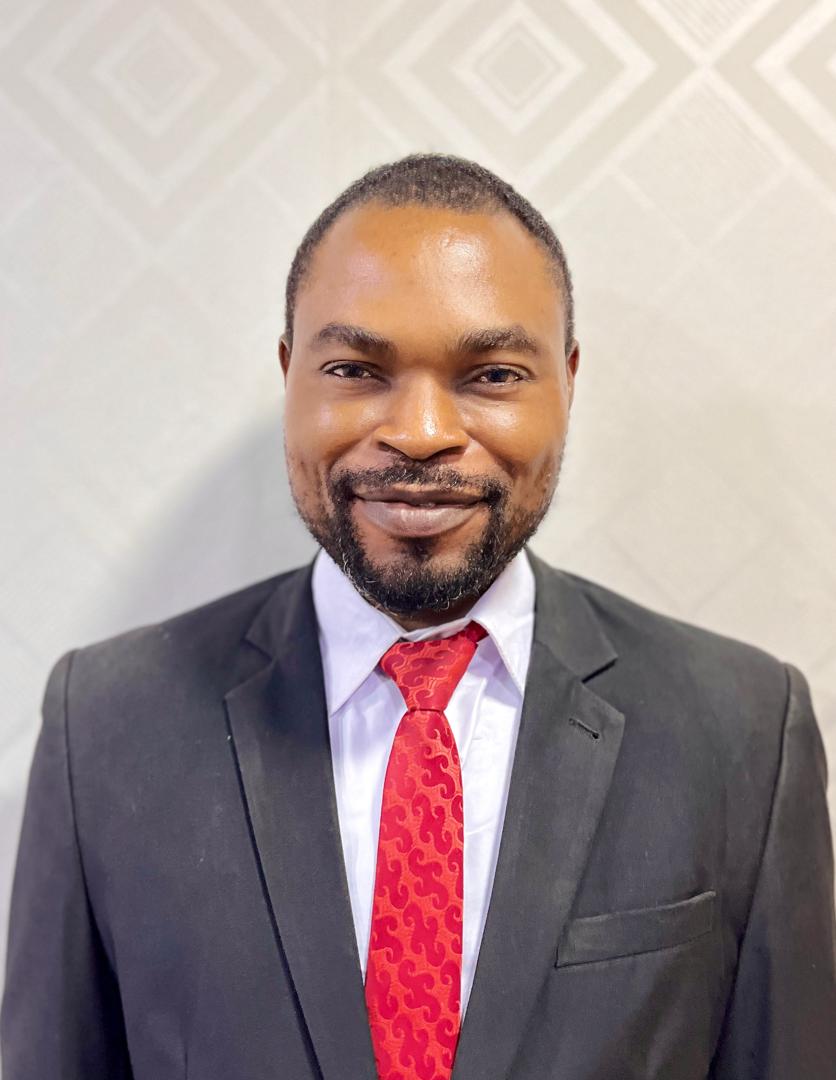
King Richard Igimoh is an award-winning journalist, communications strategist, and public relations expert. He currently serves as Group Editor of the African Leadership Organisation and has over two decades of experience in media and public affairs across Africa and beyond.