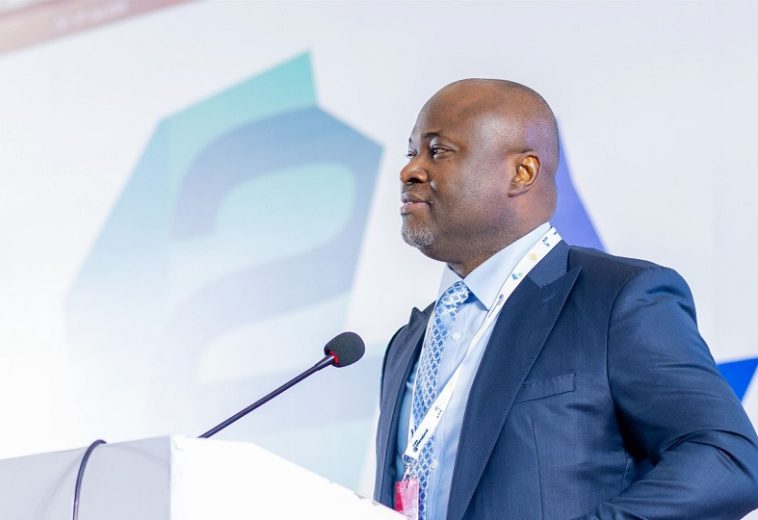
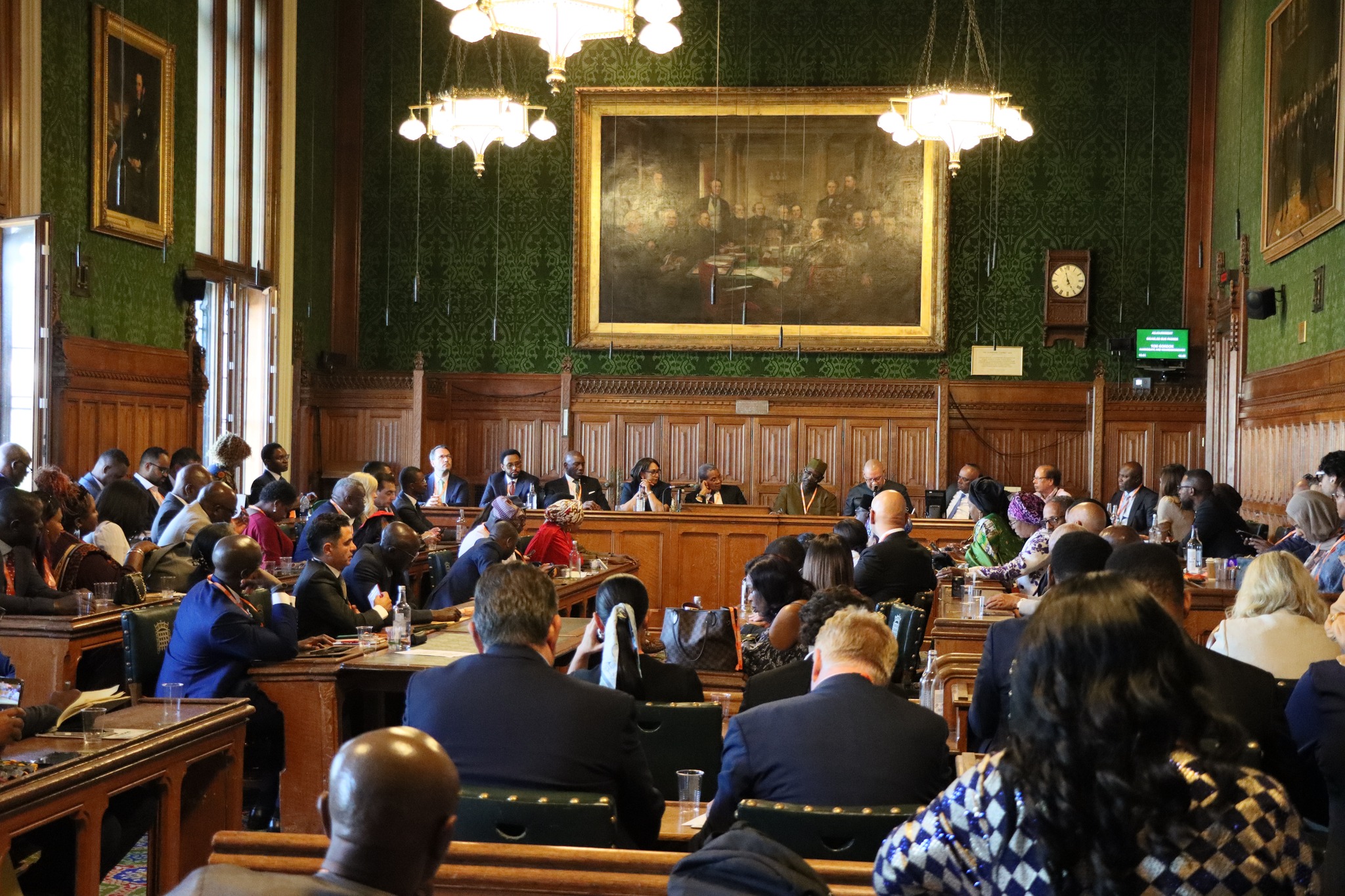
LONDON— In a high-level diplomatic gathering that brought together African ministers, British lawmakers, governors, investors, and business leaders, former Tanzanian President Dr. Jakaya Mrisho Kikwete delivered a stirring keynote at the Africa Summit Roundtable, held inside the historic chambers of the UK House of Lords.
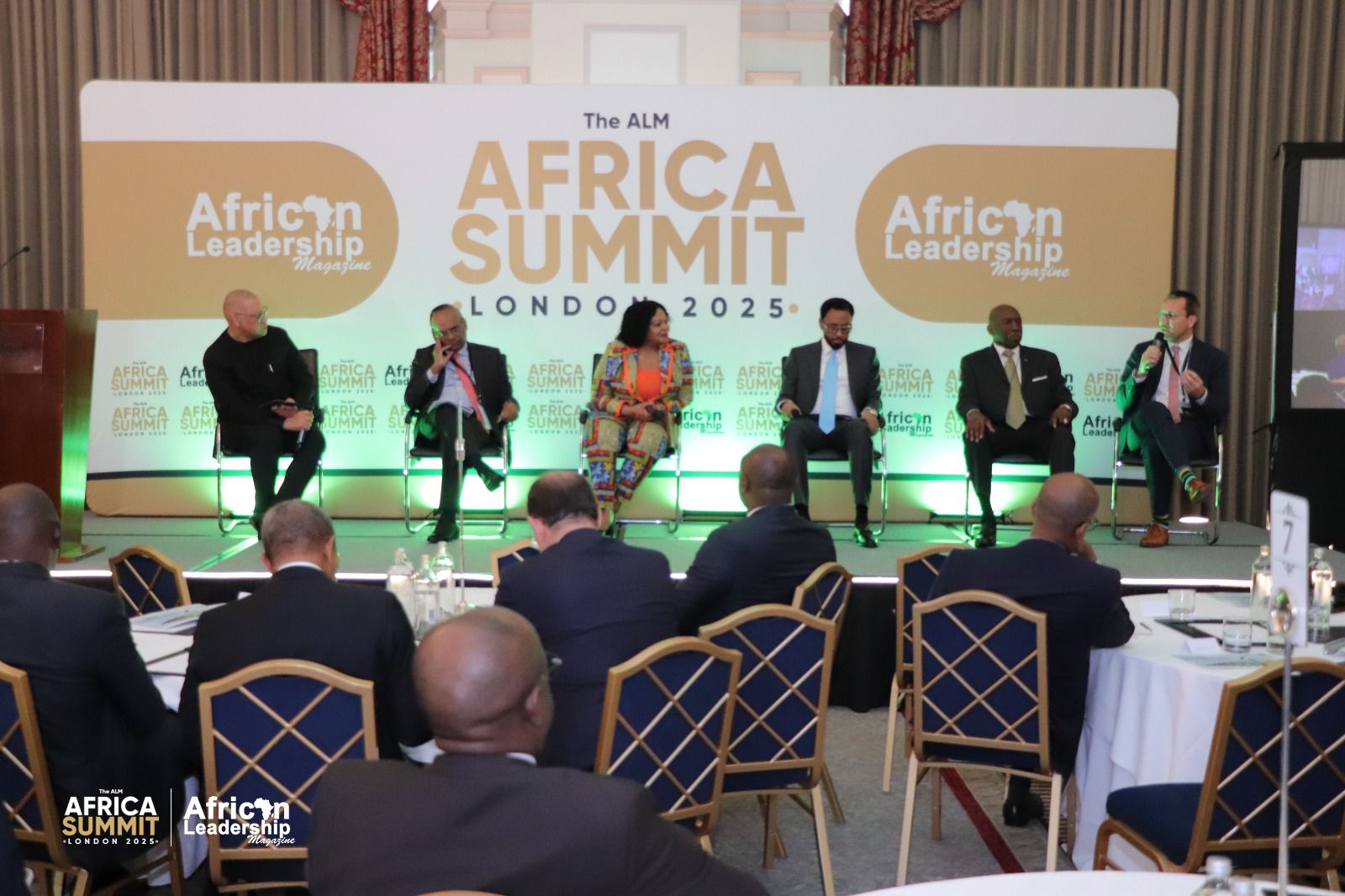
Organised by the African Leadership Organisation (ALO), publishers of African Leadership Magazine, the summit served as a transcontinental dialogue platform aimed at fostering investment, partnerships, and progressive policies to drive Africa’s transformation. At the heart of this year’s deliberations stood Dr. Kikwete, now Chairman of ALO’s Global Advisory Board.
Dressed in a crisp suit and exuding his trademark calm authority, Kikwete addressed the distinguished assembly with clarity and conviction. “It is a great honour to address you this afternoon within these historic chambers of the UK House of Lords,” he began, acknowledging the symbolism and gravity of the venue. “This institution has, for centuries, shaped decisions that have influenced nations far beyond these shores—including many across Africa.”
The former president did not shy away from Africa’s most pressing challenges—an expanding youth population, underfunded infrastructure, institutional fragility, and a global media that often misrepresents the continent’s narrative. Yet, his message was anchored in hope, not despair. He spoke of a continent on the verge of transformation—if it can make the right policy decisions and cultivate strategic partnerships.
“Across our continent—from Dakar to Addis, Windhoek to Nairobi—there is vibrant momentum to harness the promise of our people, our resources, and our markets to build inclusive prosperity,” he said. Referring to UN projections that Africa’s population will hit 2.5 billion by 2050—with more than half under the age of 25—he added, “This demographic story is unique and presents either our greatest opportunity or our gravest challenge.”
To leaders and investors, his message was unmistakable: governance, transparency, and ethical leadership are non-negotiable. “Leadership,” he stressed, “must be anchored in service, integrity, and courage.”
Dr Kikwete was particularly enthusiastic about intra-African trade and economic diversification, spotlighting the African Continental Free Trade Area (AfCFTA) as a transformational vehicle. “To truly realise this potential, we must attract capital at scale, expand trade across our borders, move beyond dependence on raw commodities, and build resilient value chains that create jobs and retain wealth within Africa.”
He also highlighted the rise of Africa’s innovation hubs—from Lagos to Kigali—as a sign of what’s possible when young entrepreneurs are empowered. However, he cautioned that no progress would be sustainable without a long-term commitment to youth development. “With over 60% under 25, Africa is the world’s youngest continent. This is more than a statistic—it is a powerful resource waiting to be unlocked.”
He commended ALO’s Africa Reimagined Fellowship and Youth Leadership Hubs as scalable models but argued that such initiatives must become national priorities. Reaching beyond the continent, he extended a hand of partnership to the UK and global stakeholders, urging them to see Africa not merely as a market, but as a fountain of talent, ideas, and innovation.
A recurring theme in his remarks was the imperative to reframe Africa’s global image. “For too long, stories of fragility have dominated headlines,” he said. “Yet Africa is home to some of the world’s fastest-growing economies, vibrant tech scenes, cultural richness, and unmatched resilience.”
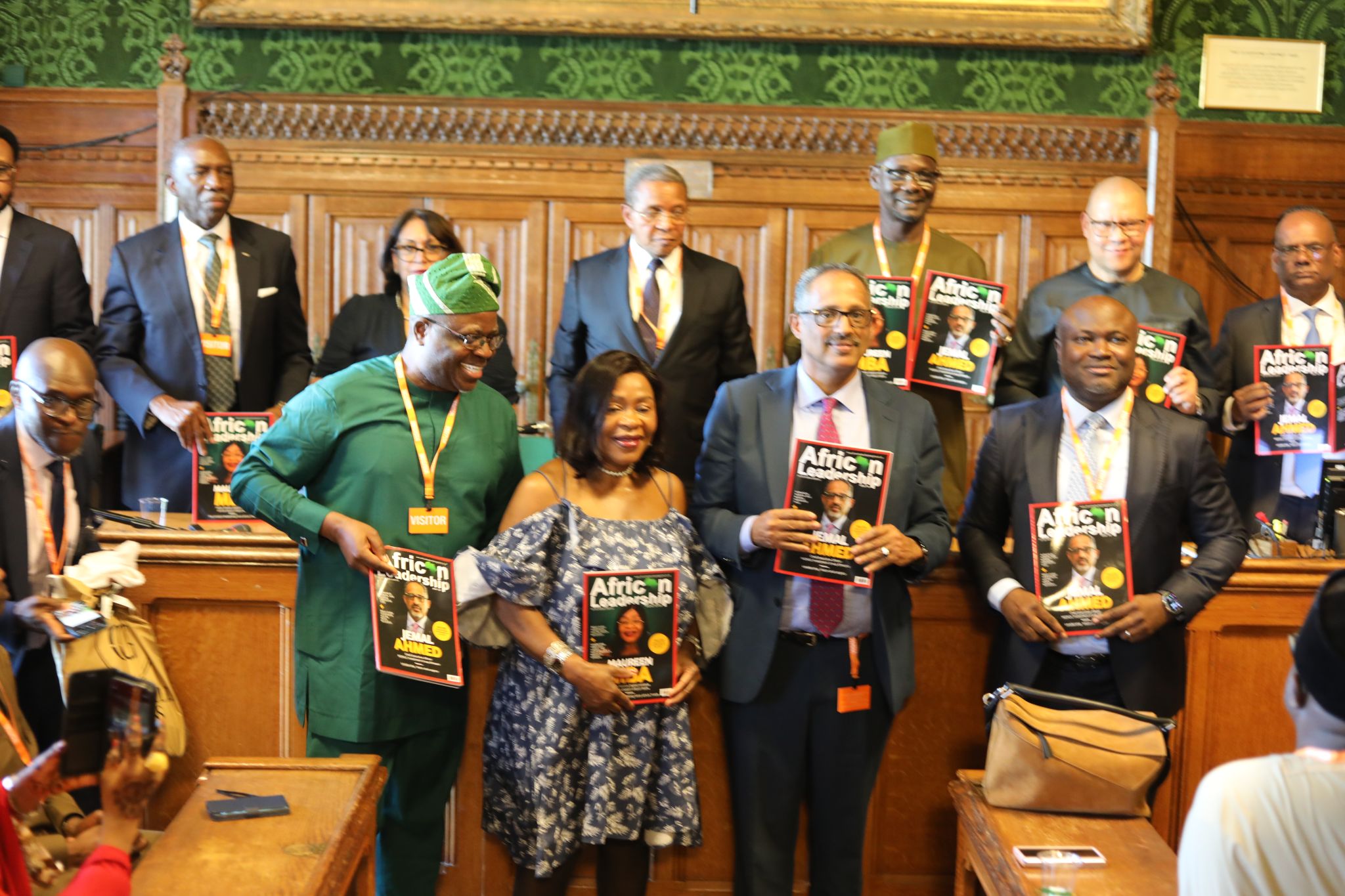
He praised platforms like African Leadership Magazine for reshaping the narrative and showcasing a new, forward-looking Africa—one that is open for business, bold in vision, and committed to reform.
Since leaving office in 2015 after a successful two-term presidency, Dr Kikwete has remained a respected voice in international development, diplomacy, and youth advocacy. He has served on the UN High-Level Panel on Global Response to Health Crises and currently sits on several global boards promoting good governance, peacebuilding, and education.
In his role as Chairman of ALO’s Global Advisory Board, he continues to bridge the divide between public leadership and private innovation, positioning Africa’s leadership within a global context.
Attendees at the summit were united in sentiment: Africa still needs Kikwete’s wisdom. As a respected elder statesman, his enduring influence exemplifies leadership beyond office. His presence was not merely ceremonial—it was a quiet reminder that true leadership transcends tenure.
Closing his address, Dr. Kikwete challenged participants: “Today is not simply for speeches; it is a working roundtable to forge commitments, deepen networks, and shape pathways that bring impact long after we leave these halls.”
And then, with the dignity of a seasoned leader who has navigated both crisis and change, he left the audience with a resonant message:
“Together, with humility, vision, and determination, we can build a peaceful, prosperous, and globally competitive Africa.”
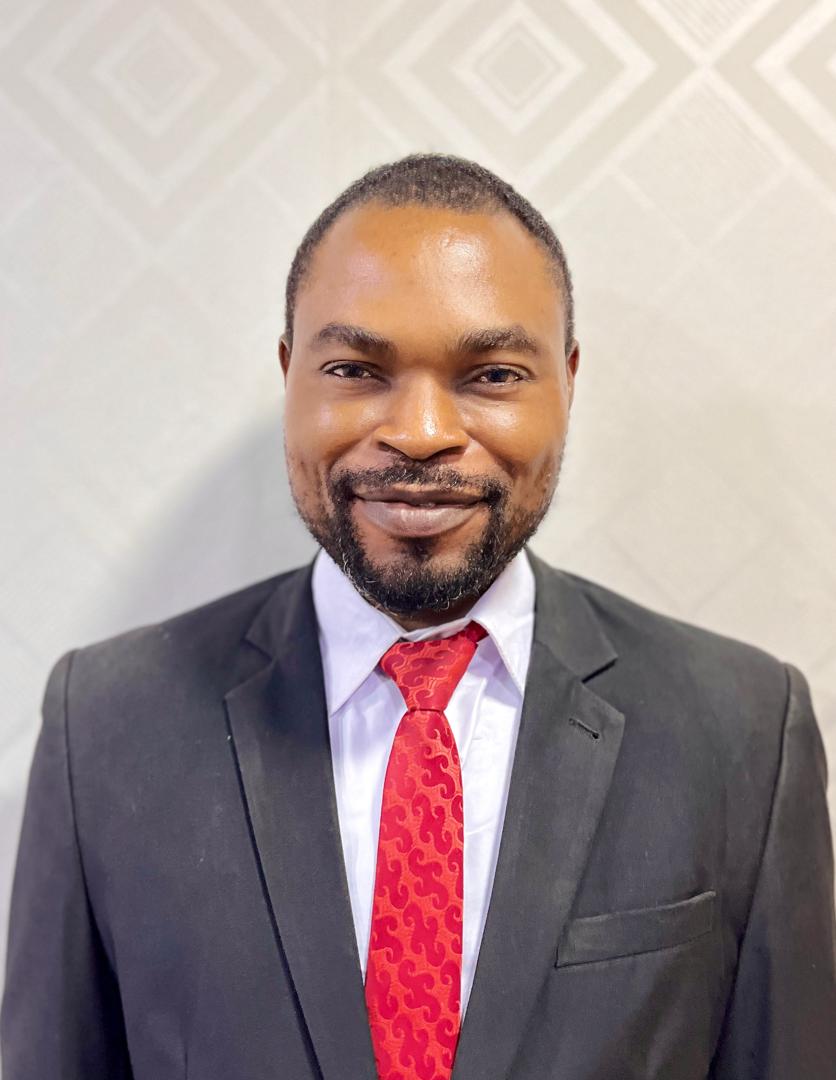
About the Author:
King Richard Igimoh is an award-winning veteran journalist, communications strategist, and public relations expert. He currently serves as Group Editor of the African Leadership Organisation and has over two decades of experience in media and public affairs across Africa and beyond.