Luanda, Angola —
Africa’s mining sector—responsible for nearly 10% of global mineral production and over 15% of the world’s diamonds—is undergoing a strategic transformation. This shift is driven by resource nationalism, evolving ownership structures, and rising global demand for critical minerals. At the centre of this transition is Catoca Mining Society, a flagship operator redefining Angola’s position in the global diamond market while setting new standards for operational scale, investment resilience, and sustainable mining practices.
With Angola firmly ranked among the world’s top five diamond-producing countries, Catoca’s performance has become a cornerstone of the national extractive economy, contributing significantly to export revenues, employment, and foreign exchange inflows.
READ ALSO: Kenya Positions Itself as a Responsible Mining Hub
Strategic Ownership Shift Signals Investor Confidence
A defining moment in Catoca’s recent trajectory came in 2025, when the company executed a major shareholder restructuring. A subsidiary of the Oman Investment Authority acquired the stake previously held by Alrosa—one of the world’s largest diamond producers—marking a notable geopolitical and financial realignment.
This transition elevated Endiama EP, Angola’s state-owned diamond company, to majority ownership alongside Taadeen, reinforcing Luanda’s push for greater sovereign control over strategic mineral assets. Analysts view this development as part of a broader continental trend, with African governments increasingly asserting influence over extractive industries to maximise domestic value retention.
The restructuring also reflects sustained investor confidence in Angola’s mining reforms, particularly following the introduction of improved diamond marketing policies and enhanced transparency frameworks designed to attract long-term capital.
Record Production Strengthens Global Position
Catoca’s operational performance continues to underpin Angola’s rise in the global diamond market. National data indicates that Angola produced approximately 10.7 million carats of diamonds in 2025—its highest output in recent years.
As one of the largest kimberlite diamond mines in the world, Catoca accounts for a substantial share of this production. The mine has historically produced over 100 million carats, with annual output typically ranging between 6 and 7 million carats, depending on market conditions.
This scale positions Catoca among the world’s leading diamond operations, comparable to major mines in Russia, Botswana, and Canada. Beyond production volume, its contribution to export earnings remains significant. Angola’s diamond sector generates billions of dollars annually, making it one of the country’s leading non-oil export sectors and a key driver of economic diversification.
Revenue Growth and Ecosystem Expansion
The broader Angolan diamond ecosystem is also benefiting from increased production and improved market access. Combined revenues from major projects—including Catoca, the Luele Diamond Mine, and Lunhinga—reached approximately US$288 million in the first half of recent reporting cycles, reflecting strong global demand despite market fluctuations.
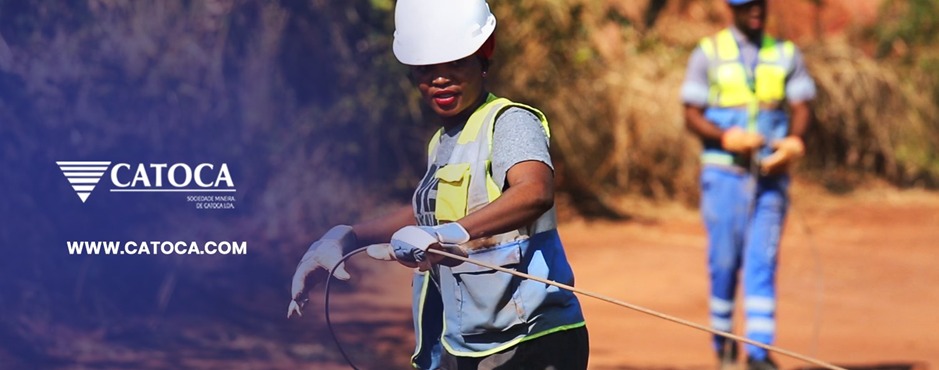
The Luele project, discovered within the Luaxe kimberlite field, is emerging as a transformative asset. Widely regarded as one of the most significant diamond discoveries in decades, Luele is estimated to hold hundreds of millions of carats in reserves. Catoca’s technical and operational involvement highlights its strategic role in scaling Angola’s future production capacity.
If fully developed, Luele could position Angola to rival established leaders such as Botswana, where diamonds account for up to 30% of GDP and more than 70% of export earnings.
Global Partnerships and Value Chain Integration
Catoca’s influence extends beyond extraction into the global diamond value chain. In 2025, the company hosted high-level delegations from leading jewellery and gem-processing firms in India and the United States—two of the world’s most important diamond markets.
These engagements are strategically significant. India processes over 90% of the world’s rough diamonds, while the United States remains the largest consumer market for polished stones. By strengthening ties with these markets, Catoca is positioning Angola to capture greater value across the supply chain, moving beyond raw exports toward beneficiation and downstream processing.
Sustainability, Employment, and Community Impact
As global scrutiny intensifies around environmental, social, and governance (ESG) standards, Catoca has increasingly aligned its operations with responsible mining practices. The company remains one of the largest employers in Angola’s mining sector, supporting thousands of direct and indirect jobs, particularly in Lunda Sul Province.
Its investments in infrastructure, healthcare, education, and local enterprise development are central to ensuring that resource extraction delivers tangible socio-economic benefits. This approach aligns with global best practices, where community impact is now a key measure of operational success.
A Strategic Pillar in Africa’s Mining Evolution
Established over three decades ago, Catoca Mining Society has evolved into a cornerstone of Angola’s extractive industry. As global demand for natural resources continues to grow—driven by industrial expansion, technological advancement, and shifting supply chains—companies like Catoca are redefining how Africa’s resources are developed, managed, and monetised.
With strong production fundamentals, strategic international partnerships, and a growing commitment to sustainability, Catoca is not only reinforcing Angola’s position in the global diamond market but also helping to shape the future of Africa’s mining industry.