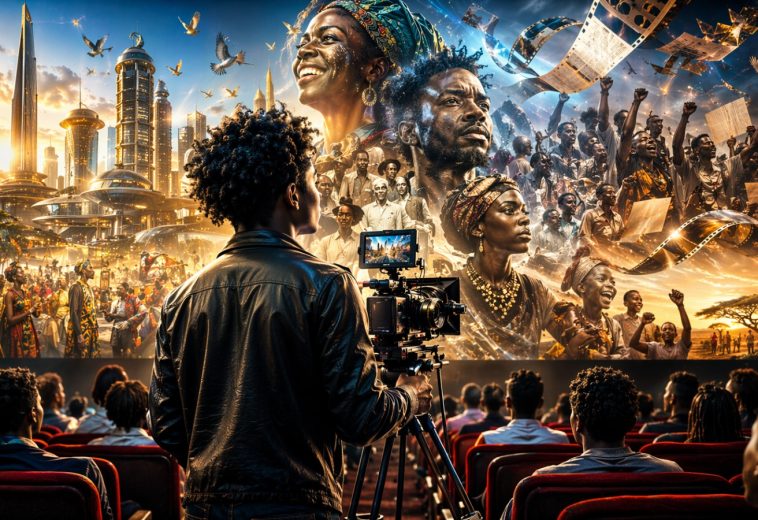
Thirty-two years after the 1994 Genocide against the Tutsi, Rwanda stands as one of the most compelling examples of national recovery and transformation in modern history. Once defined by profound tragedy, the nation has deliberately reshaped its identity through resilience, visionary leadership, and an unwavering commitment to unity. Today, Rwanda is widely recognised as a beacon of stability, innovation, and disciplined governance across Africa.
At the heart of Rwanda’s progress lies a powerful national philosophy captured in the theme “Remember – Unite – Renew.” This guiding principle reflects a clear understanding: sustainable development must be anchored in collective memory, social cohesion, and forward-looking leadership. Rather than allowing the past to deepen divisions, Rwanda has chosen to confront its history with openness—using remembrance as a tool for healing and nation-building.
READ ALSO: Rwanda and Tanzania Set the Pace for Innovation and Education in Africa
One of the most significant expressions of this commitment is the annual commemoration known as Kwibuka, observed every April 7. Marking its 32nd edition, Kwibuka 32 honours the victims of the genocide while reinforcing a national pledge to reject division, hatred, and violence. Beyond remembrance, it serves as a platform for education, dialogue, and intergenerational reflection, ensuring that the lessons of history remain deeply embedded in the national consciousness. Rwanda’s approach demonstrates that remembrance—when purposefully guided—can strengthen unity rather than reopen wounds.
Rwanda’s transformation has been significantly shaped by purposeful leadership, particularly under Paul Kagame. Since assuming office, Kagame has championed policies centred on reconciliation, institutional reform, and inclusive development. His administration has prioritised security, anti-corruption measures, and efficient public service delivery, creating an environment conducive to growth and investment. While his leadership style continues to attract both praise and criticism internationally, its role in stabilising the nation and advancing long-term development is widely acknowledged.
Economically, Rwanda has made notable progress. Once heavily reliant on subsistence agriculture, the country is steadily diversifying into sectors such as technology, tourism, and services. The capital, Kigali, has become a symbol of this transformation—renowned for its cleanliness, orderliness, and ambition to evolve into a regional innovation hub. Initiatives such as Kigali Innovation City aim to position Rwanda as a centre for digital entrepreneurship and knowledge-based industries, attracting investors and young talent from across Africa and beyond.
Equally significant is Rwanda’s advancement in social development. The country has recorded substantial improvements in healthcare delivery, access to education, and gender equality. It consistently ranks among the top nations globally for women’s representation in parliament, reflecting deliberate policies aimed at inclusivity and empowerment. These achievements underscore a broader recognition that human capital development is central to sustainable growth.
Rwanda’s experience also carries wider implications for Africa and the global community. In an era marked by increasing polarisation and the spread of misinformation, the country’s emphasis on unity and responsible governance offers valuable lessons. It highlights the importance of addressing hate speech, preventing extremist ideologies, and fostering inclusive national identities. Rwanda’s journey reinforces a critical truth: peace is not merely the absence of conflict, but the presence of justice, accountability, and shared purpose.
A comparative perspective with neighbouring Uganda further enriches this narrative. Uganda is renowned for its cultural diversity, with over 50 ethnic groups and historic kingdoms such as the Buganda Kingdom, the Bunyoro Kingdom, and the Tooro Kingdom. Landmarks like the Kasubi Tombs reflect its rich heritage. Under Yoweri Museveni, Uganda has pursued economic recovery and national cohesion, though challenges such as poverty and governance concerns persist. Together, Rwanda and Uganda illustrate the diversity of African development pathways—each shaped by distinct historical, cultural, and political contexts.
Rwanda’s ambitions remain firmly grounded in long-term strategic planning. Through its Vision 2050 framework, the country aims to transition into a high-income economy driven by innovation, sustainability, and strong institutions. Investments in infrastructure, green energy, and urban development are already laying the groundwork for this future. Initiatives such as the Rwanda Green Fund reflect a commitment to balancing economic growth with environmental sustainability, ensuring that progress does not come at the expense of future generations.
In conclusion, Rwanda at 32 represents more than a milestone—it is a powerful testament to the possibilities of intentional leadership and collective resolve. By embracing memory, fostering unity, and pursuing renewal with clarity and purpose, Rwanda has transformed a painful past into a foundation for progress. Its story stands not only as an African success narrative but also as a global lesson in resilience, responsibility, and the enduring power of human determination.