Before dawn breaks in Abidjan, trucks loaded with agricultural products, manufactured goods, and consumer items begin moving along highways that connect Côte d’Ivoire to markets across West Africa. At the Port of Abidjan, ships arrive carrying cargo destined not only for Ivorian consumers but also for businesses and communities across the region. These daily movements reflect a broader transformation that is reshaping both Côte d’Ivoire and the wider West African economy.
Over the past decade, Côte d’Ivoire has emerged as one of Africa’s most dynamic growth stories. At the heart of this progress is an ambitious infrastructure agenda that has focused on modernising transportation networks, expanding energy capacity, improving urban mobility, and strengthening industrial development. Through sustained investment in strategic projects, the country is positioning itself as a critical gateway for trade, investment, and economic integration across West Africa.
READ ALSO: Building Regional Prosperity: The Strategic Impact of the Abidjan-Lagos Highway
Recognising that modern infrastructure is essential for competitiveness, the government has made roads, ports, bridges, railways, and energy systems central to its development strategy. These investments are helping reduce logistical bottlenecks, lower transportation costs, improve productivity, and create the conditions necessary for long-term economic expansion.
One of the most visible outcomes of this strategy has been the transformation of the country’s transportation network. New highways and regional road corridors have significantly improved connectivity between major economic centres and neighbouring countries. These routes play a vital role in facilitating trade and ensuring the efficient movement of goods throughout the region.
Their importance extends beyond Côte d’Ivoire’s borders. Several landlocked West African countries depend heavily on Ivorian transport infrastructure to access international markets. Improved road networks, therefore, contribute not only to national growth but also to regional economic integration and trade efficiency.
The Port of Abidjan remains one of the country’s most valuable economic assets and one of West Africa’s most important commercial gateways. Extensive modernisation and expansion efforts have increased cargo-handling capacity, enhanced operational efficiency, and improved the port’s ability to accommodate growing trade volumes.
As global supply chains continue to evolve and intra-African trade expands, the port’s strategic importance is becoming even more pronounced. By facilitating the movement of goods between Africa and international markets, the facility serves as a crucial link in regional and global commerce.
Urban development has also become a defining feature of Côte d’Ivoire’s infrastructure transformation. In Abidjan, major bridge projects, road expansions, and improvements to public transportation systems are helping to address congestion challenges while improving mobility for businesses and residents.
These projects are delivering economic benefits beyond convenience. Reduced travel times improve productivity, support commercial activity, and enhance the quality of life for millions of people living and working in one of Africa’s fastest-growing metropolitan areas.
Energy infrastructure represents another critical pillar of the country’s development strategy. Reliable electricity is essential for industrial growth, technological innovation, and the expansion of modern services. Recognising this reality, Côte d’Ivoire has invested heavily in electricity generation and transmission networks to meet growing demand.
These efforts have positioned the country among the leading electricity producers in West Africa. Increased energy availability is supporting manufacturing operations, encouraging investment, and helping businesses operate more efficiently across multiple sectors.
The impact of infrastructure development is particularly evident in industrial expansion. Improved transport links, reliable power supplies, and enhanced logistics systems are making it easier for businesses to source raw materials, access markets, and export finished products.
As a result, industrial zones and special economic areas are attracting growing interest from both domestic and international investors. These locations provide businesses with the infrastructure and operational efficiency needed to compete in regional and global markets.
Agriculture, a cornerstone of Côte d’Ivoire’s economy, is also benefiting significantly from improved infrastructure. Better roads and transport systems allow farmers to move products more efficiently from rural communities to processing centres, distribution hubs, and export terminals.
This improved connectivity reduces post-harvest losses, lowers transportation costs, and increases profitability for producers. It also encourages greater investment in value-added agricultural industries, enabling the country to capture more economic value from its agricultural output.
The construction boom itself has become an important source of employment and economic activity. Large-scale infrastructure projects create opportunities for engineers, technicians, contractors, construction workers, and service providers. They also stimulate demand for local materials and support the growth of related industries throughout the economy.
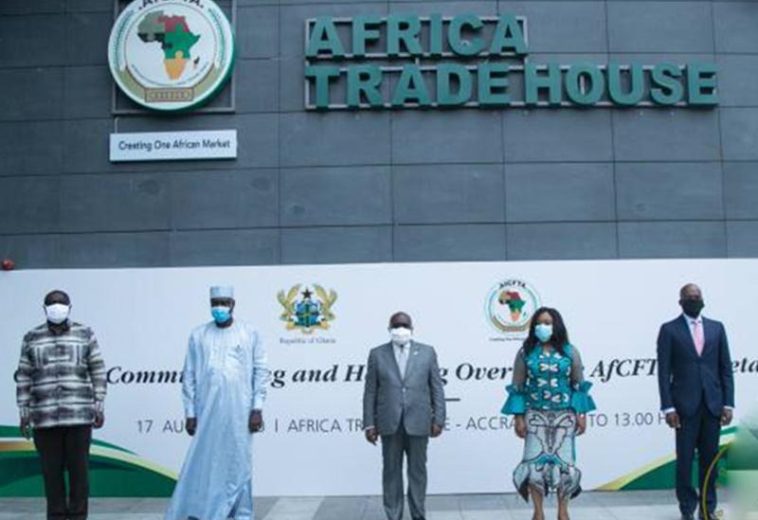
Beyond national development goals, Côte d’Ivoire’s infrastructure expansion aligns closely with the ambitions of the African Continental Free Trade Area (AfCFTA). As trade barriers gradually decline across Africa, countries with efficient logistics systems and strong transport networks are likely to gain a significant competitive advantage.
Côte d’Ivoire’s strategic location, combined with its growing infrastructure capacity, positions it to become one of the leading hubs for regional trade, manufacturing, and investment. The country is increasingly serving as a bridge between local markets, regional value chains, and global commerce.
International investors have responded positively to this progress. Continued improvements in infrastructure, governance, and the business environment have strengthened confidence in Côte d’Ivoire’s long-term economic prospects. Foreign direct investment continues to support new projects, industrial expansion, and efforts to diversify the economy beyond traditional sectors.
As West Africa pursues deeper economic integration and industrialisation, Côte d’Ivoire’s infrastructure revolution is creating a foundation for sustained growth. Modern highways, efficient ports, reliable energy systems, and expanding industrial capacity are strengthening the country’s competitiveness while generating benefits that extend far beyond its borders.
The transformation underway demonstrates a simple but powerful lesson: infrastructure is not merely about concrete, steel, and construction. It is about creating connections, unlocking opportunities, and enabling economic activity on a scale that can transform nations and regions.
Today, Côte d’Ivoire stands as one of the clearest examples of how strategic infrastructure investment can accelerate development. As the country continues to expand its networks and strengthen its role as a regional hub, it is helping shape a more connected, competitive, and prosperous future for West Africa.