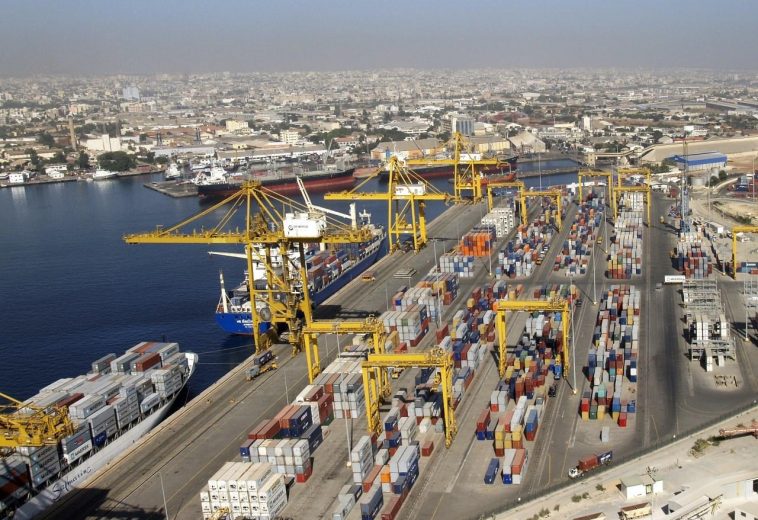
Africa is no longer just planning transformative infrastructure projects. It is building them. Across the continent, governments are investing in energy, transport and logistics networks that are connecting markets, reducing trade barriers and strengthening economic resilience. These investments are laying the foundations for a more integrated Africa that can compete more effectively in global trade while accelerating industrial growth at home.
One of the continent’s most ambitious projects is the US$25 billion Nigeria-Morocco Gas Pipeline. Stretching approximately 6,900 kilometres, the pipeline will connect West Africa’s gas reserves to European markets while supplying participating countries with natural gas for domestic power generation. With the first phase expected by 2031 and full completion targeted for 2046, the project is designed to improve energy security as much as it is to expand exports.
READ ALSO: The Digital Backbone: Broadband, 5G, Smart Infrastructures Transforming Africa
Nigeria is also advancing major gas infrastructure projects valued at more than US$30 billion, including the Atlantic Gas Pipeline, as part of a broader strategy to commercialise its natural gas resources and diversify export markets. Together with Morocco, the country is positioning itself as a key player in global energy supply while supporting industrial development across the region.
The continent’s infrastructure transformation extends far beyond energy. Tanzania’s Standard Gauge Railway is creating faster trade links between the Port of Dar es Salaam and neighbouring countries, including Rwanda, Uganda, Burundi and the Democratic Republic of Congo. By reducing transport costs and transit times, the railway will strengthen regional supply chains and support the objectives of the African Continental Free Trade Area (AfCFTA).
Elsewhere, Ethiopia’s Grand Ethiopian Renaissance Dam is reshaping regional electricity markets by supplying affordable renewable energy to neighbouring countries. Morocco, meanwhile, has demonstrated how strategic investment in ports, industrial zones and export infrastructure can drive manufacturing growth and strengthen international competitiveness.
These projects address one of Africa’s biggest economic constraints: the high cost of moving goods, people and energy across borders. According to the World Bank, trade costs across Africa remain significantly higher than in many other developing regions. Modern transport networks, reliable power supplies and improved logistics can reduce these costs, making African businesses more competitive while encouraging regional trade and investment.
Reliable infrastructure also creates the conditions for industrialisation. Greater access to electricity supports manufacturing, agro-processing and digital industries, while improved transport links make it easier for businesses to source raw materials and reach new markets. Countries such as Nigeria and Morocco are also exploring joint fertiliser production, using regional gas resources to strengthen agricultural productivity and improve food security.
As these investments gather pace, Africa is becoming less vulnerable to external supply chain disruptions and commodity price shocks. Better regional connectivity encourages intra-African trade, strengthens local value chains and attracts long-term investment from Europe, Asia, the Middle East and North America. It also gives African countries greater influence in global trade and energy markets.
Several countries are already demonstrating what is possible. Morocco has developed into one of Africa’s leading manufacturing centres, while Ethiopia and Kenya continue expanding industrial production through sustained investment in infrastructure. These examples show how modern transport, energy and logistics systems can help economies move beyond exporting raw materials towards higher-value manufacturing and processing.
Challenges remain significant. Financing requirements for large-scale projects run into tens of billions of dollars, while political instability and security risks in parts of West and Central Africa continue to threaten critical infrastructure. Environmental concerns and evolving global climate policies also require governments to balance economic development with long-term sustainability.
Even so, the direction is clear. Major infrastructure investments are creating the physical foundation for a more connected and competitive continent. As transport corridors, power networks and logistics systems continue to expand, Africa is strengthening regional integration, boosting industrialisation and positioning itself as a more influential player in global trade. What was once viewed as a long-term vision is steadily becoming an economic reality.