I walked into the Abuja Continental Hotel on 30 July 2026 and immediately felt that this wasn’t going to be an ordinary conference. The room was filled with presidents, prime ministers, governors, diplomats, business leaders, military officers, academics and development experts from across Africa and beyond. Everyone had come with the same purpose: to find practical ways to build a stronger Africa through better leadership, stronger institutions and expanded trade.
The Breaking Barriers to Trade & Leadership Summit, organised by the African Leadership Organisation (ALO) in partnership with the Global Influence Club, centred on the theme, “Designing Africa’s Next Chapter: Reimagining Trade, Influence and Institutional Legacy on the Continent.” Throughout the day, one message came through clearly. Africa already has the talent, resources and ambition to succeed. What it needs is leadership that delivers, institutions people can trust and partnerships that create real opportunities.
The summit was hosted by Dr. Ken Giami, Founder and Chief Executive Officer of the African Leadership Organisation, alongside Baroness Sandy Verma, a member of the United Kingdom House of Lords and a long-standing advocate for international trade and women’s economic empowerment.
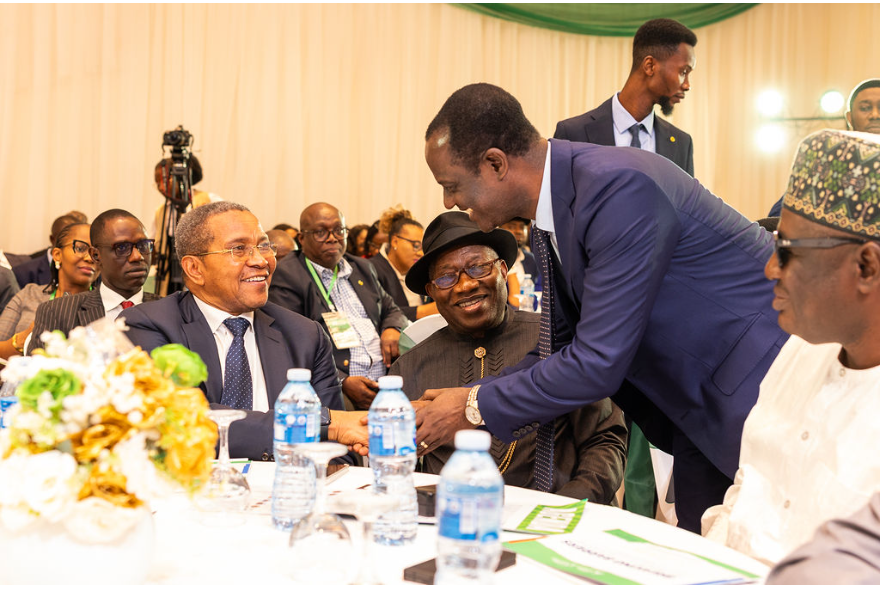
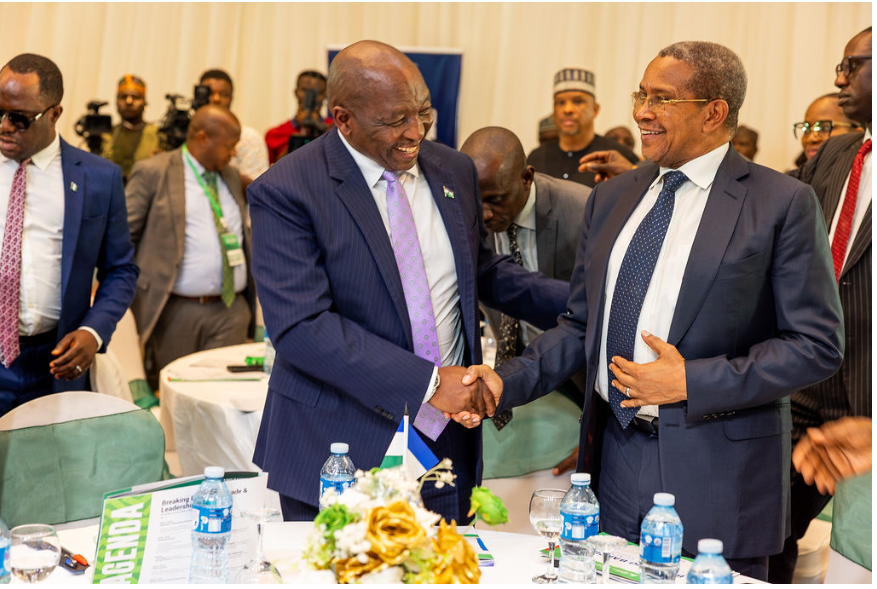
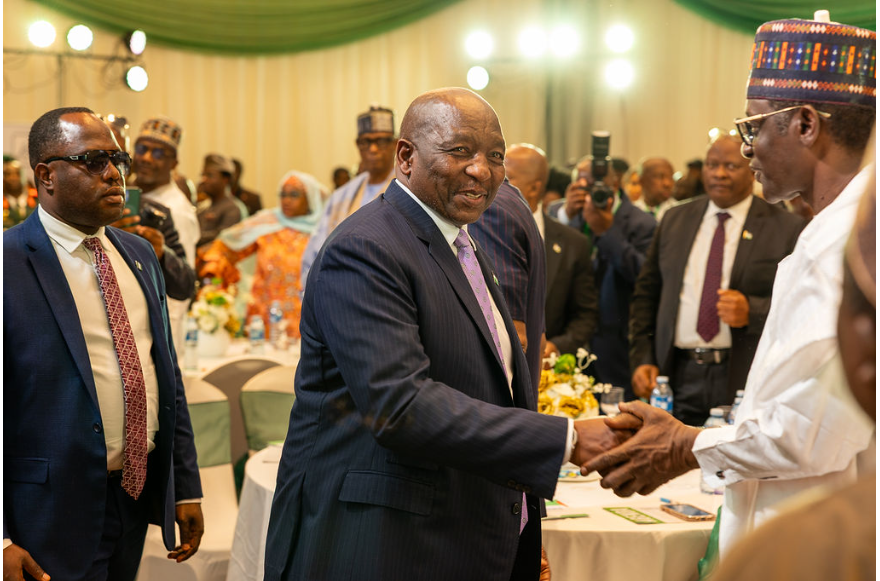
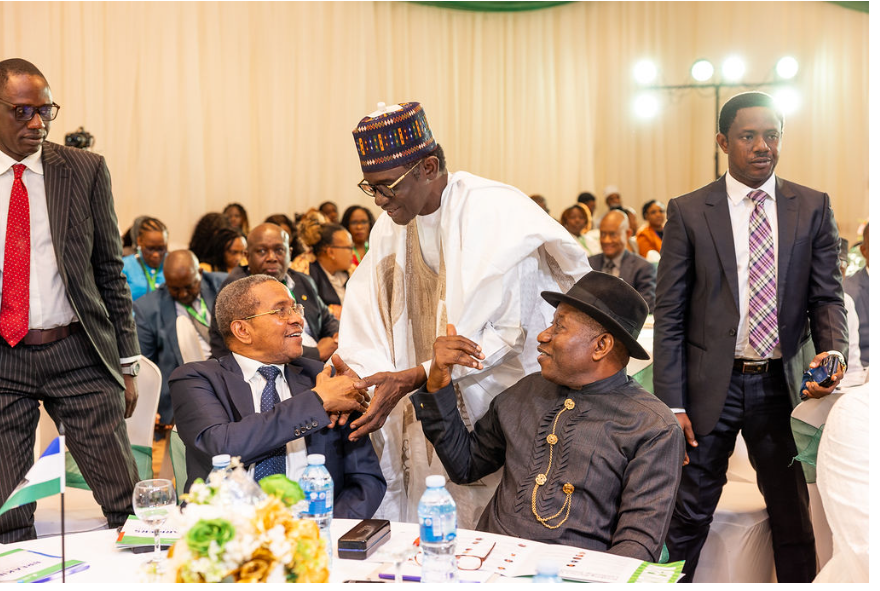
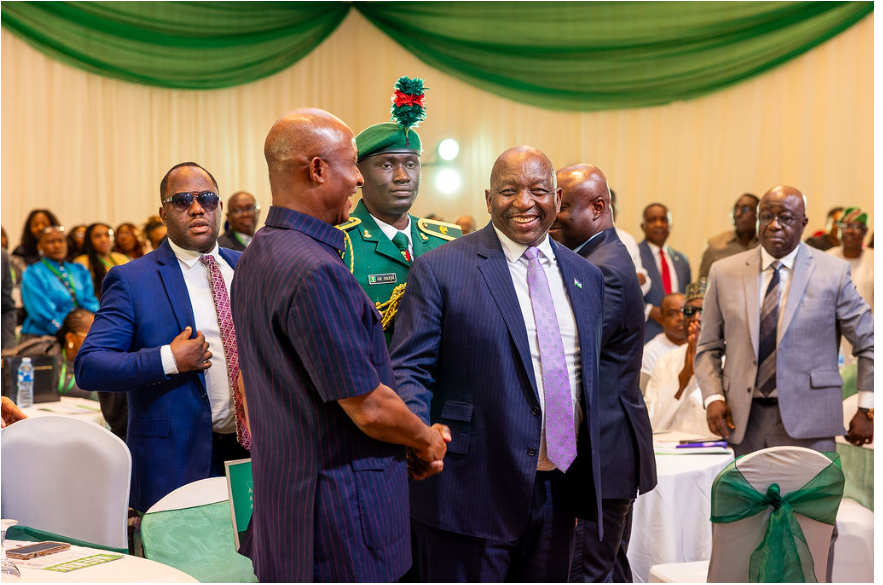
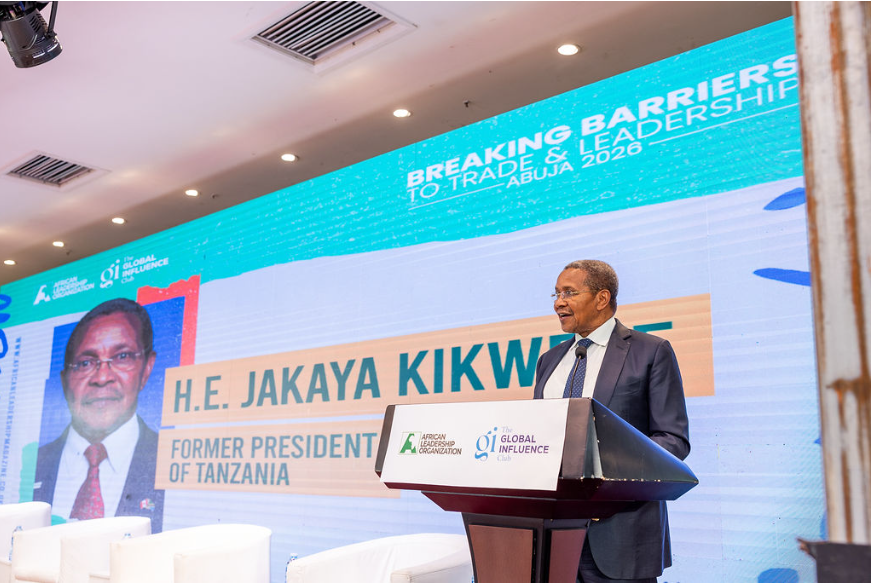
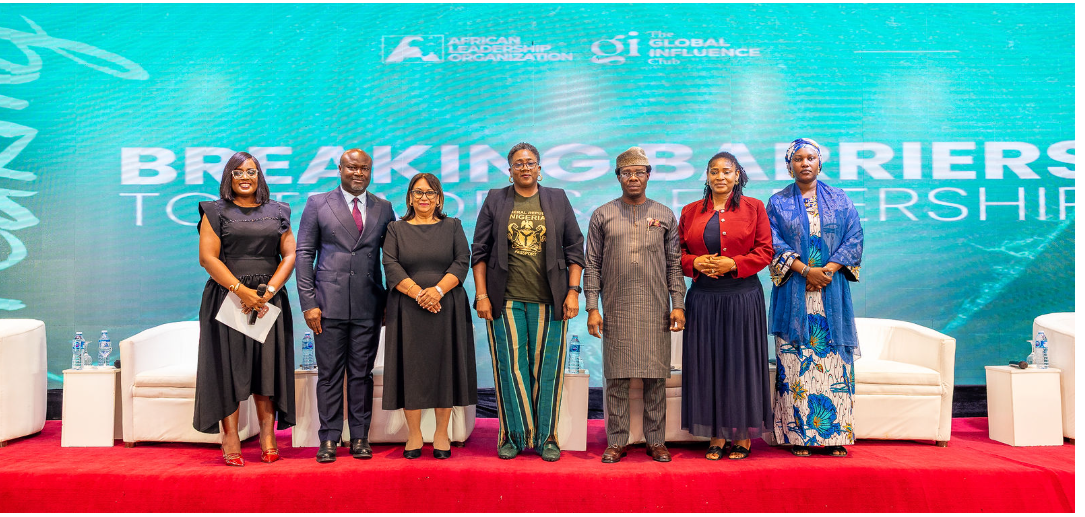
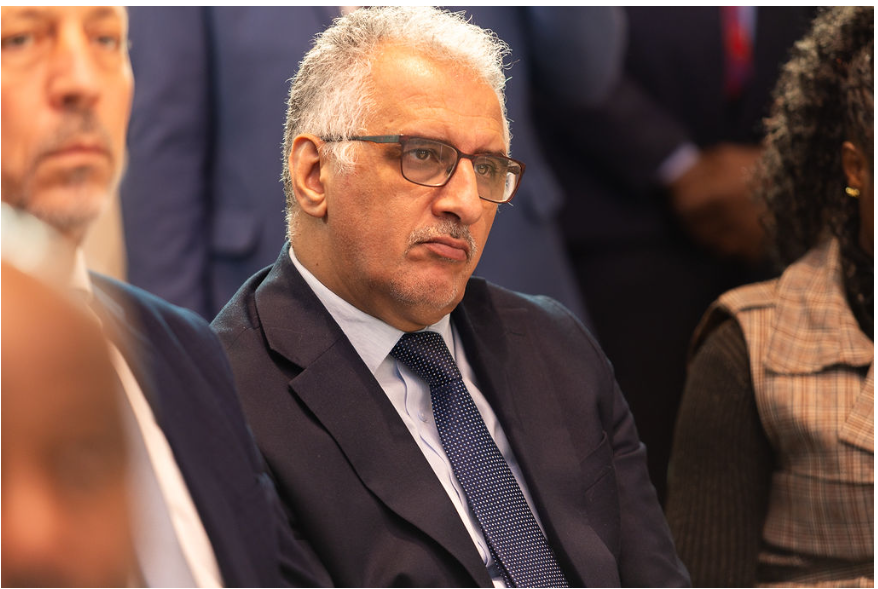
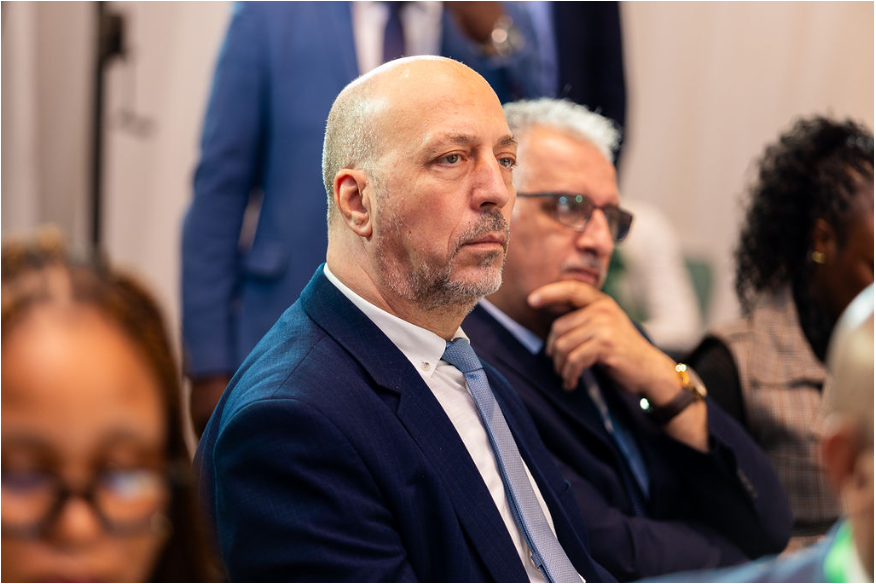
Among the distinguished participants were former Tanzanian President H.E. Jakaya Mrisho Kikwete, who chairs ALO’s Global Advisory Board; H.E. Samuel Matekane, Prime Minister of the Kingdom of Lesotho; former Liberian Vice President H.E. Dr. Jewel Howard Taylor; Nigeria’s Minister of Defence, General Christopher Gwabin Musa; former Commander of United States Africa Command, General William “Kip” Ward; governors, ministers, ambassadors, investors and business leaders from across the continent.
What impressed me most was the tone of the discussions. Instead of repeating familiar problems, speakers focused on workable solutions. They spoke about improving governance, strengthening public institutions, attracting investment and creating jobs that would benefit ordinary Africans.
President Jakaya Kikwete reminded delegates that Africa’s greatest strength isn’t buried beneath the ground but found in its people and the institutions they build. His remarks shaped many of the conversations that followed, with participants agreeing that lasting progress depends on systems that continue to serve citizens long after leaders leave office.
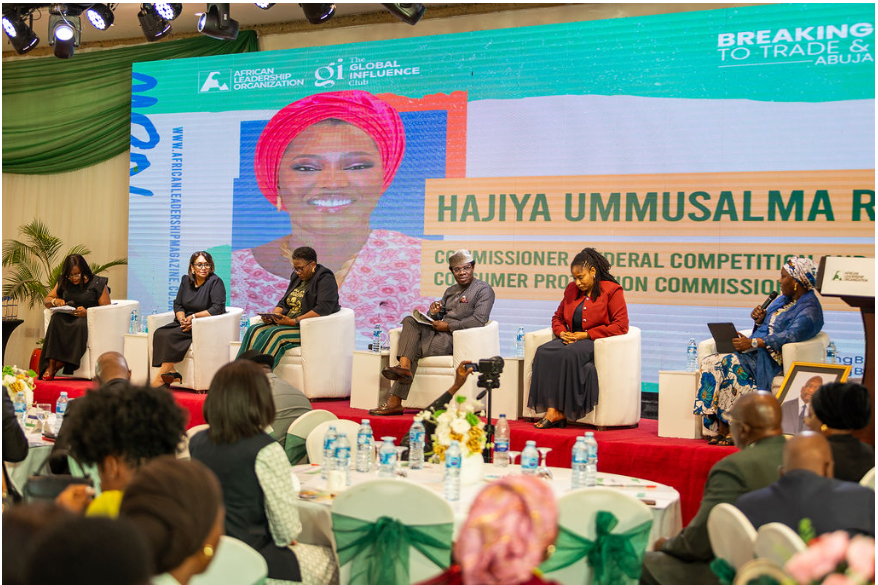
One of the day’s strongest conversations focused on women’s economic empowerment. Baroness Sandy Verma joined Mrs. Hansatu Adegbite, Chair of Nigeria’s Presidential High Level Advisory Council on Women’s Economic Empowerment, Hajiya Ummusalma Isiyaku Rabiu of the Federal Competition and Consumer Protection Commission and other experts to discuss how Africa can unlock greater economic growth by giving more women access to finance, leadership opportunities and business support.
Their message was straightforward. When women succeed, businesses grow, families become stronger and communities prosper. Supporting women isn’t simply the right thing to do; it’s a smart investment in Africa’s future.
Prime Minister Samuel Matekane also delivered one of the summit’s standout addresses. Drawing from his experience in business and public service, he spoke about the importance of honest leadership, stable policies and governments that inspire confidence. He stressed that investors are more willing to commit when they see transparency, consistency and accountable leadership.
Another important session explored the relationship between security, governance and economic growth. Former Vice President Jewel Howard Taylor, General Christopher Musa, General William Ward, Professor John Kennedy Opara and Baroness Sandy Verma agreed that trade flourishes where peace, justice and strong institutions exist. Roads, ports and trade agreements matter, they said, but investors also need confidence that the rule of law will be respected.
The summit also highlighted the important role of subnational governments. Bayelsa State Governor Douye Diri and Yobe State Governor Mai Mala Buni shared practical examples of how investments in infrastructure, education, environmental sustainability and institutional reforms are improving the lives of their citizens. Their presentations showed that meaningful national development often begins at the local level.
A dedicated Lesotho Investment Roundtable created another opportunity for action. Government officials, investors and business leaders explored new partnerships between Lesotho, Nigeria and other African countries in line with the goals of the African Continental Free Trade Area. Delegates agreed that stronger trade within Africa will create jobs, strengthen businesses and reduce barriers to economic growth.
The summit also celebrated outstanding leadership. Awards recognised the contributions of Governor Douye Diri, Dr. Asiedu Daniel, Senator Abdul Aziz Yari and Alhaji Ibrahim Masari for their work in governance, enterprise, public service and national development. Their recognition served as a reminder that excellence in leadership deserves to be celebrated because it inspires others to lead with integrity.
Another memorable moment came with the launch of Influence by Design, the latest book by Dr. Ken Giami. Following a thoughtful review by Professor Andrew Zamani, former President Jakaya Kikwete and Prime Minister Samuel Matekane officially unveiled the book. The launch sparked meaningful conversations about purposeful leadership and the kind of institutions Africa must build for future generations.
As the summit ended, delegates adopted the Abuja Declaration on African Leadership and reaffirmed their commitment to the 7D Leadership Covenant, signalling that the conversations would continue beyond the conference hall.
As I left Abuja Continental Hotel, I couldn’t help feeling optimistic. This summit wasn’t remembered for grand speeches alone. It stood out because it brought together leaders willing to exchange ideas, build partnerships and commit to practical action. If those commitments are carried through, the Breaking Barriers to Trade & Leadership Summit could become one of the defining moments in Africa’s journey towards stronger institutions, deeper regional cooperation and lasting prosperity.