Energy access remains a fundamental driver of economic growth, social development, and technological advancement. For Africa, a continent characterised by vast rural populations and persistent energy deficits, expanding reliable electricity infrastructure is not just an aspiration but an urgent necessity. The recent launch of Kenya’s Mission 300 National Energy Compact exemplifies a strategic, ambitious effort to transform Africa’s energy landscape by 2030. This initiative, supported by the World Bank Group and the African Development Bank (AfDB), aims to bring electricity to 300 million Africans, achieve universal clean cooking, and expand renewable capacity to 5,952 MW. The implications of such developments are profound, promising a trajectory toward inclusive growth, regional integration, and climate resilience.
Africa’s energy deficit is a profound development crisis, with approximately 600 million people lacking electricity access. This figure represents about 83% of the global population without power, as tracked by the International Energy Agency (IEA). The consequences are severe, stifling industrial productivity, disrupting healthcare, and excluding millions from the digital economy. The IEA’s “Africa Energy Outlook 2022” notes that the continent accounts for less than 3% of global energy investment, a massive shortfall that perpetuates poverty and hinders progress toward nearly every Sustainable Development Goal.
READ ALSO: Africa’s Digital Divide: Why AI Success Demands Reliable Energy
Despite contributing the least to historical emissions, Africa must navigate a low-carbon transition while addressing energy poverty. The International Renewable Energy Agency (IRENA) confirms that the continent possesses extraordinary renewable potential, yet only 2% of global renewable energy investment reached Africa in the last two decades. The 30% figure for renewables in the power mix masks a heavy reliance on hydroelectricity, which is vulnerable to climate-induced droughts. This presents a dual challenge: rapidly scaling up energy access while building a climate-resilient system primarily based on non-hydro renewables like geothermal, wind, and solar.
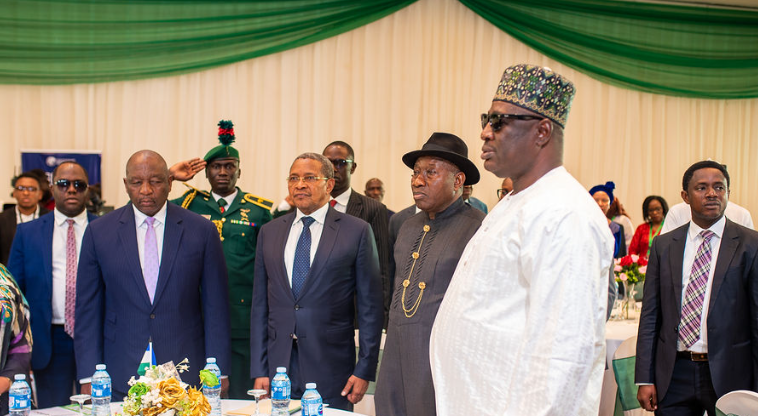
The Mission 300 framework, led by the World Bank and African Development Bank (AfDB), aims to connect 300 million Africans to electricity by 2030. Its core is the National Energy Compact, a country-specific, data-driven blueprint that sets national targets and policy commitments. This moves beyond aspirational goals to a structured, accountable process where governments formally pledge reforms to attract investment. As of early 2026, over two dozen African nations had signed such compacts, with Kenya’s being a leading example, providing the political and regulatory architecture essential for its ambitious power generation targets.
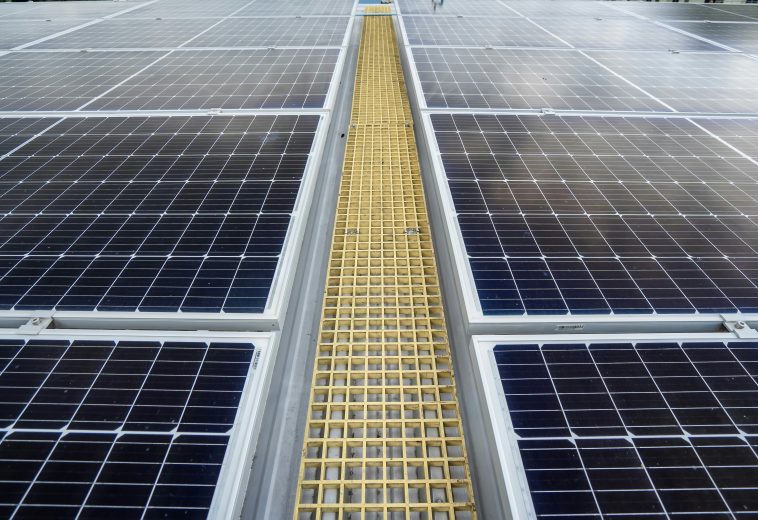
Kenya’s plan to more than double its renewable capacity to nearly 6,000 MW by 2030 is anchored in world-class resources. It is the 8th largest geothermal producer globally, with the Olkaria fields having an estimated potential of 10,000 MW, according to the Kenya Electricity Generating Company (KenGen). A BloombergNEF analysis shows geothermal energy costs in Kenya have fallen to be competitive with fossil fuels, offering a stable, baseload complement to intermittent solar and wind. This plan will diversify the grid, reducing the vulnerability that emerged during droughts when expensive thermal plants had to fill the gap from reduced hydropower.
Expanding transmission lines and cross-border links is a strategic move to create a unified, efficient energy market. The AfDB highlights that regional power pools, like the Eastern Africa Power Pool, could save consumers billions of dollars by allowing trade in cheaper surplus electricity. Data from the World Bank indicates that electricity trade in the East African region remains below 5% of generation, pointing to massive untapped potential. These interconnections enhance grid stability and allow Kenya to potentially export its geothermal and wind power, transforming electricity into a tradable service that boosts national revenue.
Grid expansion alone is economically unviable for reaching remote, low-density populations, making decentralised renewable energy (DRE) the essential tool for last-mile electrification. GOGLA, the global association for the off-grid solar industry, reports that off-grid solar solutions have already provided basic energy access to over 490 million people globally. The World Bank’s ESMAP program finds that mini-grids are the least-cost option to electrify over 260 million people in Africa by 2030. Kenya’s target to connect 5.1 million households via DRE reflects this data, deploying pay-as-you-go solar home systems and community mini-grids to power clinics, schools, and enterprises in areas the main grid may not reach for decades.
The clean cooking pillar addresses a more lethal energy deficit. The IEA and World Health Organisation data reveal that the lack of access to clean cooking affects nearly 1 billion people in Africa, causing over 500,000 premature deaths annually from household air pollution. The dependence on firewood and charcoal also drives deforestation. Kenya’s strategy aligns with the IEA’s “A Vision for Clean Cooking Access for All” report, which calculates that achieving universal access requires only $8 billion in annual investment globally, a fraction of the health and environmental costs of inaction. A national transition strategy is a critical first step to build a market for clean fuels like LPG, ethanol, and electric cooking.
Moving from policy to projects requires tackling the financing chasm. The Climate Policy Initiative’s “Landscape of Climate Finance in Africa” report reveals that the continent receives only 12% of the finance it needs. The $300 million Zafiri fund exemplifies a blended finance approach where public and philanthropic capital de-risks projects to attract private investors who would otherwise find early-stage renewable assets too risky. Technical assistance from the AfDB’s program is equally vital, transforming feasibility studies into a bankable project pipeline. This combination of de-risking instruments and project preparation support is the core strategy to crowd-in private capital towards the $30 billion goal.
The broader impact of Mission 300 is measurable and profound. The World Bank’s foundational research linking electrification to GDP growth is validated by granular data from markets like Kenya, where M-KOPA and other firms have shown that solar home systems increase a household’s disposable income by an average of 35%, per a 60 Decibels impact report. The catalytic effect on education, healthcare, and digital access forms a powerful feedback loop, creating a more productive workforce. By electrifying rural clinics, vaccine cold chains can be maintained reliably, directly impacting child mortality rates, a cornerstone of human capital development.
The path forward is fraught with systemic risks that could derail even the best-designed initiatives. A key hurdle beyond funding and policy is the financial fragility of state-owned utilities, which a World Bank review identifies as a primary barrier to investment. Kenyan Power’s own financial instability makes large-scale grid integration contracts a risky proposition for private generators. Compounding this are record levels of external debt, which constrain government co-funding, and escalating climate impacts, recent severe droughts in the Horn of Africa have crippled hydropower output, underscoring the need for the precise climate-resilient geothermal and solar diversification that the Mission 300 compacts champion.