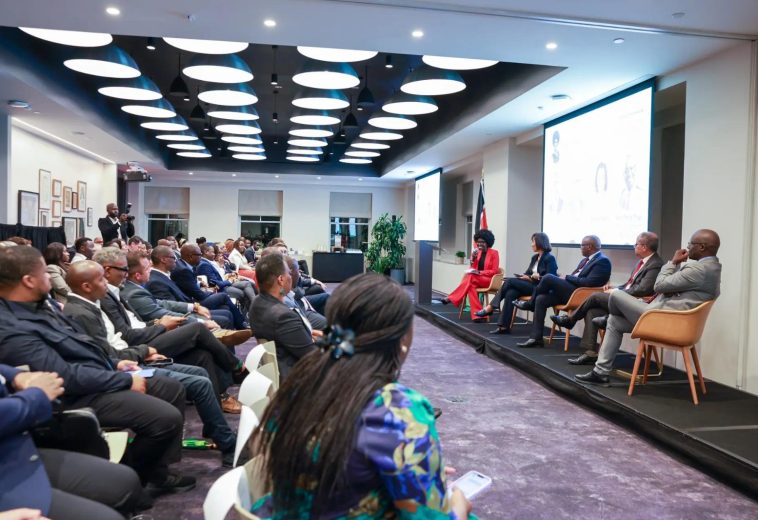
Africa’s energy transition is gathering momentum as new investment platforms and partnerships seek to expand renewable electricity access across communities that remain beyond the reach of traditional power grids.
One of the latest developments is the launch of Zafiri, a $176 million investment platform focused on distributed renewable energy across sub-Saharan Africa. Backed by institutions including the International Finance Corporation, African Development Bank and Rockefeller Foundation, Zafiri aims to provide long-term equity to renewable energy companies operating mini-grids, solar home systems, productive-use energy solutions and clean cooking businesses.
READ ALSO: Nigeria’s Energy Opportunity: Why Investment Could Reshape the Sector
The initiative aims to facilitate new electricity connections for more than 10 million people by 2030, with the potential to reach 30 million people over its lifetime. Its capital base is also expected to grow, with a target of reaching $300 million and a longer-term ambition of scaling to $1 billion.
The importance of such investment cannot be overstated. Electricity access remains one of Africa’s most significant development challenges, affecting households, schools, hospitals and businesses.
Distributed renewable energy provides an opportunity to address the problem without waiting for large national grids to reach every community. Mini-grids and standalone solar systems can provide power to rural and underserved areas while supporting productive activities such as irrigation, refrigeration, telecommunications and small-scale manufacturing.
The growing interest in distributed energy is also creating opportunities for African entrepreneurs. Renewable energy companies require technicians, engineers, installers, financial specialists and local service providers, creating employment alongside electricity access.
Zafiri is part of the broader Mission 300 effort led by the World Bank Group and African Development Bank, which seeks to connect 300 million people in sub-Saharan Africa to electricity by 2030. Distributed renewable energy is expected to play a major role in achieving that ambition.
Private investment will be particularly important. Public resources alone cannot finance the scale of infrastructure Africa needs. By combining development finance with private capital, initiatives such as Zafiri can help reduce investment risks and make clean-energy projects more attractive to commercial investors.
This blended-finance model could become increasingly important as African countries seek to expand energy access while also responding to climate change.
The opportunity extends beyond household electricity. Reliable renewable power can support agriculture, manufacturing, digital services and small businesses, helping transform electricity from a basic service into an engine of economic productivity.
For African economies, this is where the renewable energy transition becomes particularly significant. The objective is not simply to install more solar panels or build more mini-grids, but to create productive economies around reliable and affordable energy.
Africa possesses abundant solar, wind, hydro and geothermal resources. The challenge has been converting that potential into bankable projects and accessible electricity.
With stronger partnerships between governments, development institutions and private investors, that gap can increasingly be closed.
The renewable energy opportunity is therefore both an energy story and an economic transformation story. By bringing capital and innovation closer to underserved communities, Africa can expand electricity access while creating businesses, jobs and new pathways for inclusive growth.