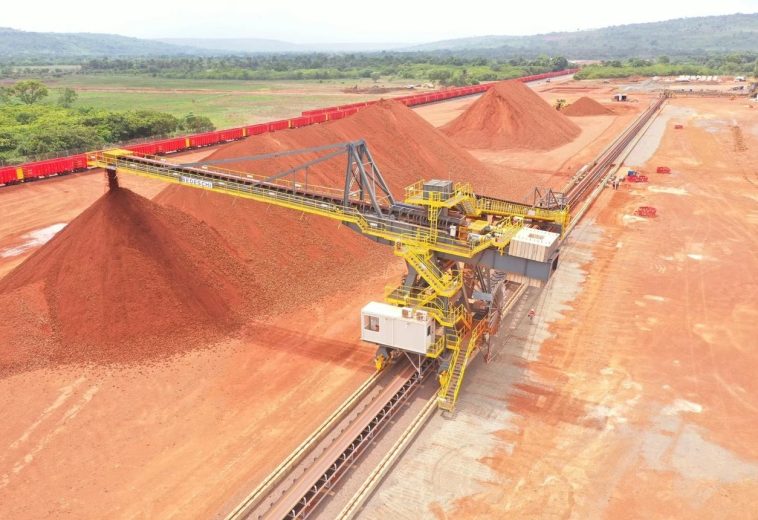
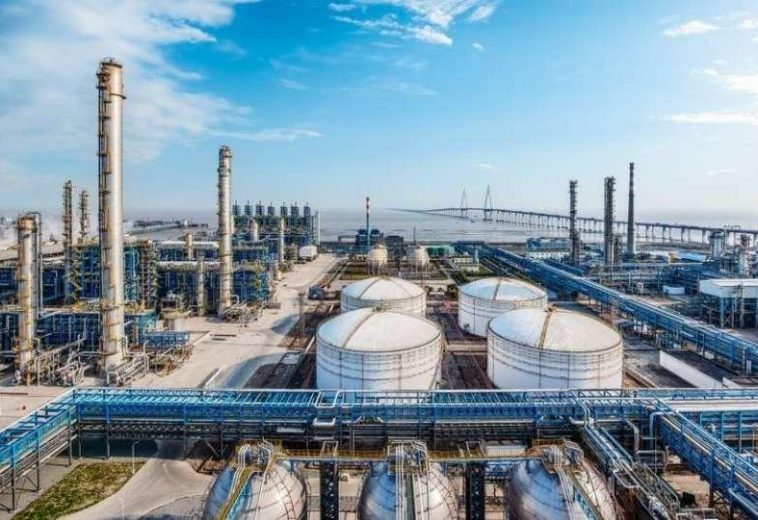
Africa’s mineral wealth has long attracted global interest, but the continent’s greatest opportunity may lie not simply in what it extracts from the ground, but in what it can produce from those resources. As demand for critical minerals grows, African countries are increasingly seeking to move beyond exporting raw materials towards building industries that create jobs, strengthen local economies and retain more value at home.
Guinea offers a timely example of this ambition. During African Mining Week in Cape Town in October 2026, the country outlined plans to establish five alumina refineries by 2030, with three already under construction. The strategy reflects an effort to use its substantial bauxite resources as a foundation for wider industrial development.
READ ALSO: Africa’s Green Industrial Future: From Minerals To Manufacturing
Yet the ambitions also expose a central challenge: processing minerals locally requires dependable electricity, transport infrastructure, financing and stable policies that can attract long-term investment.
From Extraction to Industrialisation
Africa’s relationship with mineral extraction has deep historical roots. During the colonial period, many territories were organised around the production and export of raw materials to support industrial growth elsewhere. Railways, ports and other infrastructure were frequently developed to move commodities from mining areas to export terminals, rather than to connect domestic industries and markets.
Political independence did not automatically transform these economic structures. In many countries, limited manufacturing capacity, infrastructure gaps and dependence on commodity exports continued to constrain the ability to capture more value from natural resources.
Today, the global energy transition is creating new possibilities. Minerals such as copper, cobalt, lithium, graphite and manganese are important to batteries, electricity networks, renewable-energy technologies and other industrial applications. Africa’s resource base allows it to become more deeply involved in the supply chains that support these sectors.
However, possessing the minerals is only the starting point. The larger economic gains depend on whether countries can develop processing facilities, technical expertise, supporting industries and competitive routes to market.
The Infrastructure Behind the Opportunity
Guinea’s plans demonstrate the scale of investment required. The country produces roughly 1,000 megawatts of electricity, much of it from hydropower, while officials say industrialisation ambitions could require between 5,000 and 10,000 megawatts.
That gap matters because alumina refining and aluminium smelting require substantial and reliable power. Without affordable electricity, local processing can become commercially uncompetitive, even where mineral deposits are abundant.
Governments must therefore align mining policy with energy planning, transport development, technical education and industrial strategy. Incentives for investors need to be matched by clear regulations, environmental safeguards and arrangements that deliver meaningful benefits to communities.
Regional cooperation also matters. Rather than expecting every country to establish every stage of a mineral value chain, neighbouring economies can develop complementary capabilities, share infrastructure and create regional markets under the African Continental Free Trade Area.
The opportunity extends beyond mining revenues. Properly developed mineral value chains can create skilled employment, expand local supplier networks, strengthen technical capacity and support manufacturing industries. They can also improve public revenues when agreements are transparent, and companies meet their tax and regulatory obligations.
For African leaders, the priority is to convert resource wealth into lasting productive capacity. This means investing in people, improving power supply, strengthening institutions and creating predictable conditions for responsible private investment.
The experience of mineral-producing countries also shows that local-processing targets alone are not enough. Without reliable energy, finance, committed buyers and sound policies, ambitious industrial plans can struggle to become commercially sustainable.
Africa has spent generations supplying materials that have helped power industrial development elsewhere. The next chapter should be defined by its ability to participate more fully in the industries those resources sustain.
The real measure of mineral wealth is not simply what lies beneath African soil, but how effectively it improves lives above it.