Africa’s economic transformation is increasingly being shaped by a new generation of investments in infrastructure, energy, technology and regional connectivity.
Despite a challenging global environment, the continent continues to demonstrate resilience, with policymakers and investors increasingly focused on building the foundations for long-term growth.
READ ALSO: Sustainable Infrastructure: Africa’s Key to Economic Transformation
The African Development Bank’s African Economic Outlook 2026 projects continental growth of around 4.2%, underscoring the resilience of African economies and the opportunities emerging across different sectors.
But the more significant story may be what is driving this growth.
Across Africa, investment is increasingly moving towards infrastructure capable of supporting industrialisation. Roads, ports, energy systems, digital networks and logistics corridors are becoming interconnected components of a broader economic strategy.
This represents an important shift in how Africa approaches development.
Infrastructure is no longer simply about constructing individual projects. It is increasingly about creating systems that connect producers to markets, businesses to customers and countries to one another.
The African Continental Free Trade Area could make this transformation even more powerful. By creating a larger integrated market, the agreement provides an opportunity for African businesses to expand beyond national borders and build continental supply chains.
However, these ambitions require infrastructure capable of supporting them.
Transport corridors can reduce the cost of moving goods. Reliable electricity can strengthen manufacturing. Digital networks can connect businesses and consumers. Modern ports can facilitate international trade, while industrial zones can attract investment into processing and manufacturing.
This interconnected approach could help Africa move further up global value chains.
The continent possesses enormous natural resources, but the greater opportunity lies in processing more of those resources locally. Minerals can support battery and technology industries; agricultural products can be processed into higher-value foods; and energy resources can power domestic manufacturing.
Infrastructure provides the bridge between these opportunities.
Recent investment activity across the continent demonstrates growing confidence in this potential.
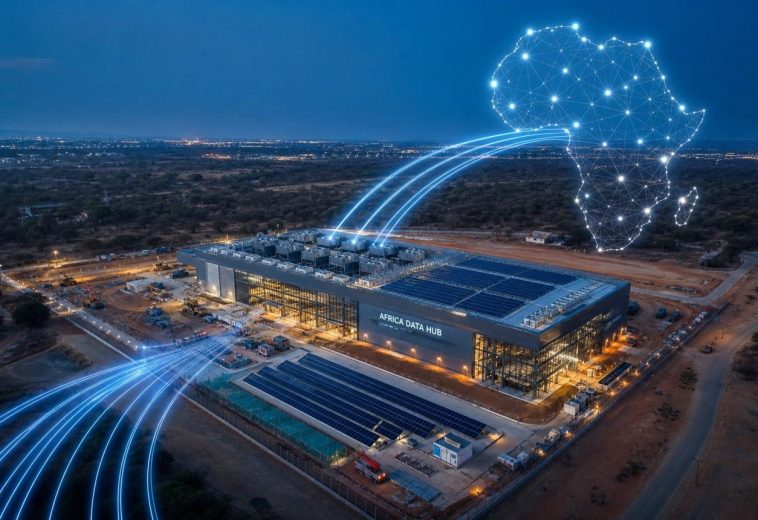
In digital infrastructure, WIOCC Group has secured US$300 million from Africa Finance Corporation and Vision Invest to expand data centres, fibre networks and subsea connectivity.
In Nigeria, the International Energy Agency sees potential for energy investment to double within five years, reflecting renewed interest in the country’s oil, gas and renewable energy opportunities.
These developments point towards a wider trend: capital is increasingly seeking opportunities in the infrastructure required to support Africa’s expanding economies.
For governments, the task is to make these investments more productive.
This means strengthening regulatory institutions, improving project preparation, developing transparent procurement systems and creating investment frameworks that provide greater certainty to both domestic and international investors.
It also means ensuring that infrastructure delivers value beyond the initial construction phase.
A new railway should support industrial activity along its route. A new port should connect businesses to regional and global markets. A digital network should enable entrepreneurs to build businesses. Energy infrastructure should support factories, farms and communities.
The real measure of infrastructure investment is therefore not simply how much is built, but what economic activity it makes possible.
Africa’s young population provides another reason for optimism. A growing workforce and expanding consumer market create strong long-term demand for housing, transport, energy, digital services, healthcare, education and financial services.
If infrastructure investment keeps pace with this demographic expansion, it can become a powerful engine for employment and enterprise.
The continent also has an opportunity to mobilise more domestic capital.
African pension funds, banks, sovereign wealth funds and institutional investors can play a greater role in financing long-term infrastructure, alongside development finance institutions and international investors.
This would deepen Africa’s own investment ecosystem and ensure that a greater share of the value generated by economic growth remains within the continent.
The emerging infrastructure story is therefore not simply about closing gaps. It is about building the foundations of a more productive and integrated African economy.
The continent’s next growth chapter will depend on how effectively infrastructure, technology, energy and industrial policy come together.
Africa has the markets, resources, entrepreneurs and human capital to build a more competitive economic future. The priority now is to connect these assets through infrastructure that turns potential into productivity.
From roads and ports to fibre networks and energy systems, the foundations are being laid.
The opportunity is to ensure that these foundations support an African economy that produces more, trades more and creates greater value at home.