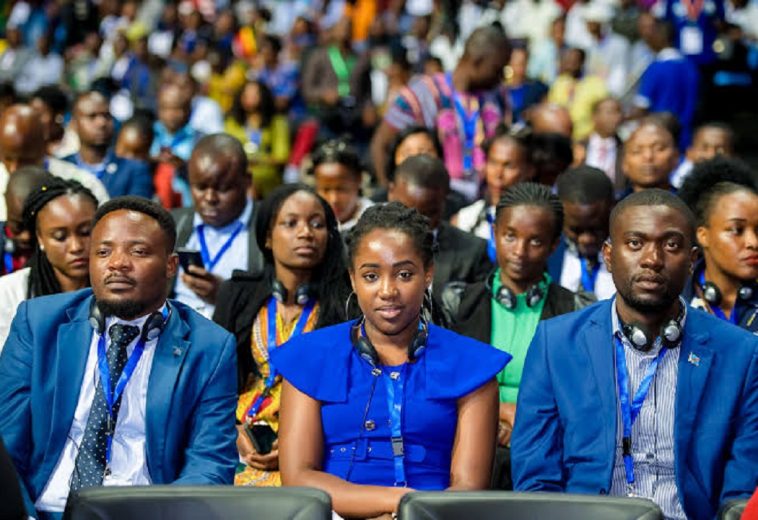
LONDON — In a powerful show of intent, the African Leadership Organisation (ALO), under the chairmanship of former Tanzanian President Dr. Jakaya Mrisho Kikwete, has formally greenlit the expansion of its African Youth Leadership Hub (AYLH)—signalling a generational shift in how leadership is nurtured on the continent. At a virtual town hall held on Sunday, July 27, over 100 young African interns from the inaugural AYLH cohort gathered for what insiders are calling a historic handover—one that places youth not on the sidelines, but firmly at the helm of Africa’s leadership journey. With ALO Founder and CEO Dr. Ken Giami anchoring the vision, the message was unmistakable: the time for youth leadership is now.
But this was not merely another youth summit. It was a declaration of intent—and history in motion.
Chaired by His Excellency Dr. Jakaya Mrisho Kikwete, the ALO Global Advisory Board had, earlier in July at the Africa Summit in London, given an emphatic green light to expand and institutionalise the African Youth Leadership Hub as a flagship initiative of the organisation. The decision, endorsed unanimously by the board and driven by the urgent need to build a pipeline of ethical, competent young African leaders, signalled a historic shift: Africa’s premier convener of heads of state, ministers, and business giants was now anchoring its next chapter on youth.
At the centre of this vision stands Dr. Ken Giami, the indefatigable founder and CEO of ALO, whose words on Sunday evening landed like thunder across the virtual auditorium: “We believe in you. We want to give you the platform—not just to engage with leaders—but to be visible yourselves.”
It wasn’t rhetoric. It was a roadmap.
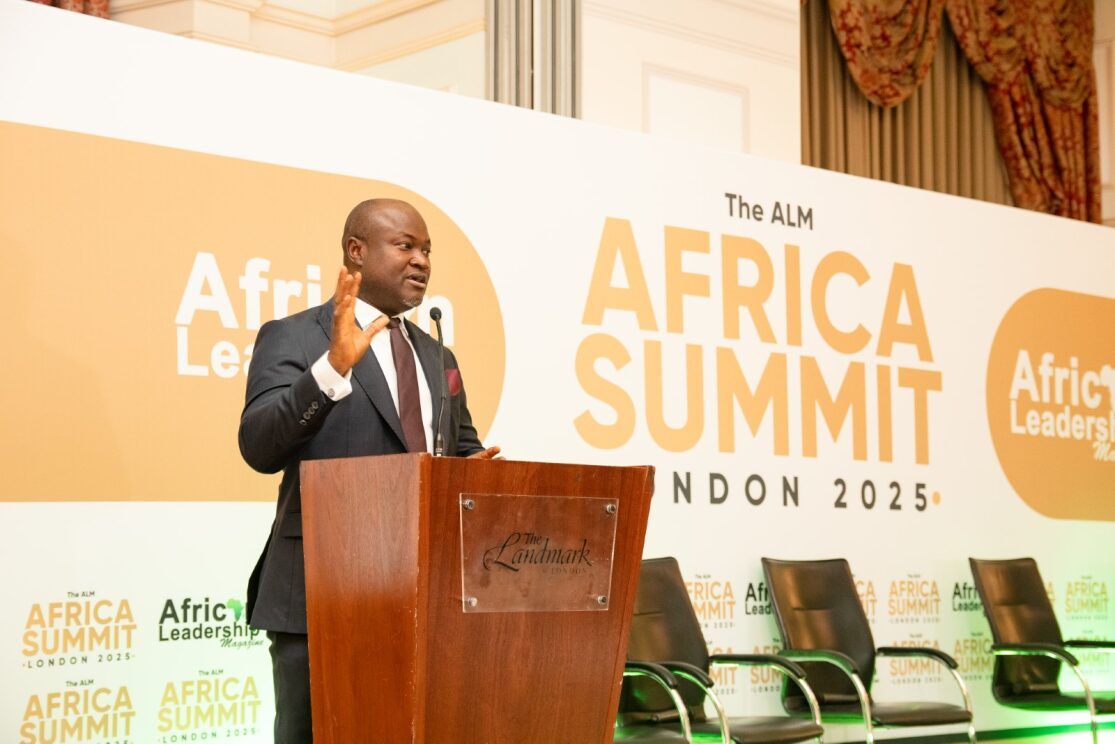
In a sweeping and deeply personal address, Giami traced the moral spine of the initiative. “Competence is easy—training can fix that. But ethical leadership is your part,” he told the AYLH interns. “We are here to groom you into that next set of ethical leaders Africa needs.” His message was unsparing: the era of empty ambition and unchecked opportunism is over. This is the time for vision, discipline, and commitment.
The Sunday meeting gathered over 100 interns from across AYLH Cohort 1.0, a diverse tapestry of young Africans joining the ALO internship programme. Coordinated by ALO leaders including Group Editor King Richard Igimoh, Executive Assistant to the founder Ngozi Nwokolo, and AYLH Coordinator Ema Johnson, the session marked the formal handover of a bold new youth-centric strategy. Ken Giami announced that editorial sections of African Leadership Magazine will now dedicate full features to youth stories, with interns expected to submit bios and high-quality portraits for publication—a symbolic first step into public leadership.
Beyond editorial exposure, the internship will rotate candidates through real organisational departments: editorial (led by King Richard), events, the Chairman’s Office, social media, and marketing. Those who excel will be retained, assigned as ALO country representatives, or fast-tracked into an upcoming ALO Youth Fellowship Programme, now in planning stages. Interns from countries like Nigeria, Mauritius, Ghana, Sierra Leone, and The Gambia will also co-host upcoming national Youth Town Hall Meetings starting this August—real-time, in-person platforms to engage policymakers, supported by the ALO secretariat.
Perhaps most inspiring was the moral authority lent to the meeting by Dr. Kikwete’s prior speech in London, at the House of Lords, where he affirmed, “No vision for Africa’s future is complete without focusing on our youth. They are Africa’s greatest resource—not our oil, not our gold.”
As if echoing that sentiment, Giami reminded attendees: you’ve had challenges, good. Challenges are the ingredients for greatness.” And in a deeply moving moment, he added, “When you see challenges, be excited. Preparation plus opportunity gives you greatness. Today you’ve been given the opportunity—now give your best.”
Yet behind the inspiration was structure, discipline, and vision. Interns will commit to a minimum of two working days per week. Those based in Abuja will operate from the ALO’s physical office; others will work virtually across time zones. Successful participants will not only earn stipends but possibly ascend to official diplomatic-like roles for ALO in their countries—engaging governors, central bank leaders, and top decision-makers.
Dr. Giami was clear: this is not about fanfare. “We don’t need critics. We need builders. We are not here to tear Africa down—we are here to lift it up.”
In a continent where half the population is under 19, this initiative does more than check the box of youth inclusion. It fundamentally rewires the narrative. For years, Africa’s youth have been told they are the future. On July 27, they were told: The future is now, and it wears your face.
In the weeks ahead, national mobilisation begins. Town hall meetings will be convened. Interns will be onboarded, trained, and publicly profiled. African Leadership Magazine will shine a spotlight on them. The boardroom has spoken—and now the field is open.
This is more than mentorship. This is movement. And it is being driven by an African leadership ecosystem finally ready to bet not just on experience, but on promise.
As the sun sets on symbolic gestures and hollow promises, a new dawn is breaking across Africa’s leadership landscape—one where young people are no longer asked to wait their turn but to rise and lead. With the backing of icons like Dr. Kikwete and the audacious vision of Dr. Ken Giami, the African Youth Leadership Hub is no longer a pilot—it’s a platform. And from the virtual halls of Zoom to the real corridors of power, the continent’s youth are stepping forward. Not as participants, but as protagonists.
Welcome to the age of youth-led leadership. Welcome to the African Youth Leadership Hub 2.0.
About the Author
King Rich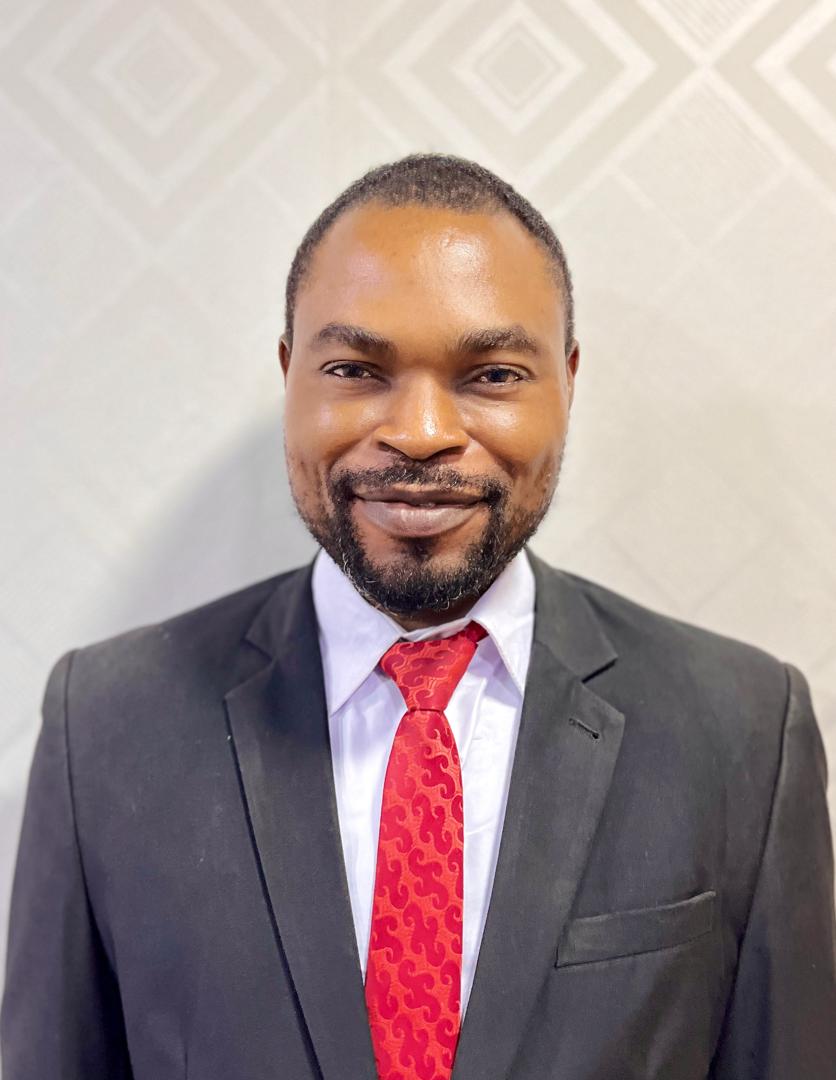 ard Igimoh is an award-winning veteran journalist, communications strategist, and public relations expert. He currently serves as Group Editor of the African Leadership Organisation and has over two decades of experience in media and public affairs leadership across Africa and beyond.