Africa’s greatest economic assets are not found beneath the ground but across its vast savannahs, pristine coastlines, dense rainforests, dramatic deserts, and rich cultural heritage sites. From world-renowned wildlife reserves and marine ecosystems to historic landmarks and indigenous traditions, the continent possesses some of the world’s most valuable tourism resources.
For years, however, the relationship between tourism and environmental protection has been viewed as a delicate balancing act. Tourism generates employment, foreign exchange earnings, infrastructure investment, and business opportunities. Yet when poorly managed, it can also contribute to habitat destruction, biodiversity loss, environmental degradation, cultural commodification, and mounting pressure on fragile ecosystems.
READ ALSO: Botswana’s Tourism Revival: Driving Jobs and Growth Through Eco-Tourism
Today, a new development model is emerging across Africa. Governments, tourism operators, conservation organisations, and local communities are increasingly rejecting the notion that economic growth and environmental stewardship are competing priorities. Instead, they are embracing a vision in which protecting natural and cultural assets becomes the foundation for long-term prosperity.
This philosophy lies at the heart of sustainable tourism and ecotourism. The objective is straightforward but transformative: ensure that tourism revenues support environmental protection, strengthen local economies, and preserve the landscapes and cultural heritage that attract visitors in the first place. As global demand for responsible travel grows and environmental pressures intensify, this approach is becoming not only an ecological necessity but also a strategic business imperative.
The stakes are significant. Tourism remains one of Africa’s most important growth sectors, supporting millions of livelihoods across hospitality, transportation, handicrafts, guiding services, cultural enterprises, and related industries. It generates foreign exchange earnings, tax revenues, and infrastructure development while offering many countries a valuable avenue for economic diversification beyond commodities and extractive industries.
However, the industry’s success ultimately depends on the health of the natural and cultural resources that sustain it. Wildlife populations, protected ecosystems, marine habitats, archaeological sites, and cultural traditions are not simply attractions; they are productive assets that generate income, employment, and investment. Their degradation represents not only an environmental loss but also a direct threat to future prosperity.
As a result, conservation is increasingly viewed through an economic lens. Across Africa, protected areas are being recognised as valuable national assets capable of generating sustainable revenues when effectively managed. Environmental stewardship has evolved from a purely ecological concern into a strategic development priority.
Recognising the financial value of natural capital has also transformed who benefits from tourism.
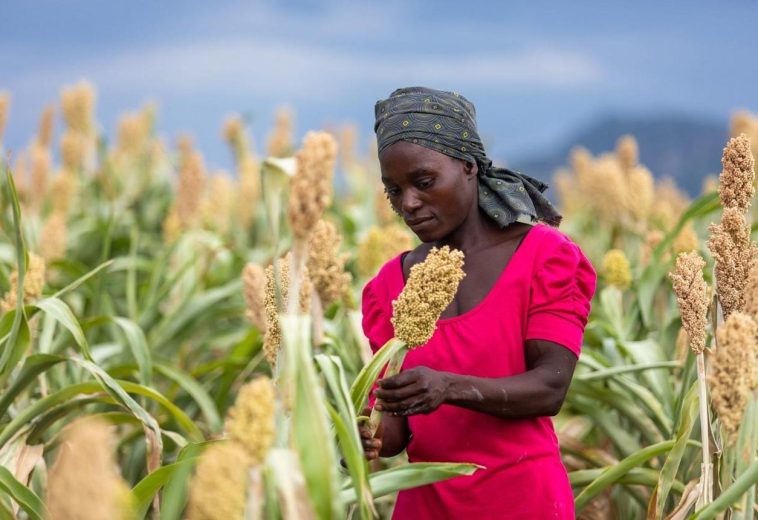
One of the most important developments has been the rise of community-based tourism. Historically, tourism revenues often bypassed local communities, leaving residents with limited incentives to protect wildlife and ecosystems. Today, a growing number of initiatives place communities at the centre of tourism enterprises through lodge ownership, cultural experiences, guiding services, conservation management, and revenue-sharing models.
This approach creates a powerful alignment of interests. When local communities directly benefit from healthy wildlife populations, intact forests, and thriving ecosystems, conservation becomes a source of opportunity rather than a competing land-use priority. The result is stronger environmental outcomes, reduced poverty, and greater local economic resilience.
Several African countries have demonstrated the effectiveness of this model. Namibia’s community conservancies have become a global example of how local participation can support wildlife protection and economic development. Similarly, Kenya’s private conservancies have strengthened conservation while creating employment opportunities and tourism revenues for surrounding communities.
Leading tourism destinations are also moving away from mass tourism models and embracing high-value, low-volume strategies. The pursuit of maximum visitor numbers often places significant pressure on wildlife habitats, infrastructure, and local communities. In contrast, carefully managed visitor caps, controlled access, and premium tourism experiences generate substantial revenue while minimising environmental impacts.
Countries such as Botswana have successfully implemented this approach, demonstrating that tourism growth does not have to come at the expense of ecological integrity. Likewise, Rwanda has built a globally recognised tourism model around high-value gorilla trekking experiences that simultaneously fund wildlife protection and community development.
This creates a virtuous cycle. Healthy ecosystems attract visitors. Tourism revenues finance anti-poaching efforts, habitat restoration, and biodiversity protection. Improved conservation outcomes enhance visitor experiences, generating further investment and strengthening long-term sustainability.
Climate change has added greater urgency to this transition. Rising temperatures, prolonged droughts, coastal erosion, coral reef degradation, and changing wildlife migration patterns increasingly threaten many of Africa’s tourism assets. Protecting ecosystems is therefore becoming essential not only for biodiversity but also for maintaining the competitiveness of tourism destinations in a changing climate.
The shift toward sustainability is also reshaping tourism infrastructure. Across the continent, eco-lodges and tourism operators are investing in renewable energy, water recycling systems, waste reduction programmes, sustainable construction materials, and carbon-conscious operations. Many properties are moving beyond simply reducing environmental harm and are adopting regenerative approaches that actively improve surrounding ecosystems.
Ethical wildlife tourism has become another important component of this evolution. Responsible operators increasingly prioritise non-invasive wildlife experiences guided by scientific conservation principles. The emphasis is shifting from entertainment-driven encounters to authentic experiences that respect natural animal behaviour and contribute to long-term ecosystem health.
The benefits extend beyond environmental protection. Tourism plays a critical role in supporting entrepreneurship, small business development, youth employment, women’s economic participation, cultural preservation, and rural development. Unlike many extractive industries, tourism creates opportunities across a broad range of sectors and communities.
As Africa seeks more inclusive and sustainable pathways to growth, tourism offers a powerful model for balancing prosperity with preservation. High-value tourism, community empowerment, conservation financing, ethical wildlife management, and regenerative infrastructure are no longer niche concepts. They are increasingly becoming the foundation of a resilient and future-ready tourism economy.
The continent is uniquely positioned to demonstrate that environmental stewardship and economic growth are not competing objectives but mutually reinforcing goals. By protecting its extraordinary natural and cultural heritage while creating opportunities for local communities, Africa can build a tourism industry that delivers lasting prosperity for generations to come.
In a world increasingly searching for sustainable development models, Africa has an opportunity to show that the most successful economies of the future will be those that recognise a simple truth: long-term prosperity depends on protecting the very assets that make growth possible.