In an engaging and deeply reflective conversation with African Leadership Magazine, Dr. Mike Omeri—a seasoned public affairs strategist, communications scholar, and former Director-General of Nigeria’s National Orientation Agency—offers bold insights into Africa’s development paradox and what it will take to redirect the continent’s leadership trajectory.
Speaking with King Richard Igimoh, Dr Omeri delivers a sharp critique of Africa’s post-colonial political systems and challenges the continent’s leaders to adopt a radically different mindset—one rooted in innovation, indigenous knowledge, and institution-driven progress. With a PhD in Communications and extensive global exposure, Dr Omeri stands as a voice of clarity in a fragmented policy environment, calling for urgent reforms in education, governance, and national orientation.
Africa at a Crossroads
Reflecting on the continent’s historical journey, Dr Omeri frames Africa’s development as a process interrupted by centuries of systemic exploitation.
“Africa had highly organised societies before 600 years of slavery, followed by 150 years of colonialism—and now we are facing a new form of colonisation through globalisation,” he says. “We were torn from our roots and thrust into a world that demands speed, innovation, and competition—without preparing our systems or people.”
Despite the abundance of talent and intellectual brilliance across the continent, Dr Omeri argues that weak political structures, broken value systems, and an unhealthy overdependence on government have hindered Africa’s potential.
“We see government as the only vortex of progress. So, for the average graduate or citizen, the first option is government employment—rather than entrepreneurship or innovation,” he laments. “Our educational policies still prepare young people for jobs that no longer exist, rather than for creating value.”
Political Culture and the Power Paradox
Dr Omeri is particularly critical of Africa’s political culture, which he describes as transactional and personality-driven, rather than institutional or ideology-based.
“The deployment of democracy in Africa is flawed. People fight for power not to serve, but to control. Power has become a tool for patronage, not progress. The tragedy is that people still vote without understanding the ‘why’—there’s little policy engagement or sustained civic education.”
He notes that the recycling of political actors—driven by short-term interests and ethnic patronage—has led to stagnation and deepening poverty.
“We lack the patience to fix problems. Everyone wants quick results. Those with long-term visions are often sidelined. We need democratic processes that prioritise ideas, not individuals—systems, not strongmen.”
Education, Innovation, and the Role of African Universities
Turning to the education sector, Dr Omeri issues an impassioned call for the radical reinvention of African universities.
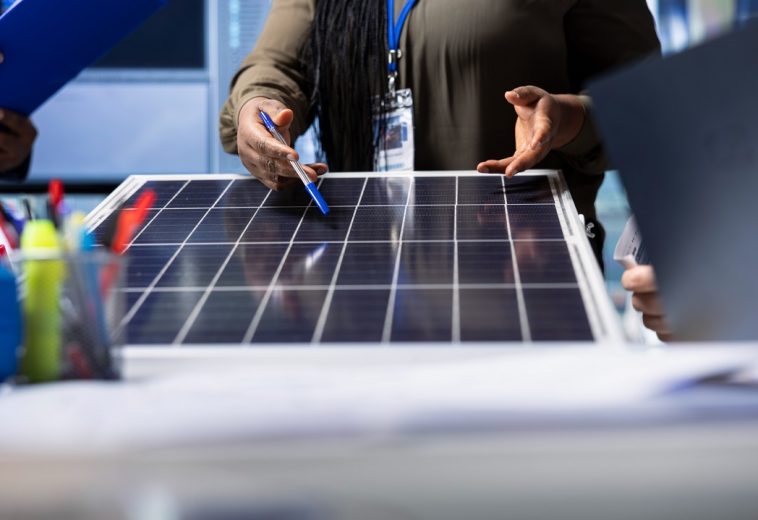
“We have universities of science, technology, agriculture, and innovation scattered across the continent—but we aren’t taxing them enough to solve local problems,” he explains. “Can our universities help solve power shortages using renewable energy? Can they build a viable transport system for intra-African mobility? Can they develop green technologies for sustainable food production?”
He calls for stronger government and private sector investment in research and development, with academia linked to local industries and focused on African solutions.
“Let us fund our universities to create modules on climate resilience, machine learning, and biogas solutions. We must align academic training with local production systems and social needs.”
Redefining Leadership and National Orientation
As a former head of Nigeria’s national orientation agency, Dr Omeri understands the power of narrative. He insists that Africa must reframe its self-image—from one of dependence and deficiency to one of confidence and creativity.
“The way forward is not more aid, but more value creation. Not more borrowed solutions, but more homegrown models. Let’s inspire our youth with stories of African excellence, and challenge them to build what we once had—and better.”
He underscores the role of civic education, values reorientation, and a merit-based leadership pipeline as critical drivers of change.
Leadership Lessons and the Trump Example
In a twist, Dr. Omeri references U.S. President Donald Trump’s unorthodox approach to governance as a model of strategic nationalism.
“Trump, in his own way, taught the world to look inward—he placed American interests first. Africans must learn from that: to protect and promote our own interests before expecting external support,” he said. “We must create environments where our people can stay, thrive, and lead—not just survive.”
A Word to African Leaders and Citizens
Dr Omeri concludes with a challenge to both Africa’s leaders and its citizens:
“Africa’s transformation is not about big speeches or empty promises. It is about training our people, empowering communities, deploying knowledge, and utilising our vast land, youth population, and intellectual assets,” he said. “We must stop exporting raw talent and importing failure. Let’s build the Africa we dream of—one community, one innovation, one institution at a time.”
Dr Mike Omeri’s voice is a clarion call for urgent and strategic change. At African Leadership Magazine, where the vision is to spotlight “African solutions by Africans for Africa”, his insights resonate with our core mission. These are the voices that must echo through our classrooms, parliaments, policy chambers, and media platforms. If Africa is to leap forward, it must start by believing in—and building on—its own people, ideas, and possibilities.
About the Author
King Richard Igimoh is an award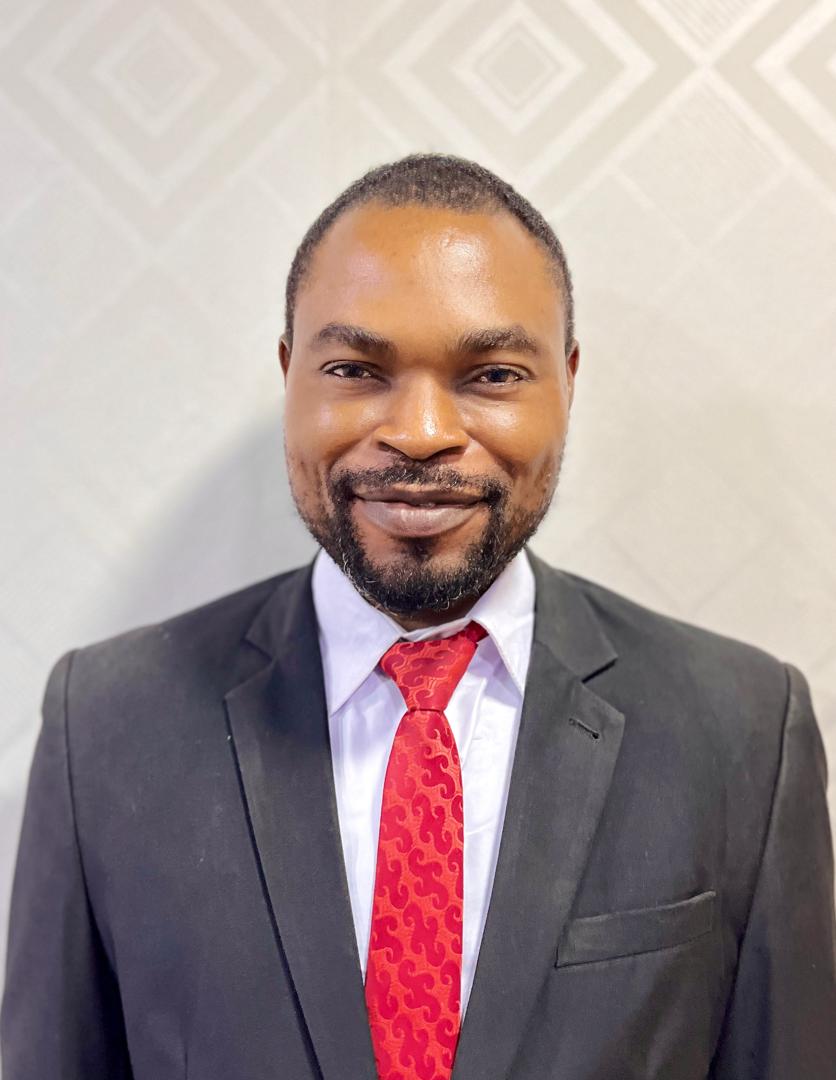 -winning veteran journalist, communications strategist, and public relations expert. He serves as Group Editor of the African Leadership Organisation and is widely recognised for spotlighting transformational leadership and driving pan-African dialogue through media. With over two decades of experience in media and public affairs, King Richard continues to shape compelling narratives that define Africa’s leadership journey.