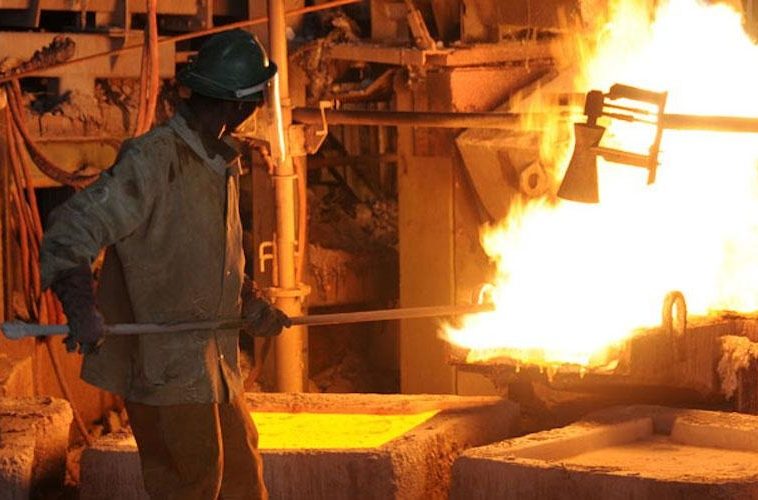
The global race for critical minerals has elevated resource-rich nations into pivotal players in the emerging clean energy economy. At the heart of this transformation is the Democratic Republic of Congo (DRC), home to some of the world’s largest cobalt reserves and substantial deposits of copper, lithium, and other minerals essential for electric vehicles, battery technologies, AI infrastructure, and advanced manufacturing.
Yet amid this vast resource wealth, a pressing question remains: how can the DRC convert its mineral riches into sustainable and inclusive economic growth?
For Remy Kamana Kankola, Director General of Kasai Corporation United SARL, the answer lies not merely beneath the ground but in the partnerships, policies, and investments that transform natural resources into lasting prosperity. He believes that stronger strategic partnerships, greater local value addition, and community-centred development are critical to unlocking the country’s full economic potential.
Kankola’s perspective is grounded in nearly four decades of public service. During his 39-year career at the National Social Security Fund (CNSS), where he progressed from administrative positions to become Director and Technical Adviser, he gained firsthand insight into the persistent gap between resource wealth and social development.
“Resource extraction in our region has prioritized commodities over human development,” Kankola says. “The priority must be to transform resource wealth into long-term social progress.”
His observations reflect a wider debate across the global mining industry. As demand for critical minerals accelerates, governments, investors, and development institutions are increasingly examining how mining revenues are distributed and whether local communities are genuinely benefiting from extraction activities.
This conversation is particularly significant for the DRC, which supplies a substantial share of the world’s cobalt. Industry analysts widely recognise that the country’s mineral reserves will play a decisive role in supporting global net-zero ambitions. However, many experts contend that exporting raw materials alone cannot deliver sustainable economic prosperity.
That view has gained traction across the international mining sector. Discussions surrounding energy transition supply chains increasingly emphasise beneficiation, local processing, and industrialisation as essential components of long-term development within resource-producing nations.
Kankola believes the DRC is uniquely positioned to capitalise on this opportunity.
“The Democratic Republic of Congo cannot remain solely an exporter of raw materials,” he says. “Developing local processing and refining capacity will create skilled jobs, strengthen economic resilience, and ensure that our mineral wealth contributes directly to national development.”
His position aligns with growing calls from African policymakers for greater domestic value capture, ensuring that a larger share of economic benefits remains within resource-rich countries rather than being exported abroad.
For Kasai Corporation United SARL, this vision extends beyond mining operations. The company has incorporated agricultural development into its broader strategy, recognising that diversified local economies are essential for long-term stability in mining communities.
“Mining alone cannot solve every social challenge,” Kankola explains. “Agriculture creates employment opportunities and helps reduce socio-economic pressures in resource-producing regions.”
One of the most significant barriers to achieving this vision remains access to finance.
Across Africa, many promising mining ventures struggle to progress beyond exploration because they lack funding for feasibility studies, technical assessments, and project preparation. Investors often prefer projects that are already investment-ready, creating a critical gap between resource discovery and commercial development.
According to Kankola, strategic partnerships offer the most effective pathway to closing that gap.
“We are looking for partners that bring technical expertise, project development support, and structured financing,” he says. “What matters most is a shared commitment to long-term value creation for both investors and local communities.”
His focus on project preparation mirrors a growing trend in global development finance. Development banks, export credit agencies, and specialised project preparation facilities increasingly view early-stage technical support as a crucial catalyst for attracting investment into emerging markets.
Despite ongoing regulatory, infrastructure, and financing challenges, Kankola remains optimistic about the future of the Congo mining sector. Rising demand for critical minerals, combined with growing international efforts to diversify supply chains, presents what many industry observers describe as a once-in-a-generation opportunity.
Whether this opportunity becomes truly transformative will depend not only on the minerals beneath the soil but also on the quality of the partnerships, institutions, and development frameworks built around them.
As Kankola puts it, “The future of the DRC will not be determined by the resources we possess, but by how effectively we convert those resources into opportunities for our people.”