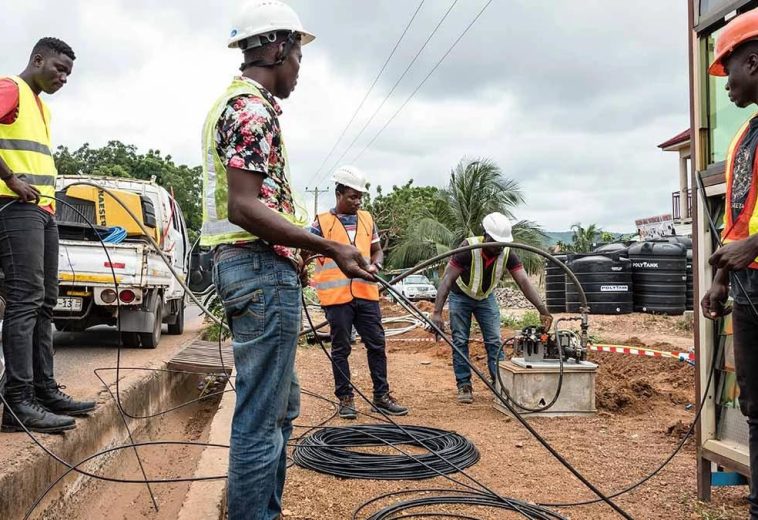
Africa’s energy landscape has undergone a remarkable transformation over the past decade, driven largely by the rapid expansion of solar power. For generations, unreliable electricity kept millions of rural Africans trapped in poverty, limiting economic growth, education, healthcare, and overall quality of life. Today, a renewable energy revolution led by solar technology is reshaping rural communities, providing a sustainable, affordable, and scalable solution to one of the continent’s most enduring development challenges.
According to the International Renewable Energy Agency (IRENA), around 600 million Africans, representing approximately 60 per cent of the continent’s population, still lacked access to electricity in 2022. Rural communities remain the most affected, with only about 20 per cent of households connected to the national grid. This disparity highlights the urgent need for off grid energy solutions capable of reaching remote and underserved populations.
READ ALSO: From Renewable Energy to Data Centres: Kenya’s Strategy for Digital Leadership
Expanding conventional electricity grids into rural areas remains both expensive and logistically complex. In some regions, extending centralised power infrastructure can cost more than US$1,500 per household. As a result, decentralised solar energy systems have emerged as a practical and cost effective alternative, delivering immediate and scalable access to electricity.
For many years, rural households relied on kerosene lamps and candles for lighting, exposing families to serious health and safety risks while limiting productive activities after sunset. Solar home systems have fundamentally changed this reality. Homes can now be illuminated safely at night, allowing children to study longer, adults to work more productively, and families to eliminate the fire hazards and harmful fumes associated with traditional lighting sources.
Beyond lighting, solar energy enables convenient mobile phone charging, connecting rural communities to financial services, healthcare information, educational resources, and wider markets. This improved connectivity has transformed daily life and expanded economic opportunities for millions of people.
According to SolarAid, more than 10 million people across Africa have gained access to solar lighting through initiatives such as SunnyMoney, which has distributed over 2.2 million solar lights in Malawi and Zambia.
Reliable electricity has also become a powerful catalyst for rural economic growth. Small businesses can remain open long after sunset, increasing productivity, boosting incomes, and creating employment opportunities. Data from Tanzanian solar company Mobisol show that its solar home systems have benefited more than 750,000 people by supporting businesses such as retail shops, mobile phone charging centres, and small scale manufacturing enterprises. In Nigeria’s Ohafia community, entrepreneur Mercy Kalu reports that reliable solar power has enabled her to generate in three days the sales that previously required an entire week.
Access to clean energy has significantly improved healthcare delivery across off grid communities. Solar powered clinics and vaccine refrigerators help maintain reliable cold storage, while dependable lighting allows healthcare workers to respond more effectively to medical emergencies during the night. In Uganda, organisations such as Let There Be Light International have installed more than 6,000 solar systems in rural health facilities, contributing to improved maternal healthcare and stronger vaccine preservation in several communities.
Solar powered water pumps are also bringing clean water to remote villages, reducing the burden on women and children who traditionally spend hours collecting water each day. Improved access to clean water enhances sanitation, strengthens public health, and increases agricultural productivity by enabling irrigation in areas previously affected by water scarcity. These improvements create lasting social and economic benefits across rural communities.
One of the most significant drivers of Africa’s solar revolution has been the Pay As You Go (PAYG) financing model. This approach allows households to purchase solar systems through affordable mobile money instalments, removing the barrier of large upfront costs. By 2023, companies such as d.light and Sun King had reached more than 150 million people globally, including approximately 35 million in Africa, making clean energy increasingly accessible to low income households. In Nigeria, the Mission 300 initiative has supported projects that replace diesel generators and kerosene lamps with cleaner, more reliable solar energy, reducing household energy costs while improving quality of life.
Non profit organisations have played an equally important role in expanding solar access. Since its establishment in 2006, SolarAid has distributed more than 2.2 million solar lights across Malawi and Zambia through its social enterprise, SunnyMoney, helping families save over US$400 million in fuel costs. As Chief Executive Officer John Keane explains, “When the sun goes down, solar light extends the day,” allowing children to study for longer, increasing productivity, and reducing dependence on harmful fuels.
The health benefits of clean energy are equally significant. Replacing kerosene based lighting reduces exposure to harmful indoor air pollution, lowering the risk of respiratory illnesses associated with traditional household fuels. Solar refrigeration also strengthens healthcare systems by improving vaccine storage and reducing preventable diseases. In several Ugandan communities served by solar powered clinics, improved energy access has supported better maternal healthcare outcomes.
Solar energy is also advancing gender equality and creating employment opportunities for young Africans. The Barefoot College programme trains rural women, many of them grandmothers, as solar engineers, equipping them with the skills to install and maintain solar systems within their communities. More than 1,500 women across 93 villages have become “Solar Mamas”, bringing electricity to over 200,000 people while challenging traditional gender roles. At the same time, youth led companies such as Arnergy and Havenhill Synergy are creating skilled jobs for technicians, encouraging entrepreneurship, and supporting local economic development.
Looking ahead, the future of solar energy in Africa appears exceptionally promising. The International Energy Agency projects that off grid solar systems could provide electricity to more than 300 million people by 2030, dramatically reducing energy poverty across the continent. Continued investment, technological innovation, and supportive government policies will be essential to achieving this ambition. The rewards extend far beyond electricity, offering stronger economies, healthier communities, improved educational opportunities, and greater empowerment for women and young people.
Africa’s renewable energy boom, driven by the rapid growth of solar power, represents far more than a technological advancement. It is a transformative force for sustainable development, economic opportunity, and human dignity. By bringing reliable electricity to underserved rural communities, solar energy is unlocking opportunities that were once beyond reach, improving livelihoods, strengthening healthcare, expanding education, and creating new pathways to prosperity. As solar adoption continues to accelerate, Africa moves steadily towards a future in which clean, reliable energy is accessible to all, powering inclusive and sustainable development for generations to come.