For decades, Africa has exported vast quantities of raw materials while importing expensive finished products, limiting the continent’s ability to maximise the economic value of its abundant natural resources. Today, however, a growing number of African nations are embracing resource beneficiation, a strategic shift towards processing raw materials locally before export. By transforming lithium into battery components, cocoa into chocolate, cotton into textiles, and gold into refined bullion, countries are creating skilled jobs, capturing higher profit margins, and laying the foundation for sustainable industrialisation.
Resource beneficiation is increasingly recognised as a cornerstone of Africa’s economic transformation. Rather than exporting raw commodities with minimal value addition, governments are implementing policies that encourage domestic processing, manufacturing, and industrial development. This approach enables countries to retain a greater share of the value generated from their natural resources while reducing dependence on imported finished goods.
READ ALSO: Natural Resources Fuel Namibia’s Economic Growth
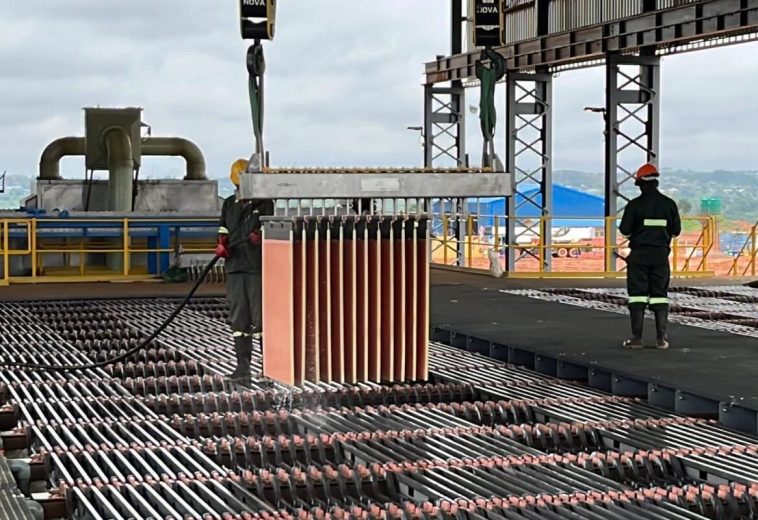
Across the continent, governments are rewriting mining and trade policies to maximise local wealth retention. In the critical minerals sector, Namibia has prohibited the export of unprocessed lithium, cobalt, manganese, and rare earth elements, encouraging investors to establish local processing facilities. Zimbabwe has adopted similar measures by requiring domestic processing of its lithium reserves before export, positioning itself to benefit from the rapidly expanding global electric vehicle and battery industries.
In the precious metals sector, Mali is investing in a major gold refinery to ensure more of its gold is processed domestically, while Ghana has introduced policies requiring the purchase of a substantial portion of large-scale gold production for local refining. These initiatives are expected to strengthen national value chains, increase export earnings, and generate higher-value employment opportunities.
Agricultural beneficiation is also gaining momentum. Countries across West and East Africa are expanding domestic food processing and textile manufacturing to capture greater value from commodities such as cocoa, cotton, coffee, and cashew nuts. Instead of exporting raw produce, governments are encouraging local industries to manufacture finished products for regional and international markets, creating jobs while strengthening food security and industrial capacity.
Regional integration is further accelerating this transformation. Through the African Continental Free Trade Area (AfCFTA), African countries are laying the foundation for integrated regional supply chains that allow value-added goods to move more freely across borders. This emerging continental market offers manufacturers access to over 1.4 billion consumers while reducing dependence on overseas processing centres in Europe and Asia.
Despite the significant progress, challenges remain. Expanding beneficiation requires substantial investment in reliable electricity, transport infrastructure, industrial parks, technical skills, and access to affordable finance. Regulatory certainty and supportive investment policies will also be essential to attract both domestic and foreign investors willing to establish processing facilities across the continent.
Nevertheless, Africa’s shift towards local value addition represents one of the continent’s most important economic transformations. By processing its natural resources at home rather than exporting them in raw form, Africa is capturing greater economic value, creating higher-skilled employment, strengthening industrial competitiveness, and building more resilient economies. Beneficiation is not merely an industrial policy; it is a blueprint for ensuring that Africa’s abundant natural wealth translates into long-term prosperity, inclusive growth, and sustainable development for future generations.