Uganda is building the foundations for another period of economic expansion, combining infrastructure investment with growing exports, foreign investment and private-sector activity. While global economic conditions remain uncertain, the country’s outlook continues to point towards steady growth and increasing opportunities across several sectors.
The African Development Bank expects Uganda’s economy to grow by 6.2 per cent in 2026, maintaining its position among East Africa’s stronger-performing economies. The bank’s latest country outlook points to continued expansion even as external pressures create a more challenging environment.
READ ALSO: Uganda–Tanzania Energy Link: A New Regional Hub for East Africa
Infrastructure is an important part of this story.
In August, Uganda announced plans to borrow up to €207.7 million, equivalent to approximately $242.5 million, from Citibank to finance a major road construction project in the eastern part of the country. The project is expected to strengthen transport links and support regional development.
For an economy where agriculture remains a major source of employment and income, better roads can have a direct impact on businesses and households. Farmers need reliable routes to take produce to markets, while manufacturers require efficient connections to suppliers and customers.
Infrastructure investment can therefore create benefits far beyond the roads themselves.
Improved connectivity can reduce transport costs, shorten delivery times and encourage businesses to establish operations outside major urban centres. It can also help smaller towns become part of larger commercial networks.
Uganda’s economic potential extends well beyond infrastructure. The World Bank’s June 2026 economic update noted that the country’s external position had strengthened through higher exports, stable remittances, increased foreign direct investment and record foreign exchange reserves.
These developments provide a stronger foundation for economic expansion.
Agriculture remains one of Uganda’s biggest opportunities. The country has considerable arable land and a climate suited to producing a wide range of crops. Greater investment in irrigation, processing, storage and transport could help Uganda capture more value from agricultural production and strengthen its position in regional and international markets.
The opportunity is not simply to produce more, but to process more at home.
When agricultural products are processed locally, they can generate additional businesses, jobs and export earnings. This is the type of value addition that can help Uganda move from being primarily a producer of commodities to becoming a more competitive participant in regional manufacturing and food-processing value chains.
Energy is another part of the country’s long-term growth story. Expanding electricity generation and improving access to reliable power will be essential as Uganda seeks to develop industries and attract new investment. Businesses cannot expand efficiently without dependable energy, just as manufacturing cannot become competitive if electricity costs remain too high.
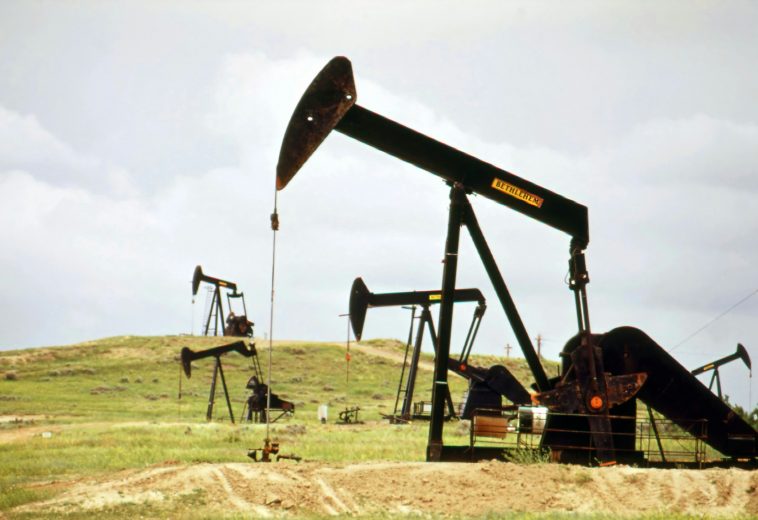
The country’s emerging oil industry also adds another dimension to its economic outlook. Uganda expects oil production to become an increasingly important source of revenue and foreign exchange, although managing these resources effectively will be crucial. The greatest opportunity will be to use oil revenues to strengthen infrastructure, education, healthcare and productive industries rather than allowing the economy to become overly dependent on crude exports.
Digital technology is opening another avenue for growth. Uganda’s technology and financial services sectors are developing rapidly, while mobile money and digital platforms are making it easier for businesses and consumers to participate in the formal economy.
For young Ugandans, this combination of technology, entrepreneurship and investment could create opportunities that were previously concentrated in a handful of sectors.
The country’s challenge now is to ensure that economic growth is broad enough to reach more people.
Strong headline growth is important, but its value is ultimately measured by whether it creates productive employment, raises incomes and gives businesses the confidence to invest for the long term. Infrastructure projects can help achieve this when they are connected to wider economic plans.
Uganda therefore has an opportunity to make the coming years about more than growth figures. Roads can connect farmers to markets. Energy can power factories. Digital platforms can connect entrepreneurs to customers. Investment can create new industries. And improved regional trade can open larger markets for Ugandan businesses.
The foundations are being put in place.
With continued investment, sound economic management and a stronger focus on value addition, Uganda can turn its natural resources, young population and strategic position in East Africa into a more diversified and competitive economy.
Its next phase of growth may ultimately be defined not by how quickly the economy expands, but by how effectively that growth is converted into lasting economic opportunity.