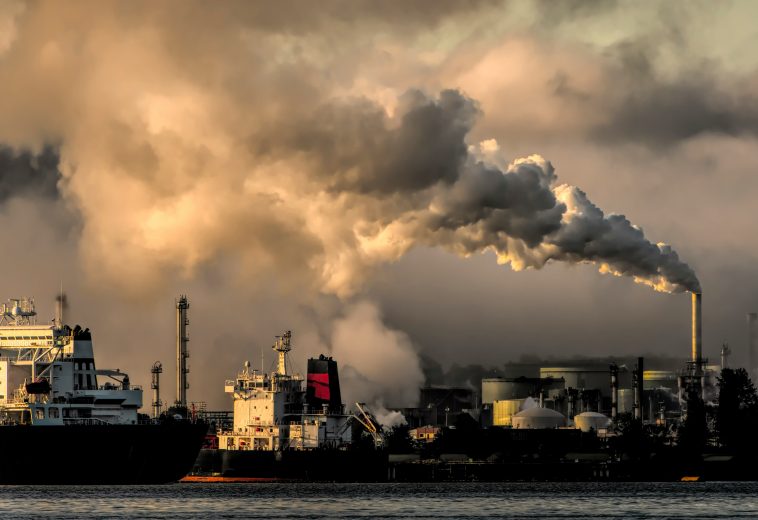
Rising geopolitical tensions involving Iran and disruptions to shipping through the Strait of Hormuz, a corridor that carries nearly one-fifth of global oil supply, have once again exposed the fragility of the global energy system. In this increasingly uncertain environment, Nigeria is emerging not as a competitor to Gulf producers but as a strategic partner capable of helping stabilise global energy markets during periods of disruption.
Nigeria’s Minister of Foreign Affairs, Yusuf Maitama Tuggar, recently argued that deeper energy cooperation between Gulf producers and Nigeria could help diversify supply networks and reduce the world’s dependence on a single geopolitical corridor. “Countries that might otherwise consider us competitors should partner with us and invest so they can diversify their market share, working with us,” Tuggar said.
READ ALSO: Nigeria’s OPL 245 Breakthrough Unlocks Deepwater Reserves
Global oil consumption currently averages 105–106 million barrels per day, underscoring the continued strategic importance of hydrocarbons. The Gulf region, particularly Saudi Arabia, United Arab Emirates, Qatar, Kuwait, and Iraq, remains the heart of global oil exports. However, recurring tensions involving Iran and the vulnerability of the Strait of Hormuz highlight the risks of concentrating energy supply within a single geopolitical region.
This is where Nigeria enters the strategic equation. As Africa’s largest hydrocarbon producer, the country holds about 37.5 billion barrels of crude oil reserves and more than 209 trillion cubic feet of natural gas, the largest gas reserves on the continent and among the top ten globally. In early 2026, Nigeria’s oil production had recovered to roughly 1.7 million barrels per day, up from 1.4 million bpd in 2023, driven by improved security measures, regulatory reforms, and renewed upstream investment. The government aims to raise output to 1.8 million bpd in the near term.
Nigeria’s natural gas sector is also expanding. In 2025, the country produced approximately 2.71 trillion standard cubic feet of gas, with around 35 percent exported, primarily as liquefied natural gas. This resource base positions Nigeria as an attractive partner for Gulf investors seeking supply diversification beyond the Middle East, while also providing access to Africa’s growing energy markets.
Despite ongoing diversification efforts, oil and gas remain central to Nigeria’s economy. In 2025, the country recorded about 3.9 percent real GDP growth, with nominal GDP reaching roughly ₦441.5 trillion. The energy sector accounted for 86.6 percent of export earnings, a substantial share of government revenue, and a critical source of foreign exchange. Although the sector contributes only around 4 percent of real GDP directly, its influence on fiscal stability and international trade is far greater.
Nigeria’s oil story began in 1956, when commercial crude oil was discovered in Oloibiri, Bayelsa State, by Shell and BP, with exports commencing two years later. The 1970s oil boom transformed the country into a major global exporter, reshaping the economy as petroleum revenues increasingly overshadowed agriculture. Nigeria joined Organisation of the Petroleum Exporting Countries in 1971 and established the Nigerian National Petroleum Company Limited to manage state participation in the industry.
Recent reforms in the 2020s have begun to reshape the sector. The Petroleum Industry Act introduced new regulatory structures and more transparent fiscal frameworks designed to attract long-term investment. Meanwhile, the massive Dangote Refinery—with a capacity of 650,000 barrels per day—has significantly reduced Nigeria’s dependence on imported refined fuel. By January 2026, the facility was supplying more than 61 percent of domestic petrol demand, pushing fuel imports to a nine-year low.
Nigeria is also leveraging its energy resources to strengthen regional cooperation. The West African Gas Pipeline supplies natural gas to Ghana, Benin, and Togo, supporting power generation and industrial development across West Africa. In 2026, Nigeria also signed a Comprehensive Economic Partnership Agreement with the United Arab Emirates to expand bilateral trade and energy investment, while investors linked to Qatar are exploring opportunities in Nigeria’s gas sector.
Nevertheless, significant challenges remain. Oil theft and pipeline vandalism have disrupted up to 30 percent of onshore production, while ageing infrastructure, regulatory delays, and energy transition pressures continue to test the sector’s resilience. To address these issues, the government’s “Decade of Gas” initiative aims to accelerate gas development, expand domestic infrastructure, reduce flaring, and position Nigeria as Africa’s leading gas hub.
If reforms continue and investment flows remain strong, Nigeria could emerge not only as a major gas supplier but also as a critical stabilising force in global oil markets and a strategic energy partner for the Middle East, Europe, and Asia in an era of growing energy uncertainty.