In a remarkable display of engineering, environmental foresight, and economic strategy, Morocco has commissioned the longest water pipeline in its history—a 203-kilometre feat connecting the Jorf Lasfar desalination plant on the Atlantic coast to Khouribga, home to the world’s largest phosphate reserves. More than an infrastructure project, this pipeline signals a paradigm shift in how nations can integrate industrial development with water security and climate resilience.
Led by the state-owned OCP Group, through its subsidiary OCP Green Water, the pipeline represents a MAD 5 billion ($556 million) investment, achieving complete water autonomy for the company two years ahead of schedule. And for Morocco, it marks a new era in managing its chronic water scarcity, while also positioning itself as a continental leader in sustainable industrial innovation.
READ ALSO: Africa’s Water Security Strategies: Solutions for Drought and Scarcity
Engineering Brilliance Meets Environmental Purpose
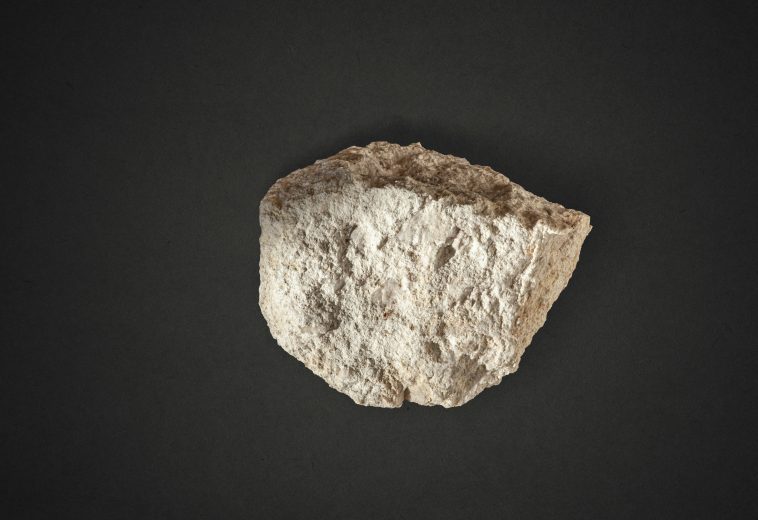
Commissioned in 2025, the pipeline connects the Atlantic Ocean’s desalinated water source at Jorf Lasfar to Khouribga, home to one of the world’s richest phosphate reserves. The infrastructure includes 187 kilometres of 1,300-millimetre diameter piping and 16 kilometres of 600-millimeter sections, capable of overcoming an 800-meter elevation difference—a monumental challenge conquered with precision in just 24 months.
“This project was designed and completed in just two years, and its scale and complexity are unprecedented,” said Ahmed Zniber, Director General of OCP Green Water, the unit operating the pipeline. It is powered by high-capacity pumping stations capable of transporting 25,000 cubic meters of water per hour, enabling continuous, high-volume flow over long distances—something never before accomplished in the region.
Beyond Industry: A Multi-Dimensional National Asset
While originally conceived to ensure a sustainable water supply for OCP’s inland mining operations, the J2K pipeline’s impact is far more expansive. It now provides 30% of Casablanca’s potable water, with plans underway to supply clean water to Khouribga’s population and adjacent towns. By shifting OCP’s water supply entirely to desalinated sources, the project liberates 80 million cubic meters of freshwater from dams for agricultural use, reinforcing Morocco’s broader food security efforts.
Hanane Mourchid, Chief Sustainability Officer of OCP, framed the pipeline as a “climate-resilient infrastructure built with national interest at its core.” The project aligns with OCP’s goal of achieving 100% non-conventional water use by 2027—a target the company reached two years ahead of schedule at its Benguerir operations, which now run entirely on treated wastewater from Marrakech.
Socio-Economic Impact and Local Empowerment
Beyond environmental gains, the J2K project delivered tangible socio-economic benefits. Over its two-year construction phase, it generated one million man-days of employment, creating an average of 1,300 daily jobs, with 85% sourced from local communities. In its operational phase, it sustains 100 permanent jobs, including in desalination plant management, maintenance, and pipeline operations.
This investment—valued at MAD 5 billion (approximately $556 million)—is not merely infrastructure but a vehicle for inclusive development, ensuring that rural and industrial communities alike benefit from improved water access and job creation.
A Cornerstone of Morocco’s Water Sovereignty Vision
The success of the J2K pipeline is central to Morocco’s national water strategy, which has emphasised non-conventional water sourcing since 2018 in response to years of drought and water stress. The pipeline supports OCP’s broader sustainability mission while contributing directly to national resilience, setting a benchmark in North Africa and across the Global South.
In tandem with desalination and wastewater reuse, OCP’s water strategy also extends to agricultural development, enabling irrigation of high-value crops and reducing pressure on overburdened groundwater aquifers. This integration of industrial innovation, environmental stewardship, and social inclusion defines the Moroccan model—a model that is quickly gaining international recognition.
A Blueprint for the Future
As global climate pressures mount, Morocco’s J2K project presents a timely and scalable solution to the pressing water-energy nexus. It shows how resource-intensive industries can shift to sustainable practices without compromising productivity—transforming water from a constraint into a catalyst for growth.
OCP Green Water is already expanding its reach, with supply links to Safi, El Jadida, and southern Casablanca, and plans to integrate its operations into national and regional agricultural corridors. These expansions represent a strategic convergence of climate adaptation, industrial competitiveness, and rural transformation.
Conclusion: Morocco’s Water Sovereignty as a Global Model
With the successful commissioning of the J2K pipeline, Morocco has cemented its position as a regional and global leader in sustainable water management. The project is not just a technological achievement—it is a symbol of national resilience, a model of climate-smart infrastructure, and a blueprint for how resource-rich nations can chart a course toward equitable and environmentally secure futures.
As water scarcity increasingly defines the 21st century, Morocco’s approach—proactive, inclusive, and scientifically driven—offers a visionary roadmap for sustainable development in a rapidly changing world.