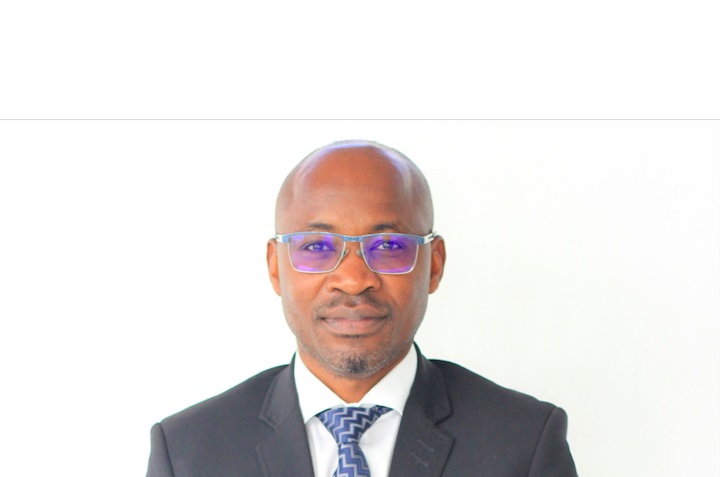
Angola, Africa’s second-largest oil producer, has long been defined by its deepwater operations, which account for over 90 per cent of national oil output. Yet the country is now turning its gaze inland, recognising the untapped potential of onshore concessions. The government’s projection of USD 60 billion in investment across energy and infrastructure over the next five years underscores this strategic shift. In this context, Gianni Gaspar Martins, General Director of Alfort Petroleum, has positioned himself at the intersection of innovation, operational precision, and local empowerment.
Martins’ career, spanning more than 21 years in the energy sector, traces a progression from technical roles at Chevron and Sonangol to the creation of his private ventures, where his vision combines operational excellence with social responsibility. His leadership at Alfort Petroleum exemplifies how local expertise can navigate Angola’s complex energy terrain while aligning with global industry standards.
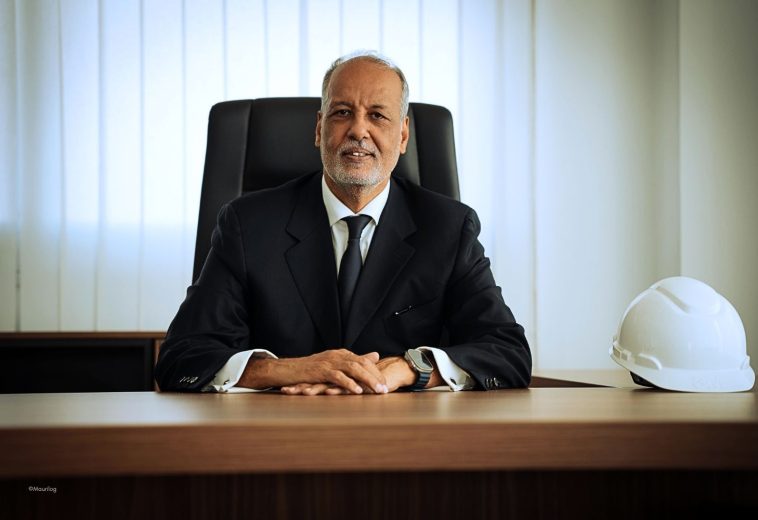
READ ALSO: Mohamed Abdellahi Ould Yaha and the Business of Execution in Mauritania’s Energy Economy
Alfort Petroleum’s journey from a service provider to an exploration and production operator reflects a deliberate, strategic progression. Since securing the production sharing agreement for Block KON 8 in August 2022, the company has concentrated on detailed planning, budget preparation, and environmental assessments. This onshore block, which overlaps parts of the Quiçama National Park, presents both opportunity and responsibility, demanding careful seismic acquisition and environmentally conscious operations.
By early 2026, Alfort had completed 210.5 line kilometres of 2D seismic data, surpassing regulatory requirements and pinpointing areas with high resource potential. Plans to drill the first well on Block KON 8 are moving forward, with exploration investment projected at USD 35 million. This measured approach allows Alfort to optimise operational efficiency while mitigating environmental and financial risk, providing a model of cautious yet ambitious growth for a local operator entering a sector historically dominated by offshore operations.
Martins has emphasised the importance of collaboration with experienced international service providers to ensure technical reliability and adherence to best practices. Local service providers are integrated selectively, fostering domestic capability while leveraging global expertise. In a sector often criticised for environmental oversight, Alfort’s operations in sensitive ecosystems highlight risk mitigation, strict protocol adherence, and contingency planning, signalling a commitment to sustainability.
The establishment of the National Oil, Gas & Biofuels Agency has transformed Angola’s upstream framework, creating a more dynamic and investor-focused environment. Martins notes that the agency’s proactive engagement, including open dialogue on financial guarantees and concession management, has catalysed opportunities for local operators.
Onshore exploration had historically lagged due to conflict zones and logistical constraints. Alfort’s decision to concentrate on a single concession reflects a tactical understanding of these limitations and a commitment to sustainable growth, aligning with Angola’s broader strategy to diversify energy production and stimulate economic development.
Financing, Technology, and Global Integration
Securing capital in the current global energy landscape demands innovation. While traditional banking channels remain cautious, Alfort has accessed financing through private equity and trading houses such as Trafigura and Vitol, enabling operational flexibility and strategic responsiveness.
Technologically, Alfort employs sophisticated seismic acquisition techniques, essentially an ultrasound of the earth to map subsurface potential with minimal environmental disruption. This approach accelerates the timeline from exploration to potential production, a notable advantage of onshore operations compared with the longer lead times of offshore projects.
Social Responsibility and Human Capital Development
Martins’ leadership extends beyond hydrocarbons through the Gianni Gaspar Martins Foundation, which he established in 2020. The foundation’s initiatives address Angola’s structural challenges in education, health, and youth and women’s empowerment. The GEOSTRATES programme, for example, equips young Angolans with geoscience skills and earned international recognition at a German innovation fair. Complementary programmes focus on child nutrition and well-being, female financial inclusion, and scholarships and mentorships to nurture the next generation of leaders.
Sport as a Social and Economic Vector
Martins’ influence also extends into sports through his presidency of Sporting Clube de Luanda. Under his guidance, the club has undergone modernisation, infrastructure investment, and talent cultivation. By late 2025, Sporting Clube de Luanda reported over 200 athletes and 574 members, reflecting the scale and professionalism instilled during his tenure. This dimension of his leadership demonstrates how operational expertise can translate into inclusive, high-impact initiatives in civic life.
Alfort Petroleum’s roadmap over the next five years is ambitious yet calculated. The company aims to progress from exploration to development in Block KON 8 while pursuing additional concessions in the region, particularly in Namibia. Mozambique remains a potential market, though entry requires careful evaluation given infrastructural and security considerations. Martins’ integrated approach, combining operational rigour, strategic partnerships, and social responsibility, reflects a model increasingly relevant to emerging economies. In Angola, local leadership and domestic capital mobilisation are central to energy sector transformation, and Alfort Petroleum exemplifies how measured risk-taking can coexist with sustainable development objectives.
Legacy Through Action
Gianni Gaspar Martins embodies a modern paradigm of leadership in Angola, one where technical expertise, financial strategy, and social impact intersect. His work in energy and philanthropy is defined not by accolades but by tangible outcomes — whether unlocking onshore hydrocarbon potential, fostering human capital, or modernising sports institutions. In an era when Africa’s energy sectors must balance production, sustainability, and inclusivity, Martins’ approach offers both a blueprint and a challenge: that effective business leadership should deliver measurable societal benefit, leaving a legacy rooted in growth, resilience, and human development.