Nigeria’s electricity crisis is often narrated through generation capacity and national grid failures. Less attention is paid to the distribution layer, where financial losses, infrastructure decay and customer mistrust converge. Yet this layer determines whether electricity reforms translate into usable power for households and businesses.
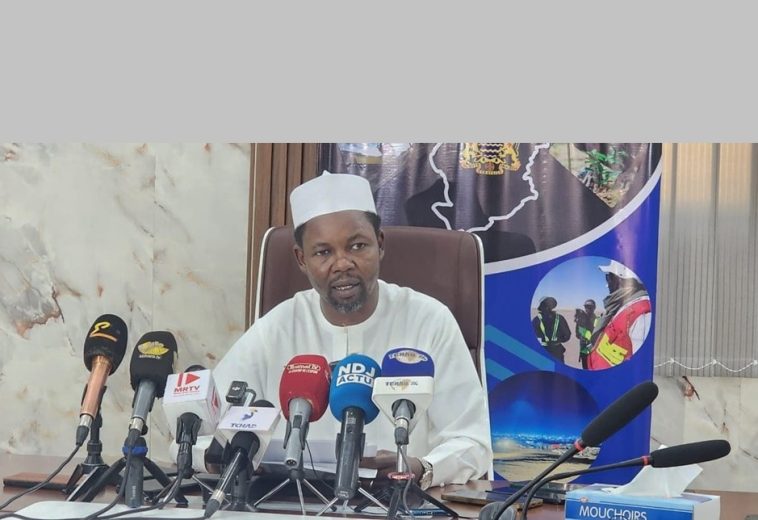
Nigeria generates between 4,000 and 6,000 megawatts for a population exceeding 220 million, but distribution companies lose an estimated 35–45 percent of energy delivered through technical losses, energy theft and billing inefficiencies, according to the Nigerian Electricity Regulatory Commission (NERC). It is within this structurally fragile segment that Dr Abubakar Shuaibu Jimeta operates as Managing Director of Kano Electricity Distribution Company (KEDCO).
READ ALSO: Dr Kaladji Fadiga: The Strategist Behind Côte d’Ivoire’s Export Surge
KEDCO serves Kano, Katsina and Jigawa states, a combined population exceeding 25 million people. The region hosts Nigeria’s largest concentration of small and medium manufacturing enterprises, textile clusters, agro-processing firms and informal industrial activity. Reliable electricity in this corridor is therefore not only a welfare issue, but a productivity variable.
Yet the network Jimeta inherited was characterised by overloaded feeders, obsolete transformers, poor metering coverage and weak revenue recovery. In such a system, infrastructure investment becomes impossible without first stabilising cash flow and operational discipline.
Under Jimeta’s leadership, KEDCO prioritised billing integrity, customer enumeration and loss reduction frameworks. Even modest reductions in aggregate technical, commercial and collection losses have substantial fiscal implications. NERC estimates that a five-percentage-point loss reduction across a large distribution company can recover billions of naira annually in potential revenue.
Jimeta’s administration strengthened feeder monitoring, improved billing accuracy and enforced payment compliance across government and private accounts. These measures were not politically popular, but they were institutionally necessary.
Nigeria’s electricity reform continues to struggle with estimated billing practices, which undermine customer confidence and encourage non-payment. KEDCO expanded its metering programme in line with national policy directives, improving transparency in consumption measurement.
According to NERC data, customers with prepaid meters are significantly more likely to comply with payment obligations than those on estimated billing. Jimeta’s focus on metering, therefore, addressed both revenue and trust deficits.
Recognising the limits of grid dependence, KEDCO under Jimeta pursued solar offtake agreements to support supply stability. This aligns with Nigeria’s broader energy transition strategy, where renewables currently contribute less than 2 percent of grid electricity despite abundant solar potential.
While these renewable contributions remain small in volume, they represent strategic diversification in a system vulnerable to grid collapse and gas supply disruptions.
Nigeria’s distribution companies operate in an environment where tariffs rarely reflect cost recovery, infrastructure financing is constrained, and customer resistance remains high. In this context, leadership success is measured less by service perfection and more by institutional survival and gradual improvement.
Jimeta’s tenure has therefore focused on rebuilding operational order: financial reporting discipline, staff accountability, regulatory compliance and stakeholder communication.
In February 2026, Dr Abubakar Shuaibu Jimeta is scheduled to receive the Distinguished African Business Leadership Impact Award at the African Persons of the Year Awards organised by African Leadership Magazine in Accra, Ghana.
Now in its 15th edition, the POTY Awards are widely regarded as Africa’s most influential leadership recognition platform, with African Leadership Magazine reaching more than 30 million readers across 35+ countries.
The award committee cited Jimeta’s contribution to electricity distribution governance, operational discipline and service stabilisation in Northern Nigeria as the basis for his recognition.
Nigeria’s electricity crisis remains unresolved. Grid fragility persists. Power supply remains insufficient for industrial competitiveness. Distribution reform is incremental, not revolutionary. In this context, Jimeta’s leadership is best understood as institutional management within constraint rather than sectoral transformation.
Electricity distribution is not merely a technical service; it is a financial, regulatory and social governance system. Without revenue recovery, maintenance fails. Without maintenance, outages multiply. Without trust, compliance collapses.
Jimeta’s leadership reflects an understanding of this institutional chain. His work has focused on stabilising the foundations upon which future expansion may eventually stand.