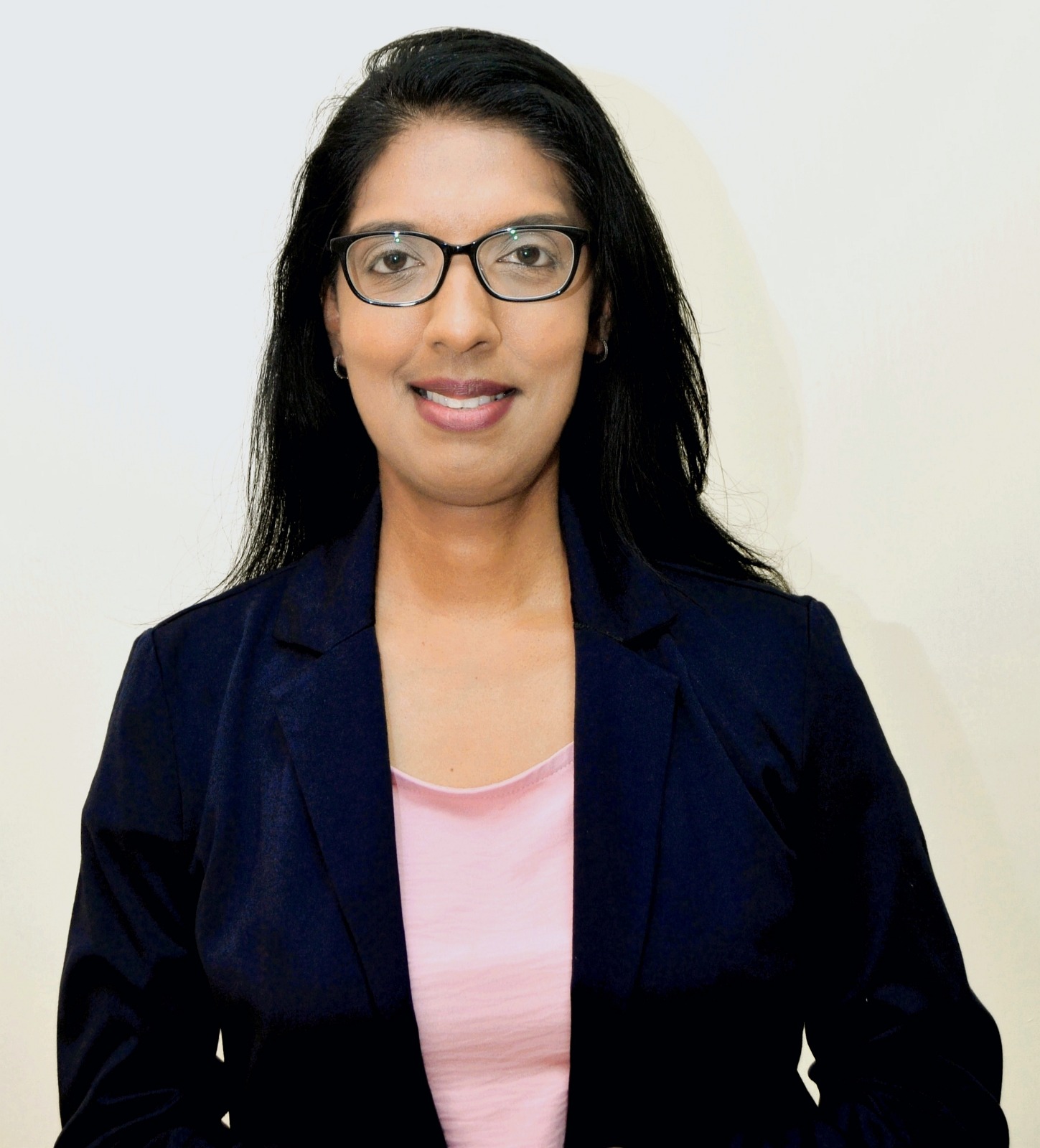
By Selveena Parmanum
“Education is often cited as the ‘passport to the future’, yet a passport is a stagnant document without a road to travel. Throughout my year of advocating for strategic excellence, I have observed a recurring failure: immense human potential remains dormant because there is no functional bridge between theory and execution.
We are navigating an era characterized by ‘permanent chaos’ – where the rapid integration of Generative AI and the fragmentation of the traditional global chains have rendered yesterday’s leadership playbooks obsolete. As we progress through 2026, the traditional leadership paradigm has suffered a total collapse. The era of the solitary leader at the summit is over. Today, the most sophisticated work a leader can perform is constructing the infrastructure that carries an entire ecosystem toward a standard of excellence. This is the very foundation of a modern strategic mandate: ‘Give to Gain’.
READ ALSO: Rwanda and Tanzania Set the Pace for Innovation and Education in Africa
Strategic Reflections: Beyond the Traditional Network
Midway through the 2026 leadership cycle, the concept of the ‘The Power of Your Network’ demands a rigorous re-evaluation. In many emerging markets and global hubs alike, networking is still reduced to a mere transaction – a frantic hunt for a specific contact or an immediate gain. This is a fundamental misunderstanding of modern capital. In an economy defined by non-linear shifts, a network is far more than a digital directory; it is the ‘invisible steel’ of our professional infrastructure.
When we stop viewing connections as a list of names and start treating them as ‘shared architecture’, the perspective shifts: the strength of a bridge depends entirely on the stability we provide to those crossing it. Leadership in 2026 is no longer about ‘collecting’ access; it is about the active reinforcement of the pathways we have established. The success of a professional bridge is not validated by its design, but by the volume of the talent that successfully reaches the other side.
From Gatekeeping to Strategic Facilitation
This evolution requires a radical departure from traditional roles. The legacy model of leadership was anchored in a ‘Command and Control’ hierarchy – a system where information was hoarded at the apex of a pyramid and directives issued from a distance. In a world defined by volatility, that hierarchy is no longer an asset; it is a bottleneck.
To remain competitive. Organizations must transition toward what I define as a ‘Reflective Space’. This is an environment where leadership is a distributed responsibility, and active listening carries more weight than strategic speaking. It required a leader to maintain ‘ground-level’ awareness, staying well connected to the operational realities of their team. The most disruptive and innovative solutions rarely originate from the loudest voice in the room; they emerge from the voice that feels most structurally supported.
When a leader transitions from gatekeeper to facilitator, they dismantle the barriers to entry. True leadership is no longer a headcount of followers; it is a measurement of the paths cleared for others to advance. The ‘steel’ of a professional bridge is forged in these moments of structural support.
The Knowledge Bridge: Anchoring Talent in Global Standards
In a hyper-connected economy, leadership cannot function in a vacuum; local ambition requires a global engine to reach its full velocity. My own trajectory – serving as a Head ABE Ambassador, receiving the Worldwide Top Prize in Information Systems for Strategic Management, and being honored a Commendation Prize for Services to Education – has confirmed that international benchmarks are not restrictive. They are the bedrock of the bridge.
By aligning talent with global frameworks, we establish a two-way flow of value. We import world-class expertise into our immediate circles, and in exchange, we export unique innovations to the global marketplace. A network, when properly leveraged, acts as a force multiplier. When you are integrated into a global ecosystem, you cease to be a solitary manager; you become a gateway. Whether the medium is digital literacy or specialized professional qualifications, the ‘steel’ of the bridge must be reinforced to handle the ambitions of the next generation. If the bridge is structurally unsound, talent is lot to the gaps in the economy. If it is robust, the collective rises.
The ‘Give to Gain’ Philosophy: A Strategic Reinvestment
This brings us to the heart of the 2026 leadership mandate: ‘Give to Gain’ In the obsolete network model, the reflexive question was, ‘what can this person do for me?’ In the modern, inclusive model, the strategic question is: ‘How can I facilitate this person to rise?’ Advocating for inclusive leadership has proven that empowerment is never a zero-sum game. When we invest in high-level mentorship or clear a path for a professional from an unconventional background, we are not performing a mere social gesture; we are strengthening the macro-economic fabric. Raising the floor for one individual inevitably raises the baseline for the entire organization.
‘Give to Gain’ is a calculated strategic investment. Every time a leader shares a technical insight, offers a strategic roadmap, or champions an inclusive policy, they are adding a physical plank to the bridge. This approach recognizes that the dividends of shared knowledge is paid back in the form of extreme loyalty, reduced turnover, and a professional community that remains resilient for decades.
Transitioning from Authority to Infrastructure
Many leaders struggle with this transition due to a legacy mindset that equates the hoarding of knowledge with the retention of power. There is a persistent fear that by sharing expertise too freely, one becomes obsolete. In 2026, the reality is the exact opposite: the leaders who command the most respect are not those who hold all the answers, but those who build the most effective environments for growth. I recall a specific juncture in my career when the path forward appeared obstructed. The obstacle wasn’t a lack of information – the textbooks were already on my desk – but a lack of a bridge. I required a mention who could translate global standards into a localized reality. That single interaction fundamentally altered my professional trajectory, and it is why I am committed to this mission today. We are not just managers; we are bridge-builders.
The Ultimate Question
The definitive measure of a leader today is not the scale of their office or the prestige of their title; it is the width of their impact. We are entering an era where individual success is a direct derivative of the success of those we elevate. If your protégés are not succeeding, your leadership bridge has failed – regardless of your personal KPIs.
As we move beyond the reflections of the International Leadership Week, we must stop viewing networks as simple databases. They are the infrastructure for the future. The ‘passport’ is ready – stamped with every connection nurtured, every student mentored, and every aspiring leader helped to find their voice.
The only question that remains is: ‘Who are you bringing across the bridge with you?’
Author Bio
Selveena Parmanum is a global educational advocate and leadership strategist based in Mauritius. A recipient of the Worldwide Top Prize in Information Systems for Strategic Management and the Commendation Prize Award for Services to Education, she focuses on bridging local talent with international standards. Her 2026 mission, ‘Give to Gain’ champions inclusive empowerment, digital literacy, lifelong learning and a leadership legacy that empowers to cross the ‘bridge’ to global excellence.