Mozambique is entering a pivotal phase in its economic development, moving beyond its traditional role as an exporter of raw materials toward a more ambitious model centred on industrialisation. This shift is embodied in a landmark agreement with China that combines minerals, energy, infrastructure, security, and industrial development within a single strategic framework. The partnership reflects a broader trend across Africa, where resource-rich nations are seeking to transform natural wealth into long-term economic growth through value addition and industrial capacity.
Chinese President Xi Jinping has underscored the importance of this cooperation, stressing China’s commitment to expanding collaboration in infrastructure, energy, and mineral development. For Mozambique, the message is clear: the country aims to move beyond the export of raw resources and build a more diversified and resilient economy. This partnership signals a wider shift in Africa’s resource economies, where strategic alliances are increasingly shaping industrial development.
READ ALSO: Kenya’s Agriculture Secures Landmark China Trade Deal
At the centre of the agreement are Mozambique’s abundant natural resources. These include more than five trillion cubic metres of natural gas in the Rovuma Basin, one of the world’s largest undeveloped reserves, along with valuable minerals such as graphite, lithium, and rare earth elements. Unlike conventional extractive arrangements, the agreement adopts an integrated model that combines geological exploration, local mineral processing, infrastructure development, agricultural trade, and security cooperation.
This model is designed to promote value addition rather than simple resource extraction. It includes support for nationwide geological surveys, the development of processing industries, expanded agricultural exports under zero-tariff arrangements, and infrastructure financing. By linking resource development with industrial and logistical investment, the partnership aims to build a broader foundation for sustainable growth.
The economic relationship between Mozambique and China has deep historical roots. Diplomatic ties were established in 1975 after Mozambique’s independence, initially based on political solidarity. Over time, the relationship has evolved into a comprehensive economic partnership. Today, bilateral trade is valued at approximately $5.4 billion, while China has become one of Mozambique’s leading foreign investors.
Mozambique now benefits from full zero-tariff access for exports to China, a policy introduced in late 2024 that is expected to reduce tariff costs significantly. At the same time, China remains one of Mozambique’s largest creditors, highlighting both the opportunities and the financial obligations that come with the partnership. This dual role as investor and lender reflects the complexity of China’s growing economic presence.
Mozambique’s recent economic challenges have made this partnership even more significant. The country’s economy contracted by 0.5 percent in 2025 following post-election instability, despite a projected GDP of over $22 billion. This downturn has increased the importance of external investment as Mozambique looks for ways to restore growth, strengthen industrial capacity, and reduce economic vulnerability.
China’s integrated development approach differs significantly from that of many Western investors. Chinese financing often combines infrastructure development, industrial investment, long-term execution, and security support into one coordinated framework. Western involvement, by contrast, is often more targeted, focusing on specific mining or equity investments without broader integration into national infrastructure.
For Mozambique, this integrated model offers a potential solution to a long-standing economic imbalance. The country has vast reserves of gas, minerals, and agricultural resources but has historically exported raw materials while importing processed goods. Through new agreements with China, Mozambique is investing in processing plants, industrial zones, and manufacturing linkages that could allow it to capture more value domestically.
Projects such as the Moamba Special Economic Zone illustrate this ambition. These industrial hubs are intended to support manufacturing activity, encourage investment, and integrate Mozambique more effectively into regional and global supply chains. If successful, they could help shift the country from being a resource exporter to becoming an industrial participant in Africa’s growing trade networks.
Security remains a critical part of this development agenda. Since 2017, the insurgency in Cabo Delgado has displaced over a million people and disrupted major gas and mining investments. The inclusion of defence cooperation in the China-Mozambique partnership reflects the recognition that industrial development cannot proceed without security.
This security component complements wider regional efforts led by the Southern African Development Community to stabilise northern Mozambique. It also reinforces Mozambique’s strategic importance as a transport and logistics gateway for Southern Africa, with trade corridors linking the ports of Maputo, Beira, and Nacala to landlocked neighbours such as Zimbabwe, Malawi, and Zambia.
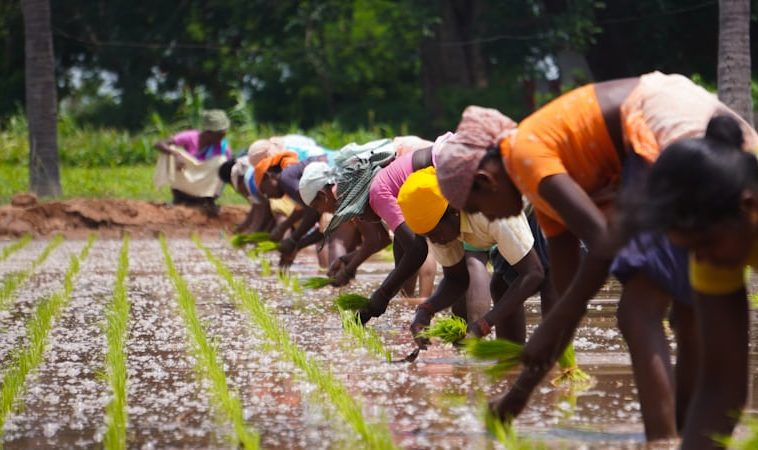
Recent developments demonstrate the scale of the partnership. More than 20 cooperation agreements were signed in 2026, including the launch of the Moamba Industrial Park, the expansion of agricultural projects such as the Wanbao Rice Project, and continued infrastructure investments in transport and port facilities. These initiatives are being reinforced by broader cooperation in healthcare and technical support.
Despite the promise, major risks remain. Rising debt obligations to Chinese lenders could place pressure on public finances. Mozambique continues to import far more from China than it exports, and the insurgency in Cabo Delgado remains unresolved. Without effective industrialisation, the country risks deepening dependency rather than overcoming it.
Governance and transparency will be essential to the success of this strategy. Large-scale infrastructure and industrial agreements require strong oversight to ensure efficiency, manage debt, and prevent corruption. Without these safeguards, the benefits of investment may not translate into broad economic development.
Mozambique’s strategy reflects a broader continental shift. African countries are increasingly moving from simple extraction to value addition, from fragmented agreements to integrated partnerships, and from passive ownership of resources to active industrial policy. This transition is also intensifying global competition for Africa’s critical minerals, energy resources, and strategic markets.
Looking forward, Mozambique has the potential to become a major exporter of liquefied natural gas, a strategic supplier of critical minerals for electric vehicle supply chains, and a key industrial hub for Southern Africa. Whether this vision is realised will depend not only on the availability of resources but on the effectiveness of the strategy guiding their development.
In essence, Mozambique’s partnership with China is more than a bilateral economic deal. It is a test case for whether integrated development models can help African economies move beyond extraction and achieve lasting industrial growth. The outcome will shape not only Mozambique’s future but also the way Africa approaches the next era of global resource competition.