Namibia is rapidly positioning itself as one of Africa’s leading green hydrogen hubs, leveraging its vast renewable energy resources to build a future centred on clean industrialisation and sustainable economic growth. With abundant sunshine, strong coastal winds, and rising international investment, the country is accelerating plans to become a major global supplier of green hydrogen and green industrial products over the coming decades.
Green hydrogen, produced using renewable energy sources such as solar and wind power, is widely regarded as a key solution for reducing carbon emissions across industries including transportation, manufacturing, steel production, and fertiliser manufacturing. As global economies transition towards cleaner energy systems, countries capable of producing low-cost renewable energy are emerging as strategic players in the future hydrogen economy. Namibia has quickly recognised this opportunity and is now pursuing one of Africa’s most ambitious green industrialisation agendas.
READ ALSO: Kenya and France Seal Sh150bn Green Energy and Infrastructure Deals
The country’s long-term vision is particularly ambitious. Namibia aims to produce between 10 and 12 million tonnes of hydrogen equivalent annually by 2050, potentially accounting for approximately 5 to 6 percent of projected global hydrogen trade volumes. Officials believe this could fundamentally transform the national economy, reduce dependence on traditional commodity exports, and establish Namibia as a major clean-energy exporter.
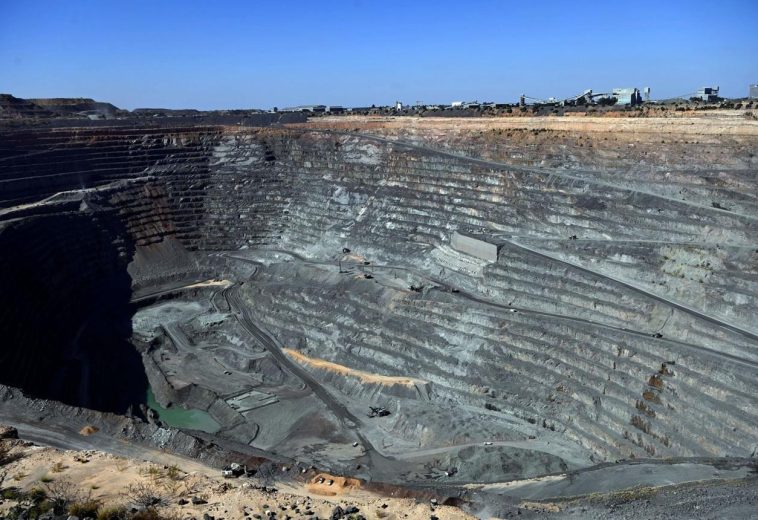
Historically, Namibia’s economy has relied heavily on mining, agriculture, and fishing, with industries such as uranium and diamond mining playing central roles in national revenue generation. However, like many resource-dependent African economies, Namibia has faced challenges linked to fluctuating commodity prices, unemployment, and economic inequality. The green hydrogen sector is now viewed as a strategic pathway for diversification, industrial expansion, and long-term economic resilience.
Between 2021 and 2024, Namibia reportedly attracted approximately N$151 billion in foreign direct investment, much of it linked to energy, mining, and green hydrogen projects. International partnerships have become a major driver of the sector’s rapid development, with European and global investors viewing Namibia as a key destination for future renewable energy exports. The country’s political stability, low population density, and exceptional renewable energy potential have further strengthened investor confidence.
Among the flagship projects driving Namibia’s hydrogen ambitions is the Daures Green Hydrogen Village, a pilot initiative supported by Germany with funding worth approximately €12.2 million. The project focuses on demonstrating green hydrogen production and related industrial applications while helping to build local expertise and technical capacity.
Another major initiative is HyIron Oshivela, which aims to use renewable hydrogen to produce green iron, supporting efforts to move beyond raw material exports towards value-added industrial manufacturing. The project reflects Namibia’s broader strategy of developing domestic industrial capacity rather than relying solely on commodity exports.
The Namibian government is also investing heavily in infrastructure development to support the emerging sector. Upgrades to port facilities, transport corridors, energy systems, and road networks are already underway to accommodate the future export demands of green hydrogen and related industrial products. These developments are expected to improve Namibia’s industrial capacity while strengthening regional trade and logistics networks across southern Africa.
Economically, the impact of Namibia’s Green Industrialisation Agenda could be transformative. Government projections suggest the sector could create approximately 102,000 jobs by 2030 while contributing around N$129 billion to GDP during the investment phase alone. The projects are expected to generate employment opportunities across engineering, construction, logistics, manufacturing, renewable energy, and research sectors. For a country facing high unemployment levels, particularly among young people, the hydrogen economy is emerging as a major source of future economic opportunity.
Despite this strong momentum, Namibia’s green hydrogen ambitions have also encountered challenges. One notable setback came in late 2025 when German energy company RWE withdrew as a key offtaker from the Hyphen Hydrogen Energy project, citing slower-than-expected growth in global hydrogen demand. The development highlighted broader uncertainties within the global hydrogen market, where infrastructure gaps, pricing concerns, and evolving international regulations continue to affect investment decisions.
Nevertheless, Namibia has remained committed to its long-term strategy. Government officials continue to secure new partnerships and emphasise that the country’s objective extends beyond merely exporting raw hydrogen. Instead, Namibia aims to build a fully integrated green industrial economy capable of producing value-added products such as green ammonia, green iron, and renewable energy technologies. This approach reflects a growing trend among African countries seeking to avoid the traditional model of exporting raw resources without securing domestic industrial benefits.
Compared to many African nations still in the early stages of renewable energy development, Namibia is emerging as a continental leader in green industrialisation. Countries such as South Africa, Egypt, and Morocco are also pursuing hydrogen strategies, but Namibia’s combination of natural resources, international partnerships, and strong policy direction has placed it among the most closely watched players in Africa’s clean energy transition.
Namibia’s green hydrogen ambitions represent more than an energy project. They symbolise a broader vision of economic transformation, industrial modernisation, and sustainable development. If successful, the country could evolve from a relatively small resource-based economy into one of Africa’s most important exporters of clean energy and green industrial products, helping shape the continent’s role in the future global green economy.