As dawn breaks over the vast desert landscape near Ouarzazate, thousands of mirrors slowly pivot towards the rising sun. Stretching across the horizon, the shimmering expanse resembles something from a futuristic city rather than a remote corner of North Africa. Yet this remarkable facility is not simply generating electricity. It represents a bold vision of how renewable energy can transform economies, strengthen national security, and reshape a country’s place in the global energy market.
While many discussions about renewable energy focus on climate goals and carbon reduction, Morocco has embraced a broader ambition. The country is using solar power as a strategic tool for economic transformation, industrial development, and long-term energy independence. Through landmark projects such as the Noor Ouarzazate Solar Complex, Morocco is demonstrating how nations with limited fossil fuel resources can convert natural advantages into lasting economic assets.
READ ALSO: Energy Transformation: Namibia’s Path to Green Industrial Growth
For decades, Morocco faced a significant energy challenge. With limited domestic oil and gas reserves, the country relied on imports for more than 90 percent of its energy needs. This dependence exposed the economy to volatile global fuel prices and external supply disruptions. At the same time, Morocco possessed one of the world’s most valuable yet underutilised resources: abundant sunshine.
With more than 3,000 hours of sunlight annually across large parts of the country, policymakers recognised an opportunity to transform the nation’s energy future. Rather than treating renewable energy as an environmental initiative alone, Morocco integrated it into a broader development strategy designed to improve energy security, support industrial growth, and attract investment.
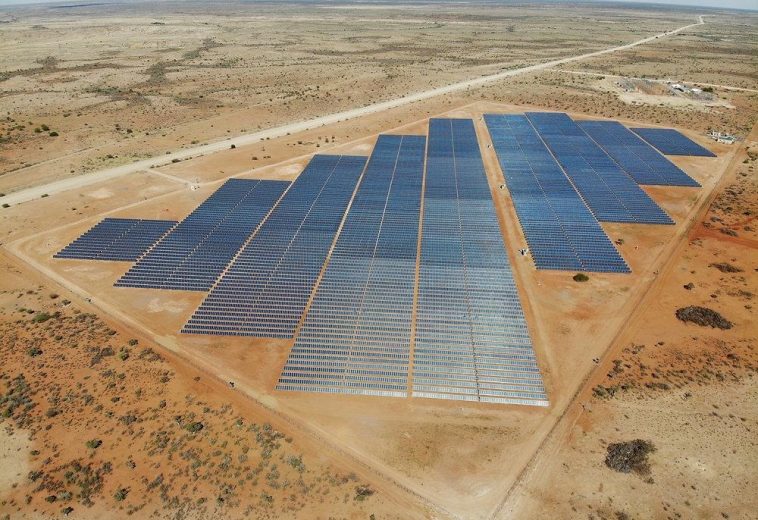
The centrepiece of this strategy is the Noor Ouarzazate Solar Complex, one of the largest solar facilities in the world. Covering more than 3,000 hectares and generating approximately 580 megawatts of electricity, the complex supplies power to well over one million households.
What makes Noor particularly significant is its use of Concentrated Solar Power technology. Instead of relying solely on conventional solar panels, vast arrays of mirrors focus sunlight onto receivers that generate heat. This heat is then used to produce electricity. More importantly, the system stores energy using molten salt technology, enabling electricity generation to continue for up to seven hours after sunset.
This capability addresses one of the greatest challenges associated with solar energy: intermittency. Reliable power remains essential for hospitals, schools, factories, businesses, and water systems. By integrating energy storage into its renewable infrastructure, Morocco has shown that solar power can contribute to grid stability while supporting growing electricity demand.
The economic benefits have been substantial. By reducing dependence on imported fuels, Morocco has strengthened its energy resilience and reduced exposure to global price shocks. Unlike fossil fuels, sunlight is a domestic resource that cannot be disrupted by geopolitical tensions or international market volatility. This contributes to greater long-term economic stability while improving the country’s trade balance.
However, building large-scale solar facilities in arid environments presents unique challenges. Concentrated Solar Power systems require water for cooling and maintenance, yet water scarcity remains a critical concern across much of Morocco.
To address this issue, project developers have introduced advanced water-saving technologies, including dry-cooling systems and more efficient cleaning methods. These innovations demonstrate an important lesson for future renewable energy projects: sustainability must account for multiple resource challenges simultaneously, ensuring that solutions in one area do not create new pressures elsewhere.
Beyond electricity generation, Morocco’s renewable energy strategy is helping to stimulate industrial development. Large-scale projects create demand for engineering expertise, construction services, electrical equipment, grid infrastructure, energy storage systems, and research capabilities. As these industries expand, opportunities emerge for local manufacturing, skills development, and higher-value economic activity.
This shift is particularly important for developing economies seeking to move beyond traditional resource extraction models. Renewable energy offers countries the opportunity not only to generate power but also to participate in the broader value chains associated with clean energy technologies.
Morocco’s ambitions extend far beyond meeting domestic demand. Its geographic location, positioned just across the Mediterranean from Europe, provides a strategic advantage. Existing energy interconnections and growing European demand for clean energy create opportunities for Morocco to export renewable electricity and green hydrogen to international markets.
In this sense, renewable energy is becoming an export industry rather than simply a domestic utility service. Just as hydrocarbon-rich nations used oil and gas to build economic influence during the twentieth century, Morocco is exploring how solar energy and green hydrogen can strengthen its position in the emerging global clean energy economy.
Challenges remain. Expanding transmission infrastructure, increasing storage capacity, securing long-term financing, and ensuring that local communities benefit directly from major projects will require continued attention. These are issues faced by many countries pursuing large-scale energy transitions.
Yet Morocco’s experience offers valuable lessons for Africa as a whole. The continent possesses some of the world’s richest renewable energy resources. As technologies become more affordable and investment continues to grow, African countries have unprecedented opportunities to reduce dependence on imported fuels, expand energy access, strengthen industrial competitiveness, and build new economic sectors.
Perhaps the most important lesson is that renewable energy can be far more than a source of electricity. It can catalyse economic transformation, industrial development, technological innovation, and international competitiveness.
Morocco’s deserts were once viewed as symbols of scarcity and isolation. Today, they are increasingly becoming engines of growth and symbols of possibility. In the decades ahead, Africa’s prosperity may depend not only on the resources buried beneath its soil, but also on the limitless energy shining above it.