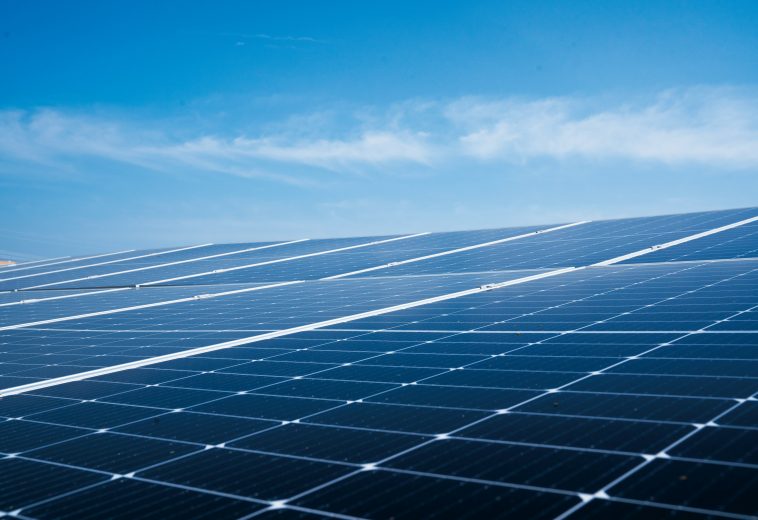
Few countries possess the natural advantages that Namibia enjoys in the race towards a low-carbon future. With vast open landscapes, some of the world’s highest solar radiation levels, and powerful coastal winds, the country is increasingly attracting global attention as a destination for sustainable energy investment. What was once viewed primarily as a mining and agriculture-based economy is now emerging as one of Africa’s most promising clean energy frontiers.
As global demand for renewable power and low-carbon fuels continues to rise, Namibia is positioning itself as a strategic hub for solar energy, wind power, and green hydrogen production. Through ambitious energy projects, supportive government policies, and growing international partnerships, the country is transforming its natural resources into new engines of economic growth, job creation, and long-term development.
READ ALSO: The Desert Advantage: Morocco’s Solar Revolution and the Path to Energy Security
Namibia’s exceptional renewable energy potential provides a strong foundation for this transformation. The country enjoys abundant sunshine throughout the year and strong wind conditions along its Atlantic coastline, making it ideally suited for large-scale energy generation projects. These advantages have attracted growing interest from investors, developers, and international partners seeking reliable locations for sustainable energy production.
Recognising this opportunity, the government has strengthened policies and regulatory frameworks designed to encourage private sector participation. Reforms aimed at streamlining project approvals, supporting independent power producers, and promoting regional energy trade have improved investor confidence and opened new opportunities for international investment.
One of the most significant pillars of Namibia’s long-term energy strategy is the development of a green hydrogen industry. Using renewable electricity to split water into hydrogen and oxygen, the country aims to produce clean fuel for export to international markets. Large-scale projects under development in southern Namibia are expected to position the country among the world’s emerging suppliers of green hydrogen, particularly to European markets seeking alternative sources of low-carbon energy.
Momentum behind these ambitions continues to grow. Throughout 2026, international partnerships and investment engagements have supported the expansion of solar and wind generation capacity while advancing hydrogen-related infrastructure. These developments are helping Namibia diversify its economy beyond traditional sectors such as mining and agriculture while strengthening its role in the evolving global energy landscape.
The country’s reputation as a reliable investment destination is also contributing to its success. Namibia’s stable governance environment, commitment to sustainability, and openness to foreign investment have earned recognition in international climate and energy forums. These factors have helped attract long-term financing for major infrastructure projects and reinforced confidence among global investors.
The benefits extend far beyond energy production. New projects are creating opportunities across multiple sectors, including engineering, construction, logistics, manufacturing, and professional services. Growing demand for technical expertise is also encouraging investment in vocational education and workforce development, helping to equip Namibians with the skills needed to participate in the country’s expanding green economy.
Local communities stand to benefit from this transformation as infrastructure development stimulates economic activity and creates employment opportunities. Small businesses supporting project supply chains, transportation services, accommodation, and maintenance operations are increasingly finding new avenues for growth as investment flows into the sector.
Environmental sustainability remains at the heart of Namibia’s strategy. By expanding renewable power generation and investing in green hydrogen production, the country is reducing dependence on fossil fuels while contributing to global efforts to combat climate change. These initiatives align with international climate objectives and reinforce Namibia’s image as a forward-looking nation committed to sustainable development.
Importantly, Namibia’s approach demonstrates how environmental goals and economic development can work together. Rather than viewing climate action as a constraint, the country is leveraging its natural advantages to attract capital, stimulate industrial development, create jobs, and strengthen energy security.
As investment continues to accelerate, Namibia is steadily redefining its economic future. The combination of abundant natural resources, strategic planning, supportive policies, and international partnerships is positioning the country as one of Africa’s most promising sustainable energy success stories.
The significance of this transformation extends beyond Namibia’s borders. As nations around the world search for cleaner energy solutions and secure supplies of green fuels, Namibia is emerging as an important contributor to the global energy transition. With sustained investment and effective implementation, the country has the potential not only to power its own development but also to become one of Africa’s leading exporters of clean energy and a model for green economic growth.