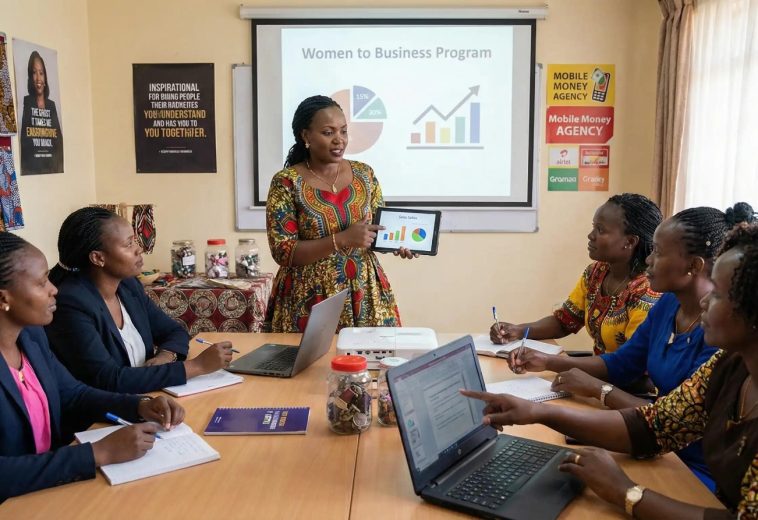
Africa’s response to climate change is entering a new phase. Rather than being defined solely by vulnerability, the continent is increasingly using innovation, entrepreneurship and climate-smart solutions to create jobs, strengthen food security and build more resilient economies. Green businesses, sustainable agriculture and renewable energy are becoming powerful drivers of economic growth, particularly for women and young people.
Although Africa contributes less than 4% of global greenhouse gas emissions, it remains one of the regions most affected by rising temperatures, extreme weather and environmental degradation. Instead of viewing these challenges as insurmountable, governments, development partners and entrepreneurs are investing in practical solutions that improve livelihoods while protecting natural resources.
READ ALSO: Climate Champions: African Women at the Heart of Climate Innovation
Women are central to this transformation. Because many rely on agriculture for their livelihoods, they are often the first to feel the impact of climate change. Through initiatives supported by the Africa Climate Change Fund, UN Women and other development partners, more women are gaining access to climate-smart farming techniques, improved seeds, water-efficient technologies and microfinance. Studies suggest that empowering women farmers can increase household productivity by as much as 30%, while improving food security and family incomes.
Legal reforms that expand women’s access to land ownership are also strengthening long-term resilience. Greater control over land and financial resources enables women to invest confidently in sustainable farming, diversify household incomes and contribute more actively to local economic development.
Young Africans are also driving the continent’s green transition. Through programmes such as Climate Action Africa and YouthADAPT, entrepreneurs are developing solar energy businesses, sustainable farming enterprises and digital platforms that help communities adapt to changing weather conditions. Mobile applications providing localised weather forecasts and early warning systems are helping farmers make better planting and harvesting decisions, reducing crop losses and improving productivity.
Climate-smart agriculture is becoming increasingly important for the millions of smallholder farmers who produce most of Africa’s food. Technologies such as satellite monitoring, drought-resistant crops and index-based insurance are helping farmers manage climate risks while protecting incomes. Public and private sector partnerships are expanding access to these innovations, making agriculture more productive and resilient.
Investment is accelerating this progress. Climate finance flowing into Africa exceeded US$10 billion in 2026, supporting renewable energy, sustainable agriculture and environmentally focused small businesses. These investments are creating new opportunities in sectors ranging from solar irrigation and clean energy to waste recycling and environmental services, while encouraging women and young entrepreneurs to build businesses that address local challenges.
Access to finance remains equally important for women. Village Savings and Loan Associations and other community-based financing models are enabling female entrepreneurs to invest in climate-resilient farming, small businesses and alternative sources of income. Combined with better access to climate information and modern farming technologies, these initiatives are improving household resilience and economic independence.
Africa’s vast renewable energy resources further strengthen its long-term prospects. With the potential to generate more than 1,000 GW of renewable energy by 2030, the continent is well placed to combine climate action with industrial growth. While many countries have incorporated climate priorities into national development plans, greater investment, stronger institutions and improved implementation will be essential to unlock this potential fully.
Significant challenges remain. Current climate finance still falls well short of the estimated US$310 to US$365 billion needed each year for adaptation and mitigation. Expanding public and private investment, restoring degraded ecosystems through initiatives such as the Great Green Wall, reducing methane emissions and strengthening climate policies will all be critical to sustaining progress.
Africa’s climate story is no longer defined only by risk. Across the continent, entrepreneurs, farmers and innovators are proving that environmental action can also drive economic opportunity. By investing in green businesses, climate-smart agriculture and inclusive policies, Africa is creating jobs, strengthening communities and building more resilient economies. As innovation and investment continue to grow, the continent is showing that tackling climate change can become a powerful catalyst for sustainable development and shared prosperity.