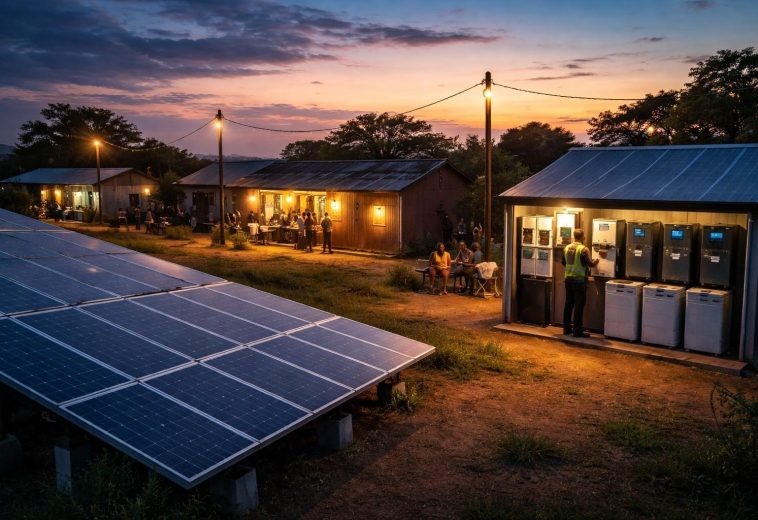
A new era of healthcare self-sufficiency is emerging across Africa as the changing landscape of development assistance encourages homegrown solutions and stronger health systems. According to the Economic Commission for Africa, health-focused aid has fallen from approximately USD 80 billion in 2021 to just USD 39 billion in 2025, a reduction of more than 50% in four years. This shift is prompting African nations to strengthen domestic health financing, unlock local resources, and position the continent as a more self-reliant pharmaceutical hub capable of protecting public health for generations to come.
The decline in external aid is not a temporary fluctuation but a structural retreat by traditional donors. Official development assistance (ODA) for health recorded a dramatic single-year decline of 23.1% as major contributors, including the United States, Germany, the United Kingdom, and France, reduced their commitments. This pullback represents the most significant contraction in global health funding in decades, placing added pressure on health systems that have historically relied on external support. The shift in U.S. policy, particularly the reorganisation and budget cuts surrounding USAID, has widened the funding gap, signalling a new reality in which African nations can no longer rely on the predictability of foreign aid to sustain essential health services.
READ ALSO: Healthcare from the Sky: How Medical Drones Are Saving Lives Across Africa
As external funding declines, a greater share of healthcare costs is falling directly on individuals, creating a cycle of poverty and poor health. Households currently finance approximately 37% of Africa’s total health expenditure through out-of-pocket payments. This financial burden pushes more than 150 million Africans into poverty each year, forcing many families to choose between life-saving treatment and financial hardship. The World Health Organisation has long warned that when out-of-pocket spending exceeds 15–20% of total health expenditure, it becomes a major obstacle to achieving universal health coverage. Africa’s average is nearly double that threshold, highlighting a structural imbalance that continues to worsen as external funding declines.
At the same time, many African governments face severe fiscal constraints, limiting their ability to replace the funding once provided by development partners. Rising public debt now consumes a significant share of national revenue. The average debt-to-GDP ratio in sub-Saharan Africa has doubled over the past decade, reaching nearly 60%, restricting investment in healthcare. Data from the African Development Bank shows that interest payments on external debt have risen sharply, in many cases exceeding public health expenditure. Combined with post-pandemic economic pressures and the growing frequency of climate-related disasters, these challenges have left governments with limited resources to expand healthcare budgets, leaving health systems short of both operational funding and long-term investment at a critical time.
One of the most important responses to this challenge is a renewed focus on domestic resource mobilisation. This requires more than incremental budget increases; it calls for innovative financing mechanisms that create additional fiscal space. Digitising tax collection systems can significantly reduce tax evasion and broaden the tax base, while health-specific levies, such as taxes on sugar-sweetened beverages, offer the dual benefit of generating revenue and reducing the incidence of non-communicable diseases. South Africa’s implementation of a sugar tax, for example, generated more than ZAR 5 billion during its first two years. In addition, financial instruments such as diaspora bonds and debt-for-health swaps can redirect external debt obligations into domestic health investments, allowing debt repayments to support healthcare programmes.
The vulnerability exposed within medical supply chains also underscores the urgent need to strengthen local pharmaceutical production. Africa imports more than 80% of its pharmaceuticals and 99% of its vaccines, making the continent highly dependent on external suppliers, particularly when foreign exchange is scarce or donor-funded procurement programmes are reduced. Expanding regional manufacturing under the African Continental Free Trade Area (AfCFTA) is no longer simply an industrial policy objective but a public health priority. The Africa CDC’s goal of producing 60% of the continent’s vaccine requirements locally by 2040 provides an important benchmark. Achieving this will require harmonised regulatory standards and coordinated procurement across Regional Economic Communities to make locally manufactured medicines both competitive and sustainable.
Protecting citizens from catastrophic healthcare costs will also require a significant expansion of risk-pooling mechanisms. Strengthening National Health Insurance Schemes is essential for consolidating fragmented funding into systems that offer broader financial protection, particularly for vulnerable populations. Ghana’s National Health Insurance Scheme, financed through a 2.5% levy on goods and services, demonstrates how fiscal policy can support wider access to healthcare, although challenges remain in expanding coverage. Looking ahead, regional insurance pools and cross-border health coverage could help protect mobile populations and seasonal workers. At the same time, mobile money-enabled micro-insurance products provide an affordable and scalable way to enrol millions of people working in the informal economy, replacing unpredictable out-of-pocket spending with manageable premiums.
In the short term, households can also take practical steps to manage the impact of a more constrained healthcare financing environment. Setting aside an emergency medical fund covering three to six months of essential healthcare expenses can provide a buffer against unexpected medical costs. This approach can be strengthened through automated savings tools, including mobile health wallets that round up everyday transactions into dedicated savings accounts. Communities can further strengthen financial resilience through health savings groups. Countries such as Senegal have successfully implemented community-based mutual health organisations (mutuelles de santé), enabling rural communities to pool contributions, negotiate service costs with healthcare providers, and improve financial protection at the local level.
Individuals can further reduce healthcare costs by making informed decisions about how they access treatment. Choosing generic medicines, where appropriate, can lower pharmaceutical expenses by as much as 80%, since these medicines meet the same safety and effectiveness standards as their branded equivalents. Accessing medicines through non-profit or faith-based community pharmacies can also reduce costs by avoiding the higher mark-ups often found in commercial retail outlets. Patients can equally benefit from requesting transparent cost estimates before undergoing elective procedures and making greater use of free public health services for preventive care, maternal healthcare, and immunisation programmes. These measures help preserve limited household resources for specialised treatments that may not be available through public facilities.
The wider consequence of declining health funding is the risk of reversing decades of public health progress. UNAIDS has warned that a 25% reduction in funding last year could slow progress against HIV, a disease for which Africa accounts for 64% of global cases, potentially resulting in millions of additional infections and deaths by 2030. Similar concerns exist for other communicable diseases. The WHO’s Global Tuberculosis Report notes that international funding for tuberculosis programmes in low- and middle-income countries has long been insufficient, and recent funding cuts threaten to increase diagnostic and treatment backlogs. In maternal and child health, every reduction in funding raises the risk of preventable deaths and jeopardises progress towards achieving the Sustainable Development Goals across the continent.
Ultimately, the decline in external aid presents one of the greatest tests of Africa’s health systems, but it also offers an opportunity to build stronger and more self-reliant institutions. Achieving this transformation will depend on three key pillars: sustained political commitment to public health investment, stronger regional cooperation in pharmaceutical production and health insurance, and continued innovation in digital health financing and service delivery. Above all, healthcare must be viewed not as a cost that strains public budgets but as an investment in human capital that underpins economic growth and national resilience. Without decisive action, the funding gap risks undermining decades of progress. With the right policies and partnerships, however, Africa can build a health system that is stronger, more resilient, and less dependent on the shifting priorities of external donors.