Africa’s investment story is gradually changing. For decades, much of the continent’s appeal to international investors was built around its natural resources, with capital flowing into oil, gas and mining projects designed primarily to extract and export raw materials. Today, a different opportunity is beginning to emerge: using Africa’s resources, markets and infrastructure to build productive industries that capture more value within the continent.
The shift is being encouraged by changes in global supply chains and growing demand for energy, critical minerals, food, digital services and manufactured goods. UN Trade and Development reported that foreign direct investment into Africa reached about US$70 billion in 2025, while investment is increasingly being directed towards strategic sectors. The challenge now is to ensure that these flows contribute to broader economic transformation rather than simply increasing the value of capital entering the continent.
READ ALSO: Building Confidence: South Africa’s Investment Revival
This distinction matters. An investment in a mine can generate exports and government revenue, but an integrated industrial project can create much wider economic opportunities. Processing minerals locally can create manufacturing jobs, develop technical skills and generate demand for transport, energy, engineering and financial services. The same principle applies to agriculture, where investment in storage, processing and distribution can create more value than exporting raw crops.
Africa’s critical minerals sector offers one of the clearest examples of this opportunity. The continent possesses major reserves of minerals needed for renewable energy technologies and advanced manufacturing. Yet the International Energy Agency notes that Africa currently has only a small number of facilities dedicated to critical-mineral beneficiation and processing, alongside a limited number of plants manufacturing energy technologies.
Moving further up the value chain could change this picture. Instead of exporting minerals in their raw or minimally processed form, African countries can pursue opportunities in refining, material production, component manufacturing and, where commercially viable, technology production. This would allow more of the economic value generated by global demand for clean-energy technologies to remain within African economies.
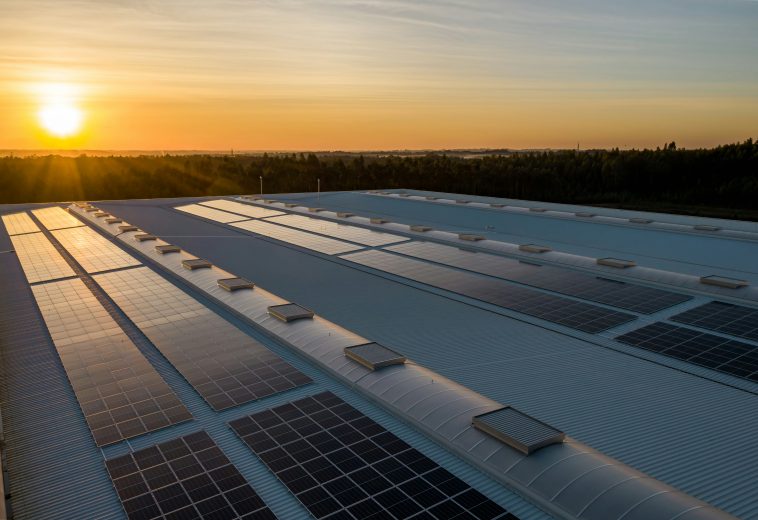
Infrastructure will determine how quickly this transition can happen. Industrialisation requires reliable electricity, efficient transport, storage facilities, ports, digital networks and access to finance. A mining operation cannot become the foundation of a manufacturing ecosystem if power supplies are unreliable or if moving goods across borders remains prohibitively expensive.
The Africa Finance Corporation’s 2026 infrastructure report makes this point clearly, arguing that infrastructure should be viewed as an integrated ecosystem rather than a collection of individual projects. It identifies energy, transport, logistics, manufacturing and digital systems as interconnected foundations for economic transformation. The report also highlights the opportunity to expand downstream processing in areas including steel, aluminium, fertilisers, refining and metals.
Regional integration will be equally important. Many African countries do not individually possess the market size, capital or industrial capacity required to build complete value chains. Cooperation through the African Continental Free Trade Area can allow countries to specialise while creating larger regional markets for their products. One country may supply minerals, another process them, while others provide components, logistics, energy or final markets.
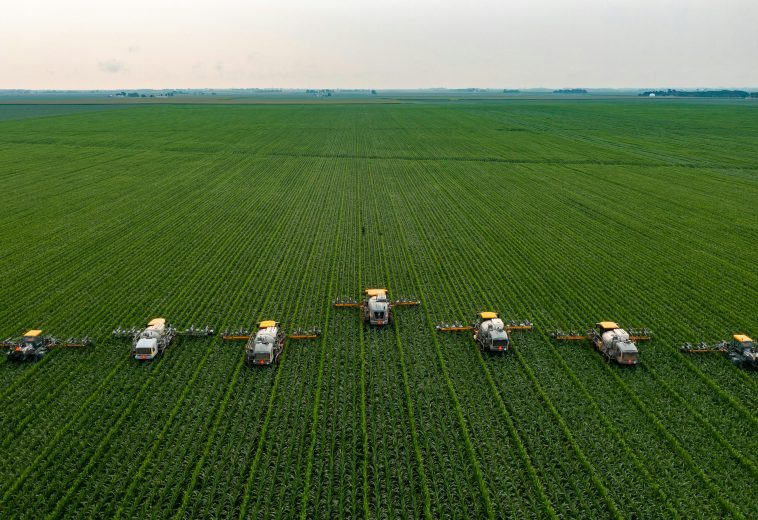
Agriculture provides another major opportunity. Africa imports large quantities of food and processed products despite possessing significant agricultural potential. Investment in irrigation, cold chains, agro-processing, packaging and distribution could help reduce these import pressures while creating new manufacturing and employment opportunities.
The same logic is emerging in digital services and pharmaceuticals. Africa’s growing population and expanding consumer markets are creating demand that can support local production. Digital infrastructure can enable businesses to serve regional and global customers, while pharmaceutical manufacturing can strengthen health supply chains and reduce dependence on imports.
For investors, this shift offers a broader opportunity than traditional resource projects. Industrial platforms can generate multiple revenue streams and create networks of suppliers and customers around major investments. For governments, however, attracting capital is only the first step. Policies must encourage local value addition, skills development, technology transfer and links between large projects and domestic businesses.
The opportunity is also becoming more urgent as global supply chains are being redesigned. Companies and governments around the world are seeking more diversified sources of minerals, energy, food and manufactured goods. Africa can benefit from this search if it positions itself not simply as a source of raw materials, but as a reliable production partner.
The continent’s next investment chapter, therefore, should be measured not only by how much money arrives, but by what that money builds. If capital can be channelled into processing plants, industrial parks, logistics corridors, energy systems, technology and skilled workforces, Africa can move closer to transforming its resource wealth into lasting productive capacity.
The goal is no longer simply to attract investment. It is to turn investment into production, production into jobs, and resources into enduring African value.