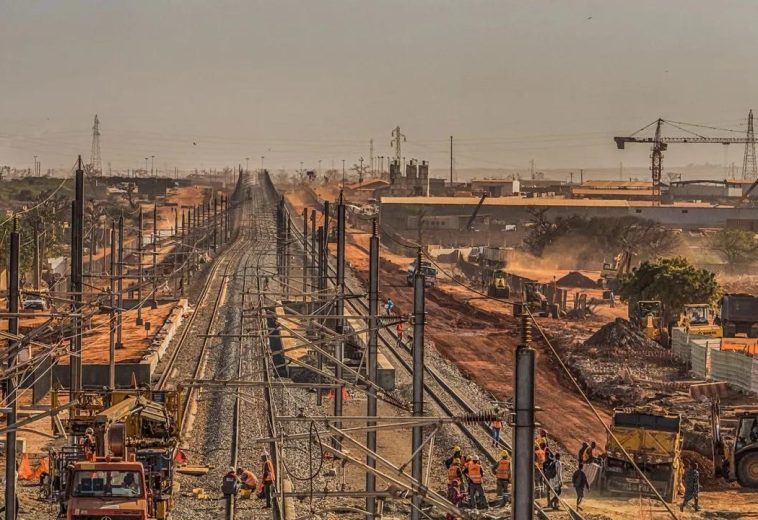
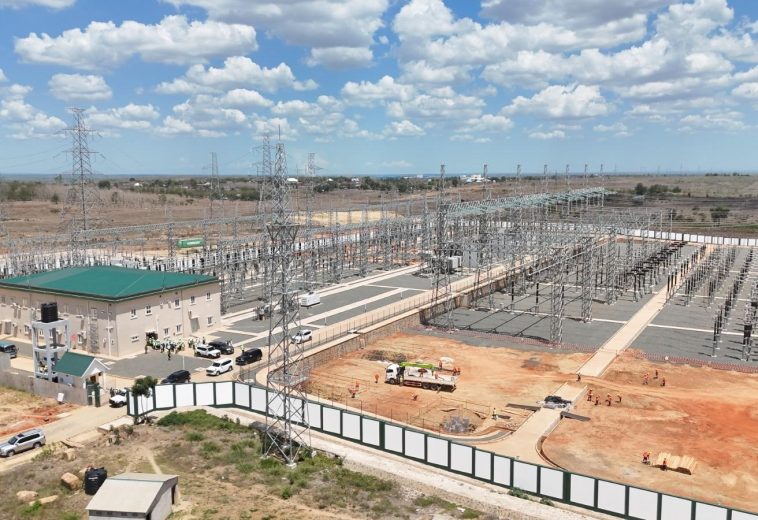
Africa is at a striking moment of opportunity. With its youthful population set to reach over 2.2 billion by 2050, the push for sustainable infrastructure has never been more promising. A great example is Africa50’s $50 million commitment to the AGIA-PD fund, sparking momentum for green growth, economic resilience and lasting self-reliance.
Africa’s infrastructure deficit is both a cause and consequence of underdevelopment. According to the African Development Bank, Africa needs an estimated $130–$170 billion annually to meet its infrastructure needs, yet current investments fall short. The recent $50 million commitment from Italy’s Cassa Depositi e Prestiti and France’s Proparco aims to fill a critical gap: initial project development funding that de-risks investments and accelerates project readiness.
READ ALSO: Africa’s Data Economy: Building the Infrastructure for an AI-Powered Future
Africa’s green transition isn’t held back by ambition or capital, but by a severe project preparation gap. Feasibility studies, impact assessments and legal structuring can consume 5–10% of total costs before construction begins. With an annual infrastructure financing gap of $68–$108 billion, the real bottleneck is moving projects from concept to bankability. Fewer than 10% of sub-Saharan infrastructure projects reach financial close; most perish in the “valley of death” between an idea and investment-ready status.
The AGIA-PD initiative aims to mobilise $400 million to unlock $10 billion in later-stage investment, a 25-fold multiplier validated by the G20’s Global Infrastructure Hub, which documents that every $1 in early-stage funding can unlock $15–$40 downstream. This leverage works because concessional capital transforms conceptual risk into structured, bankable assets that the world’s $100 trillion in institutional capital can finally access.
Africa’s external debt surpassed $1.1 trillion in 2023, with 22 countries in or near debt distress. Sovereign bonds and opaque resource-backed loans have often mortgaged future revenues from ports, railways and minerals without generating projected returns. The balanced approach of asset recycling, blended finance and local ownership isn’t protectionism; it’s a hard-won strategy to ensure green infrastructure serves national development rather than external creditors.
Asset recycling—leasing mature brownfield assets to private operators to fund new projects—preserves sovereignty while attracting capital. South Africa’s REIPPPP mirrors this by bringing in private investment without transferring grid ownership. Reinvesting proceeds from leasing an existing port terminal into climate-resilient transport corridors and mini-grids captures private efficiency while keeping strategic direction and balance-sheet capacity in national hands.
Africa adds roughly 20 million people annually and is projected to reach 2.5 billion by 2050. Over 600 million people lack electricity, and without intervention, this number will rise. Decentralised clean-energy mini-grids and stand-alone solar offer a viable leapfrog pathway. The IEA confirms that distributed renewables are the least-cost way to electrify half of the unserved population, making project-preparation funding for modular, climate-resilient assets a demographic necessity.
Cross-border transmission and regional power pools are quick wins for energy security, yet over 80% of AUDA-NEPAD’s 50 priority interconnection projects remain stuck at the concept stage. The West African Power Pool proves the model: trading surplus hydropower and gas-fired electricity has cut power costs by 10–20% in importing nations. Modest preparation capital to complete the legal, environmental and financial structuring of these pools could deliver continent-wide grid stability.
Currency mismatch—dollar debt versus local-currency revenue—is one of the biggest threats to African infrastructure bankability. The TCX fund shows that hedging can make projects investable, but coverage remains limited. Structuring deals with development-finance first-loss tranches and local pension-fund co-investment aligns investor returns with national interests, ensuring solar-plant revenues serve local pensioners first and anchor local supply chains.
Africa50’s $50 million project-development fund institutionalises the pipeline model. A dual structure—a development fund absorbing early-stage risk and a finance vehicle investing once projects are de-risked—has proven its worth: a $5 million investment in Malawian solar development unlocked $67 million in construction financing. This transforms the state from a grant supplicant into a commercially minded project sponsor that retains the asset for its citizens.
The $400 million AGIA-PD target is a strategic assertion that Africa will control the intellectual and legal architecture of its green transition. Owning the feasibility studies, assessments and structuring mandates means African institutions determine technology choices, corridor routes and benefit distribution. Investing in this knowledge layer—design, planning and legal structuring—is the sovereign act of writing Africa’s own green pipeline, ensuring the $10 billion that follows builds resilient, inclusive prosperity rather than extractive enclaves.