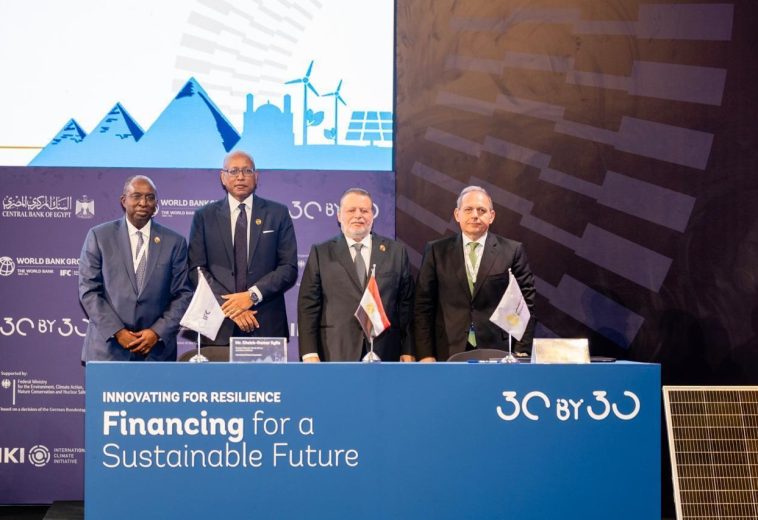
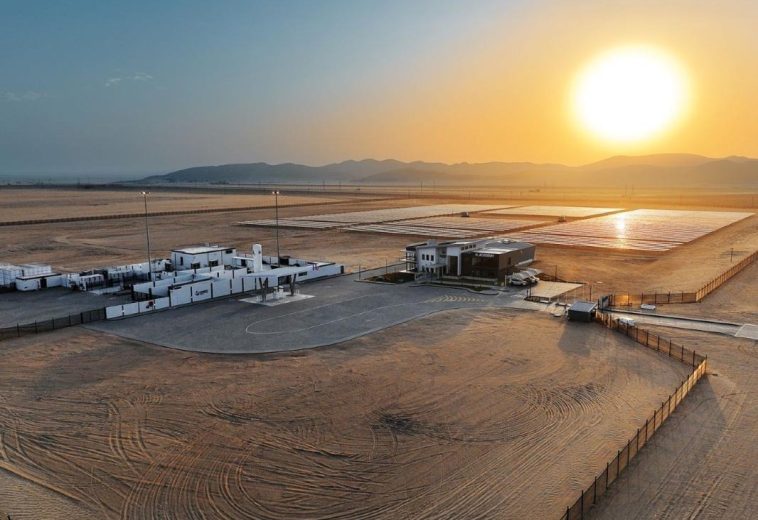
Egypt is taking important steps to strengthen its sustainable-finance framework as the country’s Financial Regulatory Authority develops a phased roadmap for implementing international sustainability disclosure standards. The initiative reflects a broader shift in how financial markets assess environmental, social and governance considerations, while positioning Egypt to attract investment into a greener and more resilient economy.
The roadmap centres on the International Financial Reporting Standards Foundation’s sustainability disclosure standards, which are designed to provide investors with more consistent and comparable information about sustainability-related risks and opportunities facing companies.
READ ALSO: Africa’s Dual Advantage: Critical Minerals and Green Energy Potential
The development comes as sustainable finance becomes increasingly important to global investment decisions. Investors are looking beyond immediate financial performance and paying greater attention to how businesses manage climate risks, environmental pressures, governance challenges and other factors that could influence long-term performance.
For Egypt, establishing a stronger sustainability disclosure framework could therefore have implications well beyond corporate reporting.
The Financial Regulatory Authority has been working with international partners, including the European Union and the United Nations Development Programme, to strengthen sustainability management and disclosure in the country’s financial and corporate sectors. The cooperation reflects the growing recognition that African financial markets need stronger systems for measuring and communicating sustainability-related risks.
Egypt’s proposed approach is deliberately phased. The transition is expected to move from simplified climate-related disclosures towards the implementation of international sustainability disclosure standards and eventually a more comprehensive reporting framework. This gradual process recognises that companies need time to build the systems, expertise and governance structures necessary to produce reliable sustainability information.
That preparation is critical. Sustainability reporting is not simply a matter of adding environmental figures to an annual report. Companies need reliable systems for collecting data, internal controls for verifying information and management structures capable of identifying and responding to sustainability-related risks.
For smaller businesses, these requirements can be particularly challenging. A phased system can therefore allow companies to develop their capabilities gradually rather than imposing complex requirements immediately.
The wider objective is to improve the quality of information available to financial markets. Investors need credible information when deciding where to place capital. If companies report sustainability information using different methodologies, it becomes difficult to compare their performance or assess their exposure to climate-related risks.
Internationally recognised standards can help create greater consistency. For Egypt, this could strengthen its position as an investment destination by making Egyptian companies more transparent to investors who incorporate sustainability considerations into their investment strategies.
The potential benefits also extend to corporate governance. When businesses are required to identify and report sustainability-related risks, they may become more conscious of how those risks affect their operations. This can encourage stronger internal controls, more effective risk management and greater accountability at board level.
The financial sector also has an important role to play. Banks and investment institutions can use sustainability information to assess the risks associated with companies and projects seeking financing. Better information can help financial institutions identify opportunities for sustainable investment and support the growth of instruments such as green bonds and sustainability-linked financing.
This is particularly relevant as African economies seek to mobilise private capital for infrastructure, renewable energy and climate resilience. Government resources alone cannot meet the continent’s financing needs. Private investment will therefore be essential, but investors require transparency, reliable information and confidence in the markets in which they operate.
Egypt’s initiative could contribute to the wider development of sustainable finance across Africa. It also creates opportunities for skills development, with growing demand for professionals in ESG analysis, climate-risk assessment, sustainability accounting, data management and corporate governance.
However, implementation will determine whether the initiative achieves its full potential. Regulations can establish the framework, but businesses need the capacity to comply, while regulators and assurance providers need sufficient expertise to monitor and verify disclosures.
The real value of sustainability reporting should ultimately extend beyond compliance. If businesses use the information to identify risks, improve efficiency and strengthen governance, it can contribute to long-term competitiveness.
Egypt’s move towards stronger sustainability disclosure standards is therefore more than a technical change in financial reporting. It is part of a broader effort to create a financial environment capable of attracting capital for a greener, more resilient economy.
If effectively implemented, the framework could strengthen transparency, improve investor confidence and support sustainable investment. For Egypt and Africa more broadly, the transition demonstrates that building a greener economy requires not only renewable energy and climate investment, but also strong institutions, credible information and financial markets capable of mobilising capital for sustainable growth.