Nigeria is seeking to strengthen its position at the centre of Africa’s technology revolution, with GITEX Nigeria 2026 placing the country’s digital ambitions firmly in the spotlight.
Running from 31 August to 3 September in Abuja and Lagos, the event brings together government agencies, technology companies, investors, banks, startups and regulators. Its central theme, “Beyond Connectivity: The Bridge to Sovereign AI and Innovation,” reflects a changing technology agenda, one focused not only on connecting people, but on building the capacity to develop and own the technologies of the future.
READ ALSO: DIASPORA & INNOVATION: Africa’s Silicon Valley Bridge
The opportunity extends well beyond Nigeria.
As Africa’s largest economy and one of its most active technology markets, Nigeria has the population, entrepreneurial ecosystem and consumer demand to become a major technology hub. Yet it also faces challenges that illustrate the wider difficulties confronting African economies, including unreliable infrastructure, limited access to capital and skills gaps.
Artificial intelligence is now reshaping the global technology landscape. Businesses are adopting AI across finance, healthcare, agriculture, logistics and public administration. For Nigeria, the opportunity is to move from being a large market for imported technologies to becoming a producer and exporter of digital solutions.
The foundations are already developing. GITEX Nigeria is bringing together more than 150 federal and state agencies, 40 banking institutions, more than 300 investors and over 1,000 startups, creating a platform for partnerships and investment.
But venture funding alone cannot build a technology powerhouse.
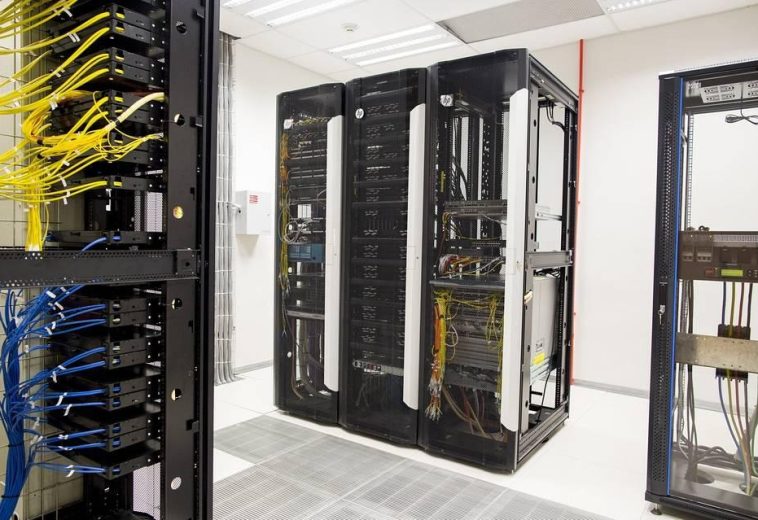
Startups need reliable electricity, broadband, cloud services and data centres. AI companies require computing capacity and high-quality datasets. Fintech businesses depend on secure payment infrastructure. Without these foundations, innovation can struggle to move beyond individual success stories.
This is why Nigeria’s digital infrastructure agenda is increasingly important.
The country’s technology ambitions also intersect with Africa’s wider push for digital sovereignty. As AI becomes more powerful, questions around data ownership, local computing capacity and technological dependence are becoming increasingly important.
Language and local context provide another opportunity.
Nigeria’s linguistic diversity means imported AI systems may not always adequately reflect local languages, cultures and business realities. Developing local datasets and AI tools could allow Nigerian companies to create products designed for African markets and eventually export them to other regions.
The potential applications are extensive. In agriculture, AI can help farmers identify crop diseases and improve productivity. In healthcare, digital tools can support diagnosis and expand access to specialist knowledge. In financial services, technology can improve fraud detection and extend access to credit. In logistics, digital platforms can make transportation and supply chains more efficient.
The challenge is turning individual innovations into an ecosystem capable of operating at scale.
This requires stronger links between universities, startups, large companies and government. Young people need practical technology skills, startups need access to growth-stage financing, and researchers need stronger connections with industry.
Regulation will also determine how quickly the ecosystem develops. Technology markets evolve rapidly, while regulations can struggle to keep pace. Nigeria will need policies that protect consumers and data without creating unnecessary barriers for entrepreneurs.
Regional integration presents another opportunity. Nigerian technology companies can potentially serve markets far beyond Nigeria, particularly as African economies deepen digital trade. Harmonised regulations, cross-border payments and improved connectivity could make it easier for successful companies to expand across the continent.
Human capital will remain central to this ambition. Technology economies depend on software engineers, researchers, cybersecurity specialists, entrepreneurs and other skilled professionals. Nigeria already has a large pool of young technology talent, but retaining and developing that talent will require sustained investment in education and infrastructure.
GITEX Nigeria provides an important platform for bringing these priorities together. Its focus on AI, cybersecurity, digital infrastructure, innovation funding, smart cities and financial technology reflects the breadth of Africa’s emerging digital economy.
For Nigeria, however, the opportunity is bigger than hosting a major technology event. It is about using the momentum around digital transformation to attract investment, strengthen infrastructure and build companies capable of competing globally.
Africa’s technology future will not be determined by one country. But Nigeria has the scale, entrepreneurial energy and market potential to play a leading role.
If it can combine its startup culture with reliable infrastructure, effective regulation, stronger skills development and sustained investment, Nigeria could become more than Africa’s largest technology market. It could become one of the continent’s leading technology producers, investors and exporters.
The next chapter of Africa’s digital economy will be defined not simply by who adopts technology fastest, but by who has the capacity to build, own and scale it.