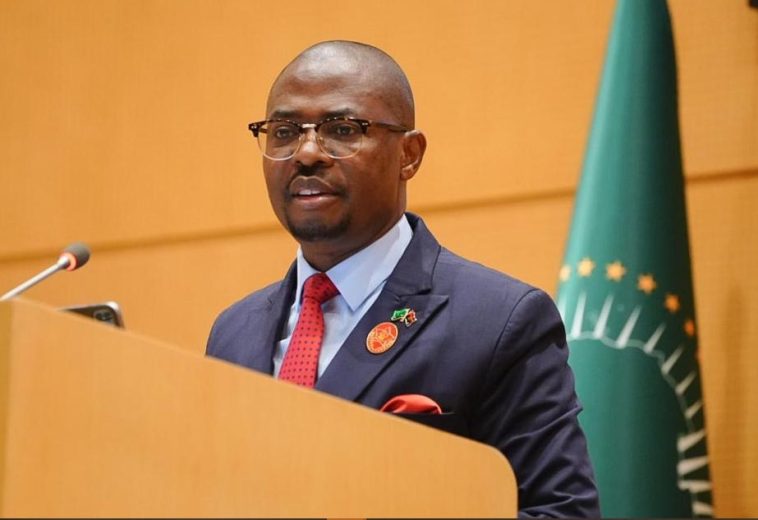
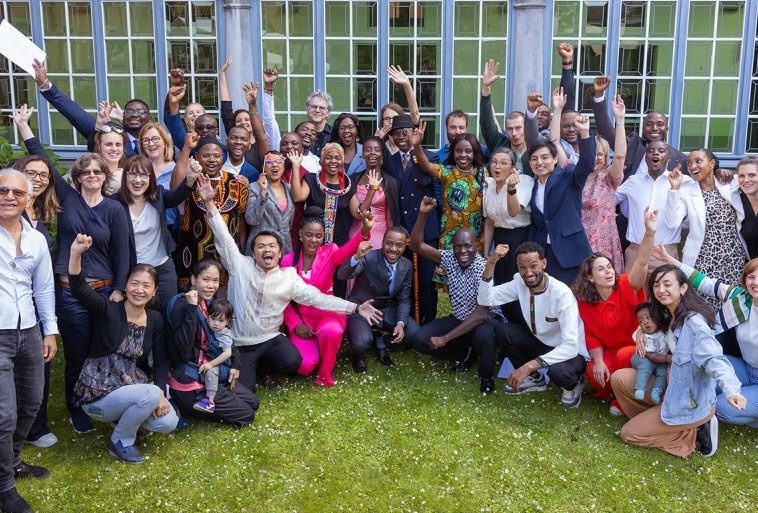
At the African Commission on Human and Peoples’ Rights in Dakar, Angola outlined investments and reforms aimed at expanding essential services, tackling poverty and strengthening protections for vulnerable citizens.
Angola has reported progress in water access, maternal and child health, social protection and climate resilience as part of its commitment to human rights and sustainable development.
READ ALSO: Lobito Corridor: Angola’s Railway Investment Strengthens Africa’s Trade Gateway
Presenting the country’s position at the 89th Ordinary Session of the African Commission on Human and Peoples’ Rights (ACHPR) in Dakar, Senegal, on 12–21 October 2026, Professor Miguel César Domingos Bembe, Angola’s Ambassador to Ethiopia and Permanent Representative to the African Union (AU) and the United Nations Economic Commission for Africa (UNECA), outlined government programmes designed to translate constitutional rights into practical improvements in people’s lives.
Speaking on behalf of the Angolan government, Bembe said human rights protection extended beyond political declarations to the delivery of economic, social, cultural and environmental rights.
He situated Angola’s efforts within the United Nations 2030 Agenda for Sustainable Development and the AU’s Agenda 2063, against a continental backdrop of armed conflict, violent extremism, forced displacement and climate change.
Water and sanitation remain central to Angola’s development priorities. Through Phase II of the Water Sector Institutional Development Programme (PDISA), the government is investing in infrastructure and institutional capacity with support from the World Bank, African Development Bank and French Development Agency.
According to Bembe’s statement, the programme represents an investment of more than US$1.9 billion and covers several provinces, including Huambo, Huíla, Lunda Norte, Malanje, Moxico and Moxico Leste.
More than 94,000 household connections have been completed, advancing the country’s efforts to achieve universal access to water under its National Water Plan, which sets targets for 2040.
The programme highlights the link between infrastructure development and human welfare, particularly in communities where reliable access to safe water remains a challenge.
Angola is also addressing the effects of recurring drought in its southern regions through the Programme to Combat the Effects of Drought in Southern Angola (PCESSA).
The construction of the Calucuve, Ndue and Cova do Leão dams is expected to strengthen water security, with the projects set to benefit more than 380,000 people in the municipalities of Cuvelai and Cahama in Cunene Province.
Environmental initiatives form part of the wider strategy. The government reported planting approximately 597,940 trees in 2025, bringing the cumulative total to about 1.47 million by 2026. More than 93,000 mangroves have also been planted, while four solar power plants are planned or being developed across Huambo, Bié, Moxico Leste and Lunda Norte.
These measures reflect efforts to connect climate adaptation with water security, environmental protection and access to energy.
In healthcare, Angola reported a 46.1 per cent increase in technical personnel supporting the National Health Service. Data cited from the country’s Multiple Indicator and Health Survey show that child malnutrition stood at 5.8 per cent in 2025. Under-five mortality declined from 68 to 52 deaths per 1,000 live births, while maternal mortality fell from 239 to 170 deaths per 100,000 live births.
Access to maternal and reproductive healthcare also improved. The proportion of births attended in health facilities rose from 35 to 64 per cent, while family planning coverage reached 65 per cent.
Social protection remains another pillar of the government’s approach to poverty reduction. The Kwenda programme has registered more than 1.7 million households, with 1.3 million reported to have received direct cash transfers.
The figures indicate the scale of Angola’s efforts to strengthen essential services and provide financial support to vulnerable households. Sustaining these gains will depend on continued investment, effective implementation and equitable access across the country.
Angola also outlined proposed legal reforms intended to strengthen protection against domestic violence and abuse of children. Measures under consideration in the National Assembly include amending the law on domestic violence to classify it as a public crime and revising the Penal Code to increase penalties for violence against minors.
Bembe reaffirmed the country’s commitment to protecting freedom of expression, the press, assembly and association as guaranteed by the Angolan Constitution.
He also reiterated Angola’s adherence to Africa’s Agenda for Children 2040 and the AU Strategy for Gender Equality, while welcoming the AU Convention on Ending Violence Against Women.
These commitments place legal protection alongside investment in healthcare, water and social welfare as elements of the country’s human rights agenda.
Angola’s presentation in Dakar set out a broad development agenda linking human rights with public services, environmental sustainability, social protection and legal reform.
The African Charter on Human and Peoples’ Rights provides the continental framework against which such commitments are assessed. For Angola, the central task is to ensure that policies and investments deliver measurable, lasting improvements in the lives of citizens.
The reported gains provide indicators of progress, while the scale of the remaining challenges underlines the importance of implementation, accountability and continued monitoring.
Ultimately, the strength of Angola’s human rights agenda will be measured not only by the commitments it makes internationally, but by the extent to which citizens experience their rights through safer communities, better healthcare, reliable water supplies and greater social and economic security.