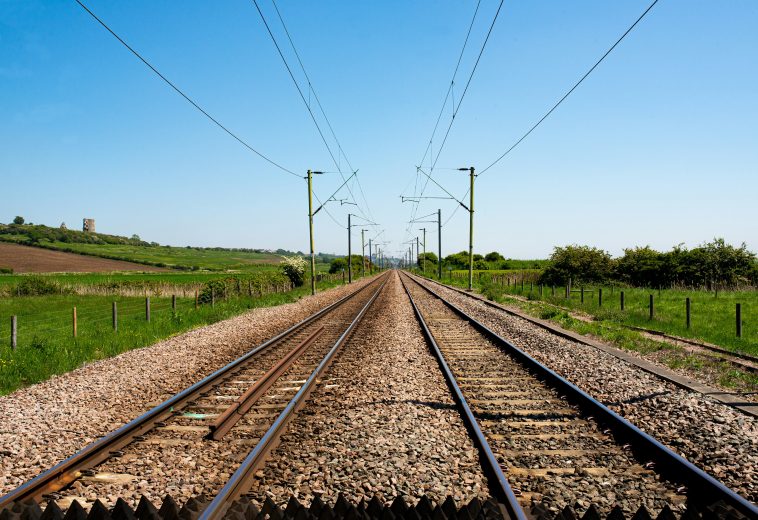
Egypt’s planned high-speed electric railway is gaining attention under the nickname “the Suez Canal on Rails”. The phrase reflects the ambition behind the project, but its purpose is different from that of the canal. Rather than replacing a maritime route, the railway aims to connect ports, cities and industrial zones, strengthening Egypt’s position as a multimodal transport and logistics hub.
Egypt’s first high-speed electric rail line will stretch approximately 660 kilometres from Ain Sokhna on the Red Sea to Marsa Matrouh on the Mediterranean. Transport Minister Kamel Al-Wazir has identified July 2027 as the target for passenger services, with trial runs without passengers scheduled for October 2026. These remain planned milestones, not evidence of commercial operations.
READ ALSO: Egypt’s Sustainable Finance Shift: Strengthening ESG Standards for a Greener Economy
The line forms part of a proposed network of approximately 2,000 kilometres across three routes. According to Egypt’s National Authority for Tunnels, the network is designed to connect major ports, urban centres and tourism destinations. The first route links Ain Sokhna through the Cairo region and Alexandria to El Alamein and Marsa Matrouh, while the other lines are intended to connect southern Egypt with destinations including Abu Simbel, Safaga and Hurghada.
The distinction between rail and maritime transport is essential. The Suez Canal enables ships travelling between Europe and Asia to avoid the longer journey around southern Africa. Rail serves a different purpose: moving passengers and selected cargoes between Egyptian ports and inland destinations. Its value will depend on whether it offers competitive journey times, costs and connections for particular goods and routes.
The project’s proposed freight capacity of 13–15 million tonnes annually illustrates its potential, but this remains a projection. Actual volumes will depend on freight terminals, cargo demand, handling charges, customs procedures and connections with ports and industrial areas. The Suez Canal, by comparison, transported 464.44 million tonnes of cargo in 2025. The railway’s projected capacity would therefore represent only a small fraction of that volume, reinforcing why the two systems should be viewed as complementary rather than interchangeable.
For African businesses, the larger opportunity lies in connectivity. A railway linking Red Sea and Mediterranean gateways could help move certain goods between ports, manufacturing centres and inland logistics facilities. Yet a faster train does not automatically mean faster trade. Warehousing, road connections, customs clearance and onward transport must work efficiently if the railway is to deliver meaningful time and cost savings.
Egypt’s wider logistics ambitions could also support regional commerce. Integrated transport corridors linking ports with inland markets and neighbouring countries may strengthen access to African, European, Asian and Gulf markets. However, infrastructure alone cannot create regional value chains. The African Continental Free Trade Area requires effective border procedures, compatible standards and commercially viable connections between producers and buyers.
The railway also has a domestic development role. Faster passenger services could improve access to employment, education and tourism while easing pressure on existing transport networks. For these benefits to be widely shared, fares must remain practical, services reliable and stations accessible to the communities they are intended to serve.
The project’s estimated cost of US$23 billion makes accountability particularly important. Its long-term economic value will depend on passenger numbers, freight volumes, operating costs, punctuality and the efficiency of cargo transfers at ports. Technology partnerships, including those involving Siemens, could support delivery, but Egypt’s lasting gains should also include skills development, local engineering expertise and sustainable maintenance capacity.
Egypt’s railway could strengthen its position between two major maritime gateways, but its wider African significance will depend on what it connects beyond its own borders. Reliable freight services, efficient port transfers and coordinated regional trade systems could help turn infrastructure investment into productive economic activity.
The decisive test will come after construction: whether businesses use the railway, passengers can afford its services and goods continue moving efficiently beyond Egypt. The project will not replace the Suez Canal or create a continental rail network on its own. It could, however, become a valuable link in a wider African logistics system if infrastructure is matched by effective trade facilitation and regional cooperation.