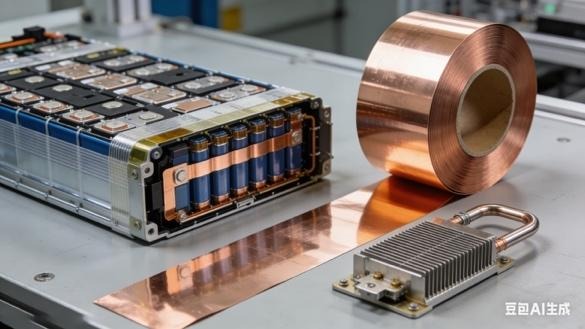
The global transition towards clean energy is driving unprecedented demand for critical minerals such as lithium, cobalt, copper, graphite, manganese and platinum. These resources are essential for electric vehicle batteries, renewable energy systems, semiconductors and modern power infrastructure. With Africa holding an estimated 30 per cent of the world’s critical mineral reserves, the continent is becoming increasingly important to the future of the global green economy.
For decades, however, Africa has occupied the lowest end of the value chain. Most mineral-rich countries have exported raw or minimally processed resources while importing finished products at significantly higher prices. As a result, much of the economic value associated with refining, manufacturing and advanced processing has been captured elsewhere.
READ ALSO: Green Gold: How Critical Minerals and Clean Energy Are Transforming Africa
Today, governments across the continent are seeking to change that model. Rather than remaining suppliers of raw materials, many African countries are introducing policies that encourage local beneficiation, domestic processing and regional manufacturing. The objective is to capture more value from natural resources, strengthen industrial capacity, create skilled employment and support long-term economic diversification.
This shift presents one of Africa’s most significant industrial opportunities. Investments in mineral processing plants, manufacturing facilities and integrated supply chains have the potential to generate higher export earnings while supporting the development of broader industrial ecosystems.
Critical minerals have become strategic assets in the global economy. They are indispensable to electric vehicles, solar panels, wind turbines, battery storage systems and digital technologies. As countries accelerate efforts to reduce carbon emissions and strengthen energy security, demand for these minerals continues to rise, reshaping international trade patterns and investment priorities.
Africa occupies a central position in this transition. The Democratic Republic of the Congo produces around 70 per cent of the world’s cobalt, while Zimbabwe has become an important destination for lithium investment. Zambia remains a major copper producer, South Africa holds significant reserves of platinum group metals used in hydrogen technologies, and Mozambique and Madagascar possess substantial graphite deposits required for battery production.
At the 2026 African Natural Resources and Energy Investment Summit (AFNIS), Nigerian President Bola Ahmed Tinubu remarked that there could be no global energy transition without Africa’s critical minerals. Increasingly, international investment patterns and supply chain strategies reflect the strategic importance of the continent’s mineral resources.
Beneficiation has emerged as a central component of Africa’s industrial strategy. By processing minerals before export, countries can produce higher-value products such as battery-grade chemicals, cathode materials and battery components rather than exporting raw ore. Each stage of processing increases economic value, supports industrial development and creates additional employment opportunities.
Beyond increasing export revenues, beneficiation encourages technology transfer, strengthens manufacturing ecosystems and reduces dependence on volatile commodity markets. It provides an important bridge between resource extraction and broader industrialisation.
The African Union’s African Green Minerals Strategy (AGMS) reflects this ambition. The strategy seeks to position Africa not simply as a supplier of raw materials but as a competitive participant in global green manufacturing. It promotes mineral beneficiation, regional value chains, battery manufacturing, e-mobility industries and sustainable mining practices to ensure that more value is retained within the continent.
Several countries have already begun implementing policies aligned with these objectives. Zimbabwe has introduced restrictions on the export of raw lithium to encourage investment in domestic processing facilities. Nigeria has undertaken significant mining sector reforms, including the revocation of thousands of inactive mineral licences while promoting local processing and attracting investment in lithium and iron ore projects.
According to the United Nations Economic Commission for Africa, expanding into midstream and downstream mineral industries could generate approximately US$24 billion in additional annual regional GDP and create around 2.3 million jobs. The benefits would extend beyond mining into engineering, logistics, research, construction, manufacturing and technology services.
The geopolitical importance of Africa’s mineral wealth is also increasing. Competition among major economies, including the United States, the European Union and China, has strengthened Africa’s bargaining position within global supply chains. Increasingly, African governments are seeking investment agreements that include commitments to local processing, infrastructure development, skills transfer and industrial capacity building.
Developing these industries will also require significant investment in human capital. Future mineral value chains will depend on skilled geologists, mining engineers, metallurgists, chemists, renewable energy specialists, battery engineers and data analysts. Africa’s youthful population provides an opportunity to develop this workforce, provided education and technical training systems evolve to meet industry demand.
Despite the opportunities, several challenges remain. Reliable electricity, transport infrastructure, water supply and industrial zones will be essential to support large-scale mineral processing and manufacturing. Financing constraints, policy consistency and effective regulatory frameworks will also be critical to attracting long-term investment. At the same time, mining expansion must be accompanied by strong environmental standards, responsible resource management and meaningful community engagement.
If these challenges are successfully addressed, Africa’s critical mineral resources could become a catalyst for industrial transformation rather than simply a source of export earnings. By expanding domestic processing, strengthening manufacturing capacity and developing integrated value chains, the continent has an opportunity to create skilled employment, increase export revenues, enhance technological capability and strengthen economic resilience.
As global demand for critical minerals continues to grow, Africa is uniquely positioned to play a larger role in the industries shaping the future of energy and technology. The challenge is no longer simply extracting these resources, but ensuring they become the foundation for sustainable industrial development and long-term economic prosperity.