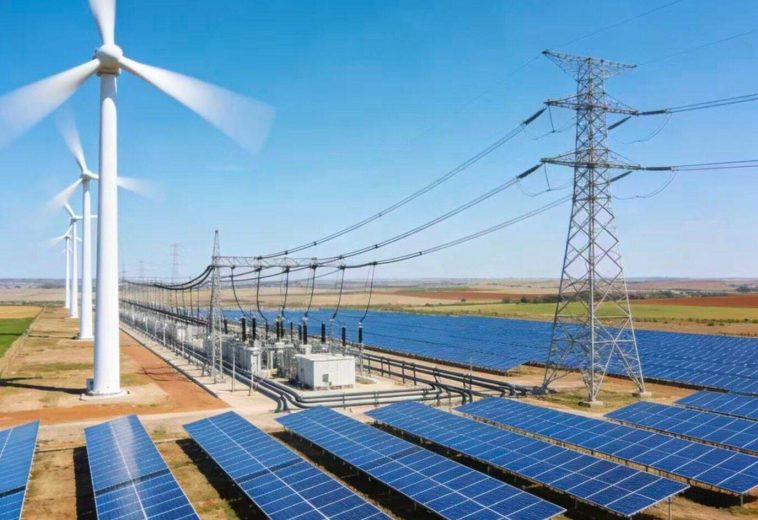
Africa’s energy landscape is undergoing a profound transformation as countries increasingly collaborate to build cross-border electricity and gas infrastructure. Rather than operating isolated national grids, governments are investing in interconnected power systems that enable electricity to flow seamlessly across borders, improving energy security, lowering costs, and supporting regional industrialisation. These projects are laying the foundation for a more integrated African energy market, one capable of powering economic growth and advancing the goals of the African Continental Free Trade Area (AfCFTA).
For decades, many African countries have struggled with unreliable electricity supplies despite possessing abundant renewable and fossil fuel resources. While some nations generate surplus electricity during certain periods, neighbouring countries often experience acute shortages. Cross-border energy integration seeks to address this imbalance by creating regional electricity markets where power can be traded efficiently, ensuring that available generation is shared across multiple countries.
READ ALSO: Solving Africa’s Energy Trilemma: Delivering Clean, Reliable and Affordable Power
At the crux of this transformation is the vision of the African Continental Single Electricity Market (AfSEM), which aims to establish the world’s largest interconnected electricity market. By linking national grids through regional power pools and transmission corridors, AfSEM seeks to improve electricity access, reduce generation costs, encourage private investment, and accelerate sustainable economic development across the continent.
One of the most advanced examples is the West African Power Pool (WAPP). Bringing together 14 member states, WAPP is creating an integrated electricity market that allows participating countries to exchange power through synchronised transmission networks. As interconnections continue to expand, the initiative is expected to reduce wholesale electricity costs in participating networks while improving supply reliability and reducing dependence on expensive emergency generation.
The benefits extend beyond lower electricity prices. Countries with excess generation capacity can export surplus power, creating new revenue streams while helping neighbouring states address electricity shortages. This collaborative model strengthens regional energy security by reducing the impact of power outages, seasonal fluctuations in hydropower production, and disruptions affecting individual national grids.
In East Africa, the Ethiopia–Kenya–Tanzania Electricity Highway represents another landmark achievement in regional integration. Designed to transmit up to 2,000 megawatts of electricity, the project connects the East African Power Pool with electricity networks further south, facilitating the movement of affordable renewable energy across multiple countries. Ethiopia’s abundant hydropower resources can therefore support growing industrial demand in neighbouring economies while enhancing the stability of regional electricity systems.
Southern Africa is also benefiting from increased regional cooperation through the strengthening of cross-border transmission infrastructure and participation in regional electricity trading. These interconnected networks improve resilience by enabling countries to import electricity during periods of domestic generation shortfalls, reducing the risk of prolonged blackouts that can disrupt economic activity.
Beyond electricity, Africa is expanding regional cooperation through major cross-border gas infrastructure. Among the most ambitious projects is the Nigeria–Morocco Gas Pipeline, which is expected to transport Nigerian natural gas along the West African coastline before connecting with European energy markets. In addition to supporting exports, the pipeline is designed to improve energy access across participating African countries, encourage industrial development, and stimulate investment in gas-fired power generation and manufacturing.
Such projects illustrate how regional energy infrastructure can unlock broader economic opportunities. Reliable electricity remains one of the most significant constraints to industrial growth across Africa. Manufacturing, mining, agro-processing, digital services, and small businesses all depend on stable and affordable energy supplies. By creating interconnected electricity markets, countries can reduce production costs, attract investment, and improve the competitiveness of African industries.
The continent possesses enormous energy resources capable of supporting this transformation. Africa accounts for more than 60 per cent of the world’s solar energy potential while also possessing vast hydropower, geothermal, wind, and natural gas reserves. However, these resources are unevenly distributed geographically. Regional interconnection enables countries with abundant renewable energy to supply electricity to neighbours with limited domestic generation, ensuring that energy resources are utilised more efficiently across the continent.
Cross-border electricity trading also supports Africa’s transition towards cleaner energy systems. Renewable energy sources such as solar and hydropower are inherently variable, but larger interconnected grids make it easier to balance fluctuations in generation. Countries can import electricity when renewable output falls and export surplus generation during periods of high production, improving overall grid stability while reducing reliance on fossil fuels.
Despite the considerable progress made, challenges remain. Expanding regional transmission infrastructure requires significant investment, whilst regulatory harmonisation, coordinated planning, and political cooperation are essential for ensuring the long-term success of cross-border energy markets. Financing large-scale transmission projects and strengthening national grid infrastructure will also remain critical priorities.
Africa’s growing network of cross-border energy projects demonstrates a powerful commitment to regional integration and shared prosperity. By connecting electricity markets, expanding gas infrastructure, and leveraging the continent’s abundant renewable resources, these initiatives are creating the energy foundation needed to drive industrialisation, strengthen economic resilience, and improve the quality of life for millions of Africans. As these regional power corridors continue to expand, they will play a pivotal role in powering Africa’s sustainable development and economic transformation.