As the 56th annual meeting of the World Economic Forum convenes under the theme “A Spirit of Dialogue”, there is a discernible shift in global attention towards Africa’s aspirations, priorities and strategic offerings on the world stage. Once on the periphery of the global economic conversation, African leaders now occupy significant space in the deliberations that shape investment flows, technology partnerships, energy transitions and trade frameworks. More than 850 leaders from over 130 countries are gathered in Davos this year, reflecting the unprecedented ambition and urgency of global cooperation at a time of complex economic and geopolitical shifts.
This year’s forum is shaped by the recognition that major global challenges, from economic stagnation in developed markets to the disruptive potentials of artificial intelligence and climate transformation, cannot be addressed without meaningful African participation. Against this backdrop, African states have pressed their narrative with clarity and coherence, foregrounding economic sovereignty, enhanced intra continental trade and strategic capital attraction for the continent’s energy and technology sectors.
READ ALSO: How South Africa’s Inflation Target Shift Could Guide Other African Economies
At Davos, the African narrative is propelled by a dual imperative: to assert agency in global economic governance and to unlock the continent’s latent potential through deeper regional integration and external investment. This narrative counters decades of external prescriptions that often viewed Africa through a singular lens of risk rather than opportunity. The forum’s emphasis on dialogue conceptualised as an engine for shared progress rather than rhetorical exchange has provided a platform for African voices to articulate systemic reform, not just for domestic policy, but for global economic architecture.
A central theme among African delegations is the urgency of intra African trade. Leaders argue that dismantling political and structural barriers across the continent is fundamental to realising the promise of the African Continental Free Trade Area (AfCFTA) and to creating durable value chains that anchor Africa more firmly in the global economy.
Sierra Leone’s Call for Structural Reform
President Julius Maada Bio of Sierra Leone set the tone for Africa’s contribution in Davos 2026 with a compelling appeal. Speaking on a panel titled “How Can Africa Prosper in the New World Economy?” he urged African leaders to “shift mindsets” and to actively remove obstacles that hamper trade across borders. President Bio stressed that eliminating these barriers, political, regulatory and infrastructural, is not merely procedural but transformative, unlocking productivity and integration that can elevate regional prosperity. He further highlighted the critical role of investing in human capital, strengthening agriculture and food security, and fostering value addition in extractive industries, while also prioritising employment opportunities for Africa’s burgeoning youth population.
Bio’s comments resonate with longstanding development frameworks that underscore industrialisation and structural transformation as central pillars for sustained growth. In the context of Davos, his message reflects a collective African ambition to move from resource exportation to value creation.
Nigeria’s Strategic Entrance: Nigeria House and Economic Diplomacy
Nigeria’s engagement in Davos 2026 illustrates a new chapter in the country’s economic diplomacy. Vice President Kashim Shettima formally commissioned “Nigeria House”, the nation’s first dedicated pavilion on the Davos Promenade, intended as a hub for showcasing investment opportunities and hosting bilateral engagements throughout the forum.
The pavilion reflects Nigeria’s intent to present a comprehensive economic playbook that highlights its emerging sectors, including climate aligned agriculture, solid minerals, the creative economy and digital technology. Nigeria’s leadership has also emphasised the strategic value of initiatives such as the African Atlantic Gas Pipeline (AAGP), a proposed energy corridor connecting Nigeria to Morocco, which proponents argue could strengthen global energy security and support data centre ecosystems powered by secure, low cost energy.
Complementing these initiatives is Nigeria’s internal fiscal reform agenda. Prominent Nigerian policymakers, including Finance Minister Wale Edun, have stressed the importance of fiscal discipline and tax reforms aimed at lifting government revenue to 18 per cent of GDP by 2027. These reforms signal to investors a commitment to macroeconomic stability and structural predictability.
South Africa: A Proven Partner for Stability and Investment
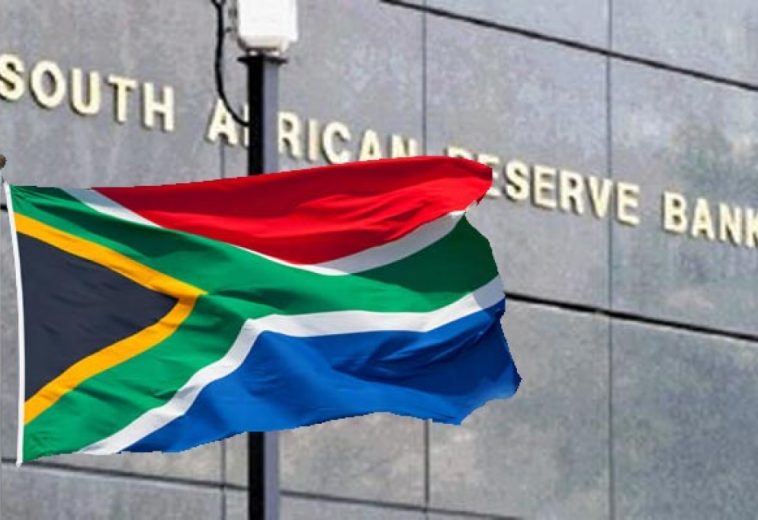
South Africa’s presence in Davos is demonstrative of a broader African trajectory towards economic resilience and reform. Led by Finance Minister Enoch Godongwana, the South African delegation has taken the opportunity to showcase tangible progress in stabilising the economy and building investor confidence. Recent developments, including the nation’s removal from the Financial Action Task Force’s grey list, and a sovereign credit rating upgrade by S&P Global, have been positioned as proof of structural momentum.
Ministers representing energy, trade, infrastructure and small business have engaged with global investors to outline South Africa’s reform agenda, a strategy built on stabilising electricity supply, strengthening logistics networks and expanding digital and water infrastructure. These discussions align with the government’s medium term approach to growth, anchored in maintaining macroeconomic stability, accelerating structural reforms, building public sector capability, and financing growth enhancing infrastructure.
Rwanda and Liberia’s Strategic Debut
Beyond the traditional economic heavyweights, smaller states are also making their mark. Rwanda’s delegation, led by Minister of Foreign Affairs Olivier Nduhungirehe, underscores Kigali’s diplomatic engagement philosophy. Rwanda’s participation highlights the use of multilateral platforms to build relationships, facilitate investment, and reinforce the country’s integration within global value chains.
Similarly, Liberia marked a historic first with its official participation at Davos under the leadership of Foreign Minister Sara Beysolow Nyanti. This debut reflects Liberia’s renewed economic diplomacy, following sustained engagements aimed at securing its place among global decision making forums. It is an emblematic moment for small states asserting agency amidst complex geopolitical terrain.
The broader context of Davos 2026 places Africa within global structures grappling with risks and opportunities that transcend borders. With dialogue emerging as both a practical mechanism and an ideological commitment, the forum aims to tackle global threats, from cybercrime and future pandemics to economic fragmentation through collaboration. This shift highlights the interconnected nature of 21st century governance and the necessity of inclusive participation.
African leaders’ interventions are, therefore, not isolated speeches but contributions to a global framework that seeks to balance cooperation, competition, and co creation. Whether it is reforming fiscal architecture, promoting open markets, or attracting strategic capital, the African narrative at Davos reflects a continent intent on shaping the policies that will govern its future.
From Margins to the Mainstage
Davos 2026 signifies more than symbolic attendance by African delegations; it marks a substantive shift in how African leaders engage with the world’s most influential economic actors. By advancing bold propositions on trade integration, economic reform and strategic investment, African states are no longer passive recipients of global policy prescriptions. Instead, they are active architects of solutions that resonate both within the continent and across the global economy. The world is, at last, listening, and Africa’s voice in Davos is not just present, but persuasive.