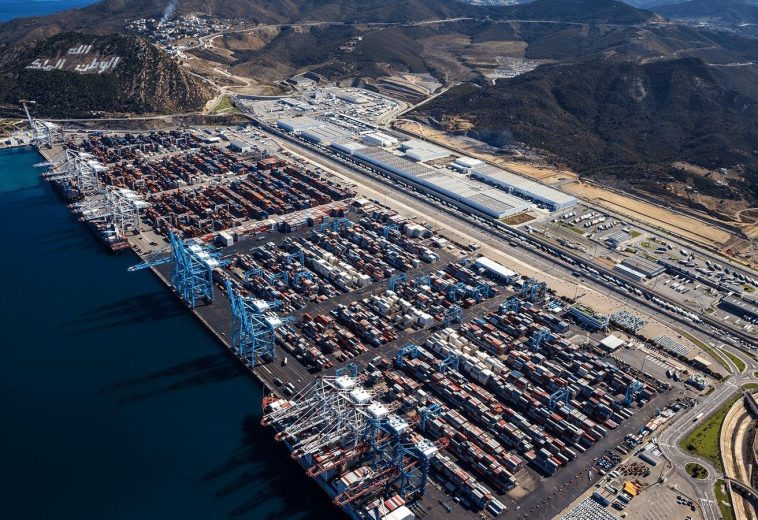
A prosperous and integrated Africa depends on regional cooperation and digital innovation, according to the 2026 Africa Sustainable Development Report from the AUC, ECA, AfDB, and UNDP. The report calls for urgent progress on modern infrastructure and digital solutions, with Digital Single Windows (DSWs) and upgraded logistics systems playing a leading role in reducing trade costs and unlocking the continent’s internal market.
Far more than a software upgrade, a Digital Single Window represents a fundamental re-engineering of border institutions. It brings together dozens of separate agency processes into one electronic submission point for trade documentation. The UN/CEFACT defines it as a single-entry facility for submitting standardised information to fulfil regulatory requirements. In Africa, this transformation is increasingly urgent. World Bank data shows that border-compliance times are three times the OECD average. DSWs can provide the digital backbone needed to improve the continent’s trade and logistics systems. Singapore’s TradeNet offers a proven benchmark, having reduced clearance times from four days to fifteen minutes.
READ ALSO: Meaningful Access: Driving Africa’s Sustainable Digital Economic Future
The economic case for DSW implementation is strong because it directly tackles the “cost of time” that continues to weigh heavily on African trade. UNCTAD calculates that full implementation of paperless trade systems, anchored by a national single window, could reduce trade transaction costs in Africa by up to 25%. The statistic that poor logistics inflate trade costs by 50% is significant in this context, as DSWs can help reduce some of these burdens. These savings are not marginal. A study published in the Journal of African Trade found that, in Nigeria, the phased introduction of its National Single Window led to a 60% reduction in the time required to process import permits.
For Small and Medium Enterprises (SMEs), which account for roughly 80% of employment, lower administrative costs and fewer opportunities for informal payments could encourage greater formalisation and make it easier for businesses to expand from micro-enterprises into regional exporters. When compliance becomes less costly and time-consuming, more businesses can participate in formal trade.
The significance of DSWs in tackling corruption is particularly important in Africa, where physical border posts have historically created opportunities for informal payments. The move towards paperless trade reduces face-to-face interactions that can create opportunities for bribery. A 2022 Transparency International study on customs integrity in East Africa found that a shift to digital payment platforms and electronic document submission, key components of a DSW, reduced informal payment requests by customs officials by up to 40%.
By creating a digital audit trail, a single window can make previously opaque transactions easier to trace. This gives oversight agencies and internal affairs units better tools to identify unusual activity, such as an officer unnecessarily delaying a digitally compliant shipment. In this way, the system can shift the balance from individual gatekeepers to transparent and published rules.
An isolated national DSW, however, is not enough in the context of regional value chains. The greater opportunity lies in connecting these systems across borders. The East African Community’s integration of scanner data for non-intrusive inspection provides a useful model, enabling the mutual recognition of inspection results and reducing unnecessary stops at each border.
The World Customs Organisation’s Data Model provides a technical framework for this harmonisation, ensuring that when a country such as Kenya transmits a cargo declaration, the information can be understood by counterparts in Uganda or Rwanda. This interoperability is an important digital enabler of the AfCFTA. A 2023 UNECA policy brief highlighted that linking national single windows through an “African Trade Exchange” could reduce cross-border clearance times from an average of three days to less than one day, making regional supply chains more efficient and better positioned to compete with producers outside the continent.
Digital systems and physical logistics must work together. A DSW provides the digital layer for the roads, railways and ports that connect African markets. The integration of AI-powered tracking with DSWs can create more predictable trade corridors, which in turn can make them more attractive to private investors.
For instance, the Northern Corridor linking Mombasa to the Great Lakes region has pioneered a web-based portal that integrates the DSW with cargo tracking notes. This allows a manufacturer in Kampala to track a container’s real-time location and receive an automated alert if it deviates from its route. Such visibility is critical to the AfCFTA’s goal of reducing trade costs for Africa’s 32 landlocked countries. The African Union’s Programme for Infrastructure Development in Africa (PIDA) estimates that an efficient corridor, combining digital trade logistics with improved physical infrastructure, can increase trade volumes by 20% to 30% for a landlocked nation by reducing uncertainty along the final stages of delivery.
The promise of DSWs, however, is threatened by Africa’s digital divide. The statistic that rural internet access often falls below 20% represents a significant structural risk. A fully digitised border system that requires high-speed internet and complex forms could unintentionally exclude rural smallholders and informal cross-border traders, many of whom are women.
Data from the Alliance for Affordable Internet shows that 1GB of mobile data costs roughly 4–5% of average monthly income in Africa, making internet access difficult to afford for many subsistence farmers. To address this, countries such as Senegal have integrated their single window with USSD-based systems accessible through basic feature phones, allowing small traders to pre-declare goods through a simple menu.
Without this kind of inclusive design, supported by intermediary service centres and simplified mobile interfaces, digitalisation could create a two-tier trade system: a seamless express lane for larger companies and a slower, paper-based process for smaller traders.
Closing the multi-trillion-dollar SDG financing gap to fund DSWs and corridor infrastructure will require a compelling investment case. The return on investment from trade facilitation can be significant. A report by the World Trade Organisation’s World Trade Report quantified that every 1% reduction in global trade transaction costs generates an additional $40 billion in world income, with developing nations capturing more than 60% of these gains.
The Pan-African Payment and Settlement System (PAPSS), which Afreximbank estimates can save the continent $5 billion annually in currency conversion costs, could become even more powerful when integrated into a continental DSW ecosystem. The DSW would submit the trade declaration, while PAPSS could facilitate the cross-border payment in local currencies. Together, they could create a more connected digital commercial system and strengthen the case for investment in modern border posts and logistics platforms.
The technical roadmap for DSWs is increasingly clear, but the political economy remains a major obstacle. Inter-agency rivalry can become a critical bottleneck because a single window changes established bureaucratic processes and can affect agencies that derive authority and revenue from independent control of trade procedures.
A United States Agency for International Development (USAID) analysis on DSW implementation in West Africa found that resistance from agencies such as standards bureaus and quarantine departments, concerned about losing authority and fee revenue, was the leading cause of project delays. Overcoming this requires a strong political mandate, supported by legislation compelling agencies to recognise the single window as the primary platform for trade processes. It also requires re-engineering government fee collection through a single treasury account, reducing the incentive for agencies to operate independently at the border.
The alignment of digital trade with SDGs 9, 8 and 17 is clear, while its relationship with SDG 13 (Climate Action) presents an emerging opportunity. Green shipping is particularly relevant. A DSW could help prioritise the clearance of “green lane” shipments, such as time-sensitive perishable goods transported by rail rather than road, or accelerate processing for firms that submit verified carbon compliance certificates.
UNCTAD’s Rapid Electronic Cargo Targeting System (RECTS), deployed in several African ports, uses risk-assessment algorithms that can potentially incorporate environmental criteria. Paperless trade itself can also reduce the environmental footprint associated with global supply chains. According to the International Chamber of Commerce, an estimated four billion paper documents circulate at any one time, meaning that digital trade reform can have environmental benefits alongside its logistical advantages.
The African Union’s target of increasing intra-African trade from 17% to 30% will require more than tariff reductions. It will also depend on transaction speed, cost and predictability, all of which converge in the DSW ecosystem.
The path forward requires Africa to move beyond its current patchwork of national single windows at different stages of development, from Mauritius’s advanced system to countries still running pilot programmes, towards a legally binding, Pan-African interoperability framework.
Integrating PAPSS, AI-powered corridor tracking and the AfCFTA Digital Trade Protocol into a cohesive architecture could help create a digital common market for logistics. Such a transformation would help dismantle some of the non-tariff barriers that continue to fragment African markets, providing the commercial infrastructure needed to match the continent’s political ambition of a genuinely integrated, competitive and resilient economic bloc.