Across Africa, a quiet industrial shift is gaining strength. For decades, many of the continent’s economies have depended heavily on exporting raw materials while importing finished products, leaving much of the value created from Africa’s resources elsewhere. That pattern is beginning to change as governments and businesses increasingly invest in manufacturing, processing and local production.
The shift is being driven by a simple economic reality: producing more of what Africa consumes can create jobs, strengthen domestic businesses and keep a larger share of economic value within the continent. From food processing and pharmaceuticals to textiles, automotive assembly and mineral beneficiation, industries are emerging across different parts of Africa with a stronger focus on local value creation.
READ ALSO: The Made in Africa Movement: Unlocking Value Through Manufacturing and R&D
In Côte d’Ivoire, for example, the growth of domestic cocoa processing is helping the country capture more value from one of its most important commodities. The country is the world’s largest cocoa producer, but for years much of its cocoa was exported as raw beans. Investment in grinding, processing and chocolate production is gradually changing that model, creating opportunities for local businesses and workers.
The same principle is being applied to agricultural products across the continent. Africa has enormous agricultural potential, yet it still imports significant quantities of processed food. Expanding local processing can help reduce post-harvest losses while creating new markets for farmers. Rice milling, fruit processing, dairy production and the manufacture of packaged foods are all areas where greater domestic production can strengthen links between farms and factories.
Tanzania is also expanding its industrial base as it pursues a broader economic transformation agenda. Manufacturing, agro-processing, construction materials and consumer goods are among the sectors receiving increased attention. The country’s industrialisation drive is being supported by investments in infrastructure, energy and transport, creating a stronger foundation for businesses seeking to produce for both domestic and regional markets.
The growth of regional markets is particularly important. The African Continental Free Trade Area (AfCFTA) brings together one of the world’s largest potential consumer markets, creating an opportunity for manufacturers to produce at greater scale. A company that might struggle to remain competitive by serving one national market can potentially reach consumers across multiple African countries.
This larger market could encourage investment in industries that require scale, including pharmaceuticals, vehicle assembly, machinery and processed foods. It could also allow African manufacturers to build regional supply chains rather than relying heavily on imported components.
Pharmaceutical manufacturing is one area where the case for local production is particularly strong. Africa continues to import most of its medicines, despite having a growing population and increasing healthcare needs. Expanding local pharmaceutical production could improve supply security while creating skilled jobs in manufacturing, research, logistics and quality control.
The automotive sector offers another example of the continent’s industrial ambitions. Countries including Morocco and South Africa have developed significant vehicle manufacturing industries, while other African economies are seeking to expand assembly and component production. Morocco’s automotive industry has become one of the country’s leading export sectors, demonstrating how targeted investment, skills development and integration into global supply chains can create a competitive manufacturing base.
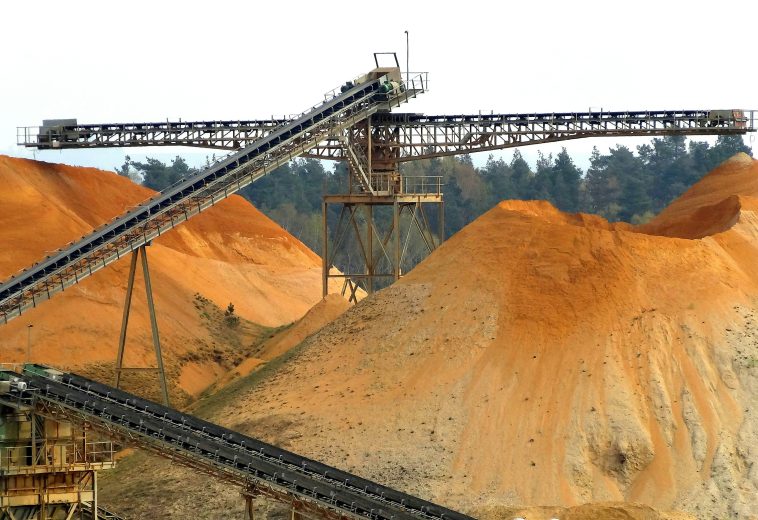
Mineral processing is becoming an increasingly important part of this industrial transition. Countries such as Zambia and the Democratic Republic of Congo are seeking to capture more value from copper and other critical minerals by expanding processing and developing regional value chains. The global demand for minerals used in electric vehicles, renewable energy and advanced technology provides Africa with an opportunity to move further up the industrial value chain.
However, manufacturing cannot expand without reliable infrastructure. Electricity, transport networks, ports and digital connectivity are essential to keeping factories competitive. This makes infrastructure investment an important part of Africa’s industrial story. Improved roads and railways can lower the cost of moving goods, while reliable electricity allows factories to operate more consistently.
Skills are equally important. Modern manufacturing requires engineers, technicians, machine operators, software specialists, quality-control experts and managers. Expanding technical and vocational education can help African economies build the workforce needed to support industrial growth while providing young people with practical routes into employment.
There is also a growing role for African entrepreneurs. Small and medium-sized enterprises make up a large part of the continent’s private sector, and many are already producing goods for local markets. With better access to finance, technology and larger regional markets, some of these businesses could grow into major manufacturers and exporters.
The goal is not to eliminate international trade or foreign investment. Rather, Africa’s industrial opportunity lies in creating stronger partnerships in which international capital and expertise support local production, skills development and technology transfer. Foreign companies can benefit from Africa’s expanding consumer markets while African economies retain more of the value created.
The transition will not happen overnight. Building competitive industries requires patient capital, consistent policies, reliable infrastructure and access to large markets. But the direction is becoming clearer.
Africa is gradually moving from the position of a continent that primarily supplies raw materials and imports finished goods towards one that increasingly produces, processes and exports products of greater value.
The future of Made in Africa is therefore not simply about putting a label on products. It is about building industries that create jobs, strengthen businesses, develop skills and allow African economies to capture more value from their own resources.
If this industrial momentum continues, local production could become one of the continent’s most important engines of economic transformation — turning Africa’s resources, markets and young workforce into a stronger foundation for long-term growth.