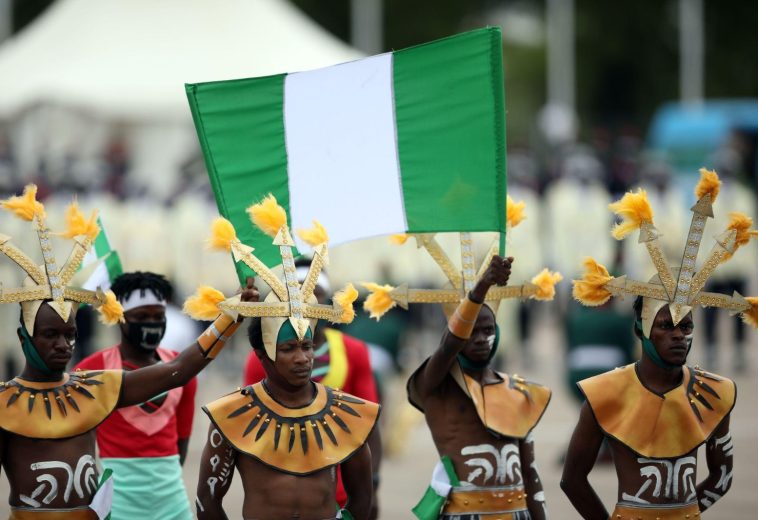
Nigeria today marks 66 years of independence, commemorating the moment on 1 October 1960 when the country emerged as a sovereign nation and began charting its own path in the international community.
Six decades later, Independence Day remains an important moment in Nigeria’s national story. It is a time to honour the generation that secured independence, reflect on the country’s journey and consider the opportunities that can shape its next chapter.
READ ALSO: Nigeria’s $300 Million Renewable Energy Fund Could Reshape Off-Grid Power
This year’s anniversary is being observed under the theme, “From Reforms to Stability: Consolidating Nigeria’s Renewed Hope for Shared Prosperity.” The theme reflects the Federal Government’s stated focus on moving beyond economic reforms and strengthening stability, production and opportunities for Nigerians.
The celebration is low-key, with activities centred on reflection and national renewal. A public lecture takes place on 30 September, while President Bola Ahmed Tinubu delivers a nationwide broadcast to Nigerians today, 1 October.
A Nation Built on Possibility
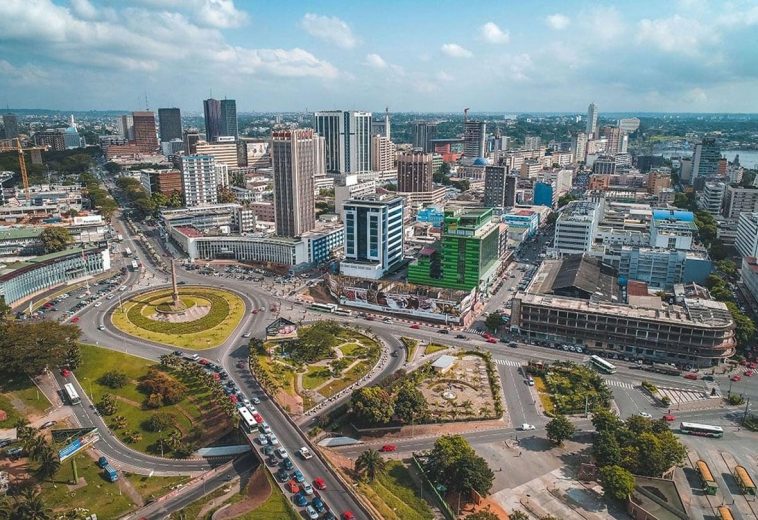
Nigeria’s journey since 1960 is one of ambition, resilience and transformation. From its early years as an independent state, the country has developed into a major economic, cultural and diplomatic force in Africa.
Its influence is visible across the continent and beyond. Nigerian businesses operate across African markets, its creative industries have gained international audiences, technology entrepreneurs are building new digital services, while Nigerian professionals continue to make contributions in fields ranging from medicine and engineering to finance and academia.
The country’s large and youthful population also represents an important source of economic potential. How effectively Nigeria converts that human capital into skills, businesses, innovation and productive employment will remain central to its development.
From Reform to Production
This year’s anniversary comes as Nigeria continues to implement major economic reforms.
At the official anniversary press conference, the Federal Government said the country is moving from reform and stabilisation towards growth, production and shared prosperity. It cited developments including stronger GDP growth, improved foreign reserves, expanded domestic refining capacity and increased investment and productive activity.
Nigeria’s real GDP grew by 4.43 per cent year-on-year in the second quarter of 2026, compared with 4.23 per cent in the same quarter of 2025, according to figures cited by the Federal Government from the National Bureau of Statistics.
The emphasis now is on ensuring that economic activity creates wider opportunities. Infrastructure, agriculture, energy, manufacturing, digital services and enterprise remain important areas for building productive capacity and connecting Nigerians to new markets.
Investing in the Next Generation
Nigeria’s future is also being shaped by investments in human capital.
The Federal Government has highlighted education, digital skills, student financing and enterprise development as part of its broader development agenda. These areas are particularly significant for a country with a large young population and a rapidly changing global economy.
At the same time, agriculture remains central to food security and economic opportunity. Government officials say support for farmers through improved seeds, fertiliser, irrigation, storage and processing is contributing to increased agricultural production.
The challenge is to sustain these efforts and ensure that development reaches communities across the country.
Looking Ahead at 66
Independence Day is ultimately about more than marking another year on the calendar. It is about the responsibility of each generation to build on what it inherits.
For Nigeria, the next phase is about turning its considerable resources, talent and entrepreneurial energy into sustainable prosperity. It means strengthening institutions, expanding productive industries, improving infrastructure and creating an environment in which businesses and citizens can thrive.
At 66, Nigeria continues to write its own story.
The significance of this anniversary lies not only in remembering the achievement of independence in 1960, but also in recognising the work required to build the prosperous, secure and united nation envisioned by generations of Nigerians.
As the green and white flag flies across the country today, Nigeria’s independence story continues — shaped by its people, strengthened by their resilience and defined by the possibilities of the future.