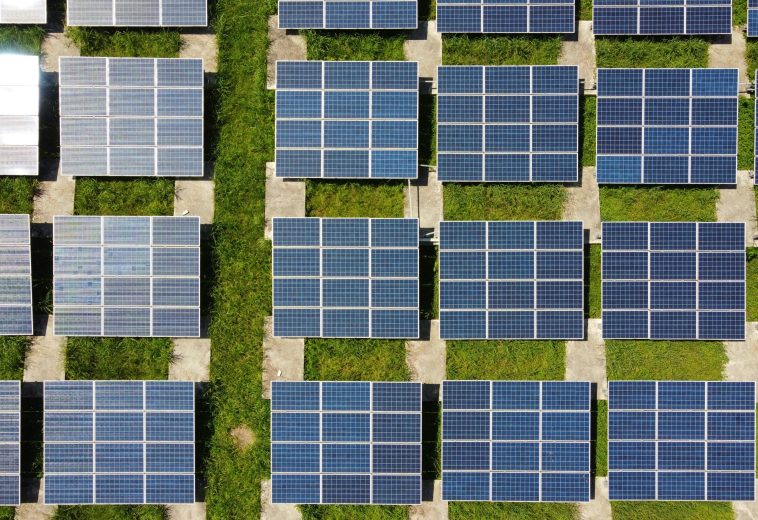
Nigeria has taken a significant step towards expanding electricity access with the commercial launch of a $300 million Distributed Renewable Energy Fund, designed to move renewable-energy projects from limited interventions into large-scale investment. The fund, launched on the sidelines of the United Nations General Assembly in September 2026, will support distributed renewable energy projects including mini-grids and standalone solar systems, particularly in communities and businesses underserved by conventional grid infrastructure.
The initiative brings together the Nigeria Sovereign Investment Authority (NSIA), Africa50 and Sustainable Energy for All, with support from the World Bank. The commercial launch marks the transition from fund structuring to active capital deployment, creating a dedicated platform through which investors can participate in Nigeria’s growing distributed-energy market. An initial $25 million contribution from the World Bank through the International Development Association provides catalytic capital for the initiative.
READ ALSO: Powering Progress: Africa’s Balanced Energy Approach
The importance of the fund lies in the gap it is designed to address. Nigeria has one of Africa’s largest electricity-access challenges, while many households and businesses that are technically connected to the grid continue to face unreliable supply. Distributed renewable energy offers an alternative by bringing electricity generation closer to users through smaller systems that can serve communities, commercial centres, farms and productive businesses.
Mini-grids are particularly relevant for rural communities where extending conventional transmission and distribution infrastructure can be expensive and time-consuming. Standalone solar systems can also provide electricity to households and businesses without requiring immediate connection to the national grid. For small enterprises, reliable electricity can reduce dependence on diesel generators and lower operating costs.
The fund also fits into the wider African electricity-access agenda. It supports Mission 300, the African Development Bank–World Bank initiative seeking to connect 300 million people across Africa to electricity by 2030. Nigeria’s ability to attract private capital into distributed renewable energy could therefore have implications beyond individual projects, particularly if the investment model can be replicated across other African markets.
For investors, the commercial structure is significant because it moves distributed renewable energy closer to an investable infrastructure asset class rather than relying solely on grants and government programmes. Africa50 brings pan-African investment and fund-management experience, while NSIA provides local-market expertise. The partnership is intended to combine public-sector priorities with commercial capital and development-finance support.
The real test, however, will be what happens after the launch. The fund’s success will ultimately depend on how quickly capital reaches viable projects, how many new connections are delivered and whether the systems remain operational over the long term. Reliable maintenance, affordable tariffs, local technical capacity and strong project governance will be essential.
If successfully deployed, the $300 million fund could help Nigeria expand electricity access while creating opportunities for renewable-energy developers, equipment suppliers, local businesses and communities. More importantly, it could demonstrate how innovative financing can turn Africa’s electricity-access challenge into an investment opportunity — bringing clean, decentralised power closer to the people and businesses that need it most.