Africa’s economic future depends on how effectively its natural resources, public assets and financial institutions are transformed into sustainable prosperity. As African and Caribbean nations seek greater economic independence and resilience, sovereign wealth institutions are emerging as strategic instruments for mobilising long-term capital, strengthening public enterprises and supporting inclusive development.
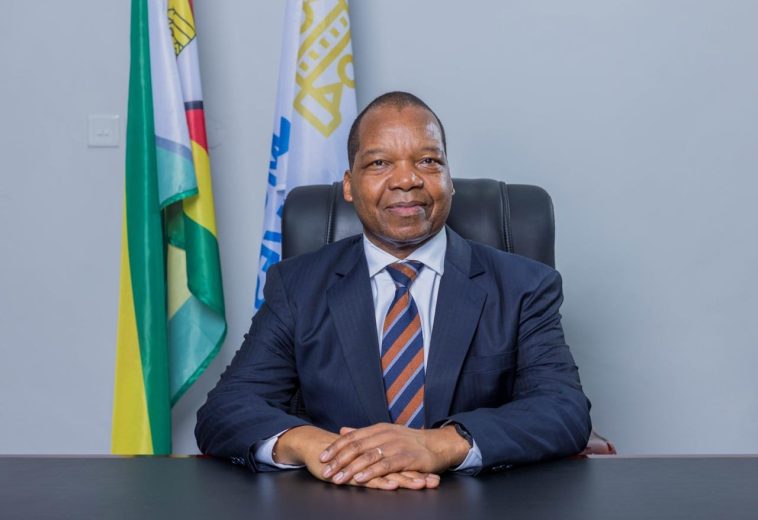
At the 12th International Forum on African-Caribbean Leadership in New York, the Chief Executive Officer of Zimbabwe’s Mutapa Investment Fund explores the growing importance of sovereign wealth institutions in building resilient economies. The address highlights the role of strategic investments in infrastructure, industrialisation, governance and sustainable development, while presenting Zimbabwe’s experience through the Mutapa Investment Fund.
The speech also calls for stronger collaboration between African nations, development finance institutions, private investors and diaspora networks to mobilise capital, strengthen economic integration and preserve national wealth for future generations.
SPEECH
Chief Executive Officer, Mutapa Investment Fund
Zimbabwe
IFAL 2026 – Sovereign Wealth & Strategic Investment Spotlight
Theme: “The Global African Alliance: Reimagining Solidarity, Sovereignty & South–South Cooperation”
24 September 2026
Marriott Marquis, Broadway, New York
During United Nations General Assembly Week
SALUTATIONS
Distinguished Guests, Your Excellencies, Ladies and Gentlemen,
It is a great honour and privilege to address this 12th International Forum on African-Caribbean Leadership here in New York, under a theme that is both timely and consequential: “Sovereign Wealth, Strategic Investments and the Global African Alliance: Building Resilient Economies for Future Generations.”
I bring you warm greetings from Zimbabwe, a nation of remarkable resilience, immense opportunity, and enduring faith in the power of its people and resources.
I also bring greetings from Mutapa Investment Fund, Zimbabwe’s Sovereign Investment vehicle, whose mandate is to preserve, grow, and strategically deploy national wealth in a manner that supports economic transformation, intergenerational equity, and sustainable development.
Allow me to first express my deep appreciation for receiving this prestigious Special U.S. Congressional Commendation Award, and I extend my sincere gratitude to the Members of Congress and all those who made this recognition possible.
This Commendation Award is not only a personal honour, but also a reflection of the collective dedication, professionalism, and long-term vision of Mutapa Investment Fund, whose vision is to secure a successful future for Zimbabwe.
READ ALSO:Erongo’s Governor on Sovereignty, Ownership and South–South Cooperation
This recognition inspires us to further uphold the highest standards of integrity, stewardship, and excellence in service to our stakeholders and future generations.
THE EVENT THEME
Distinguished Guests, today we gather around a defining theme: The Global African Alliance — reimagining solidarity, sovereignty, and South–South cooperation.
Across Africa and the wider African diaspora, solidarity must now move beyond sentiment into structured cooperation, shared institutions, and coordinated economic action.
The African Union’s Agenda 2063 reminds us that Africa’s transformation depends on unity, integration, peace, and self-determined development.
Through frameworks such as the African Continental Free Trade Area and the Tripartite Simplified Trade Regime (SADC, COMESA & EAC), Africa is building the foundation for a single market, stronger regional value chains, and greater collective bargaining power in the global economy.
In this reimagined alliance, Africa’s financial and development institutions such as the African Development Bank and the African Export-Import Bank (Afreximbank) are central pillars supporting infrastructure provision, energy access, food security, industrialisation and climate resilience.
Alongside them, regional bodies such as ECOWAS, SADC, EAC, COMESA, among others, are vital engines of regional integration, peacebuilding, mobility, and economic coordination.
Together, these institutions show that African sovereignty is strengthened when regional and continental systems work in harmony—when ports, railways, digital corridors, payment platforms, and industrial zones connect our economies rather than divide them.
The call before us as enshrined in the theme, therefore, is to build a Global African Alliance that links the continent with its diaspora and with partners across the globe on the basis of mutual respect, shared prosperity, and institutional collaboration.
GROWING IMPORTANCE OF SOVEREIGN WEALTH FUNDS
Distinguished guests, colleagues, and partners, across the African continent, Sovereign Wealth Institutions are becoming more than custodians of national savings; they are emerging as strategic engines of transformation.
By investing resource revenues, fiscal surpluses, and public assets with discipline and long-term vision, these institutions are helping convert today’s wealth into tomorrow’s prosperity. They provide African economies with the capacity to plan beyond political and commodity cycles, mobilise capital for priority sectors, and build resilience against external shocks.
Sovereign Wealth Institutions also have a vital role to play in strengthening public enterprises. Many state-owned companies operate in sectors that are central to national development, including energy, transport, agriculture, infrastructure, telecommunications, and finance.
With the right governance frameworks, Sovereign Wealth Institutions can support these enterprises to become more efficient, better capitalised, and commercially sustainable.
They can promote improved oversight, transparency, performance discipline, and strategic partnerships, ensuring that public enterprises do not merely survive, but become competitive platforms for industrialisation and service delivery.
Equally important is their contribution to sustainable development. Africa’s transformation must be inclusive, climate-conscious, and future-oriented. Sovereign Wealth Institutions can direct patient capital towards renewable energy, green infrastructure, food security, digital innovation, affordable housing, healthcare, and education.
Around the world, Sovereign Wealth Funds have grown into a major force in global finance. The Global SWF’s 2026 Annual Report states that Sovereign Wealth Funds passed US$15 trillion in assets under management for the first time in history. The same report highlighted that, together with pension funds and central banks, state-owned investors have reached an aggregate US$60 trillion.
The importance of Sovereign Wealth Institutions becomes even clearer when we consider Africa’s financing needs. The African Development Bank estimates that the continent requires about US$130 billion to US$170 billion every year for infrastructure, yet still faces an annual infrastructure financing gap of US$68 billion to US$108 billion.
Sovereign Wealth Institutions can help close this gap by mobilising patient capital into energy, transport, logistics, digital infrastructure, water systems, and industrial platforms. They can also crowd in private investors by improving project preparation, strengthening governance, and taking a long-term view where short-term markets may hesitate.
In this way, they can become catalysts for economic transformation rather than passive holders of financial assets.
Equally important is their contribution to sustainable development. UNCTAD estimates that developing countries faced an annual Sustainable Development Goals investment gap of about US$4 trillion in 2023, up from US$2.5 trillion in 2015.
For Africa, this makes Sovereign Wealth Institutions especially relevant: they can direct long-term capital towards renewable energy, climate-resilient infrastructure, food security, healthcare, education, affordable housing, and digital inclusion.
If governed transparently and aligned with national development plans, Africa’s Sovereign Wealth Institutions can help turn public wealth into sustainable wealth—building economies that are more resilient, more inclusive, and better prepared for future generations.
Sovereign Wealth Institutions also have a vital role to play in strengthening public enterprises. Many state-owned companies operate in sectors central to national development, including power, ports, rail, agriculture, telecommunications, finance, and natural resources.
With strong governance frameworks, Sovereign Wealth Institutions can support these enterprises to become better capitalised, more transparent, and more commercially disciplined. Their value is not only in providing capital, but in insisting on performance: stronger boards, clearer mandates, improved reporting, and investment decisions linked to national development outcomes.
Properly structured, they can help transform public enterprises from fiscal burdens into engines of productivity, job creation, and industrial growth.
To achieve the desired goals, Sovereign Wealth Institutions must be transparent, professionally managed, and anchored in national development strategies.
If empowered and held accountable, they can help transform natural wealth into productive assets, strengthen public enterprises into engines of growth, and foster sustainable development that benefits generations to come. The opportunity before Africa is not simply to manage wealth, but to shape a more resilient, inclusive, and prosperous future.
For resource-rich economies such as many of ours, the fundamental question is not simply what we own, but how we convert what we own into lasting value.
Sovereign wealth institutions represent the disciplined conversion of today’s resources into tomorrow’s prosperity. They enable nations to transform finite mineral wealth, public assets, budget surpluses, and strategic holdings into diversified portfolios that support long-term development.
Too often, our resources have left our shores as raw materials, only to return as expensive finished goods. Too often, our strategic assets have been undercapitalised, underutilised, or undervalued. Too often, our economies have remained vulnerable to commodity cycles, external shocks, debt pressures, and policy uncertainty.
Sovereign Wealth Funds offer us an opportunity to change this pattern. They can help us:
- Stabilise economies against external shocks;
- Mobilise capital for strategic sectors;
- Support infrastructure development;
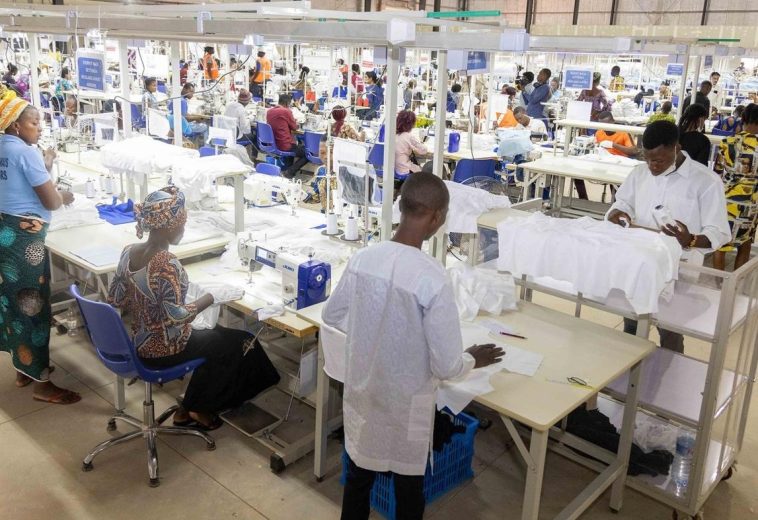
- Promote industrialisation and value addition;
- Promote exports and import substitution;
- Catalyse private-sector participation;
- Attract patient and long-term capital;
- Preserve wealth for future generations; and
- Strengthen national balance sheets.
If sovereign wealth funds and strategic investment vehicles are to serve their intended purpose, we must build institutions that command confidence. This requires:
- Clear mandates;
- Strong boards and professional management;
- Transparent reporting;
- Sound risk management;
- Independent audits;
- Commercial discipline;
- Ethical leadership; and
- Alignment with national development goals.
THE CASE FOR MUTAPA INVESTMENT FUND
In Zimbabwe, Mutapa Investment Fund, the Sovereign Wealth Fund of Zimbabwe, has been positioned as a key vehicle for national development and strategic investment.
Its role is to manage and optimise the value of state-owned assets, unlock capital, improve corporate governance, and invest in sectors that are essential to Zimbabwe’s economic transformation.
Mutapa Investment Fund is focused on sectors that are central to resilient economic growth, including:
- Mining and mineral beneficiation;
- Energy and power generation;
- Agriculture and industrial development;
- Infrastructure, ICT and logistics;
- Financial services; and
- Real estate.
Zimbabwe is endowed with significant natural resources—including gold, platinum group metals, lithium, chrome, diamonds, coal-bed methane, and vast agricultural potential.
However, the future will not be secured by resources alone. It will be secured by the value chains we build around those resources.
Since its operationalisation in May 2024, Mutapa Investment Fund has fixed governance gaps, addressed financial management challenges, and mobilised over US$1 billion in 2025 for investment in the national assets under its ambit.
The result has been remarkable improvement in performance, as indicated in the Fund’s 2025 audited financial statements.
At Mutapa Investment Fund, we recognise that our success will be measured not only by financial returns, but also by our contribution to national development—jobs created, industries revived, exports increased, assets strengthened, governance improved, and wealth preserved for future generations.
CONCLUSION
The current global financial architecture has not always served developing economies fairly. Many African and Caribbean nations face high borrowing costs, limited fiscal space, vulnerability to external shocks, and constrained access to long-term development finance.
Therefore, going forward, we must develop new financing mechanisms that blend public capital, private capital, philanthropic capital, climate finance, and diaspora resources. We must structure projects better, prepare them professionally, de-risk them intelligently, and present them to investors with credibility.
Sovereign investment funds can help address many economic challenges affecting African states. They can act as anchor investors, project developers, co-investment partners, and custodians of national strategic interests.
But to do so effectively, we must collaborate across borders. No single nation can achieve transformation alone. The scale of the challenges we face requires pooled capital, shared expertise, harmonised regulation, and collective ambition.
Let us commit to building a Global African Investment Compact—a practical framework through which sovereign wealth funds, investment agencies, development finance institutions, pension funds, private investors, and diaspora networks can identify, finance, and deliver strategic projects.
The time has come to build resilient economies that can withstand shocks, create jobs, generate wealth, and preserve dignity. The time has come to ensure that the resources of our nations benefit not only this generation, but generations yet unborn.
As Mutapa Investment Fund, we stand ready to partner, to invest, to learn, and to contribute to this noble agenda.
Together, let us build economies that are sovereign in vision, strategic in investment, African in identity, and global in ambition.