Across Africa’s rapidly growing cities, a quiet transport revolution is gathering pace. Electric motorcycles are steadily replacing petrol-powered bikes, offering a cleaner, more affordable, and sustainable option for millions of commercial riders. From Nairobi and Kigali to Kampala and Lagos, electric two-wheelers are lowering operating costs, improving air quality, and reshaping urban mobility while creating new economic opportunities for riders and businesses alike.
Motorcycles play a vital role in Africa’s transport ecosystem. They provide affordable mobility for commuters, enable last-mile deliveries, connect rural communities to urban markets, and support millions of livelihoods through commercial taxi services. However, rising fuel prices, high maintenance costs, and growing environmental concerns have exposed the limitations of conventional petrol-powered motorcycles. Electric alternatives are emerging as a practical solution to both economic and environmental challenges.
READ ALSO: The Next Transport Frontier: Electric Mobility and Africa’s Urban Opportunity
One of the biggest advantages of electric motorcycles is their significantly lower operating costs. Commercial riders can reduce their daily transport expenses by between 30% and 40% by switching from petrol to electricity. Because electricity prices are generally more stable than fuel prices, operators are less exposed to fluctuations in global oil markets, making it easier to manage costs and improve earnings.
For thousands of motorcycle taxi operators, these savings translate directly into higher daily incomes. Lower fuel costs and reduced maintenance requirements allow riders to keep more of what they earn while spending less time repairing engines and replacing worn mechanical parts. Electric motorcycles also have fewer moving parts than internal combustion engines, making them simpler and less expensive to maintain over the long term.
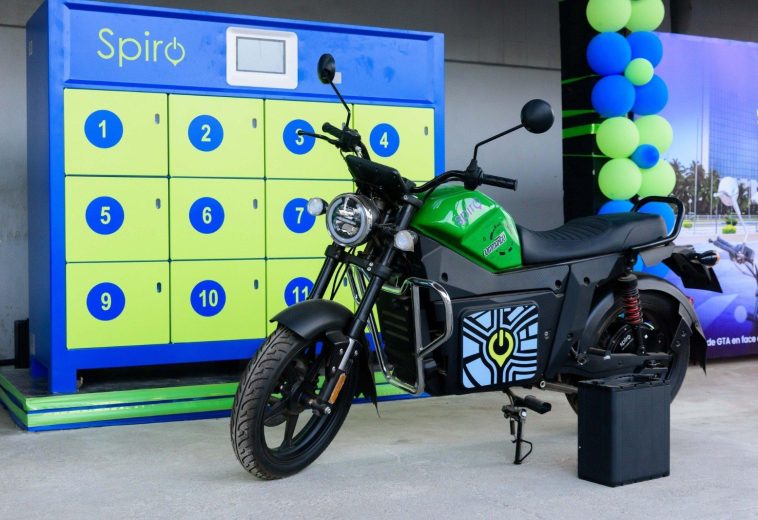
A key driver of adoption is the rapid expansion of battery-swapping networks. Instead of waiting hours to recharge, riders can visit dedicated swapping stations where depleted batteries are exchanged for fully charged ones in just a few minutes. This model virtually eliminates downtime, allowing commercial operators to remain on the road throughout the day and maximise productivity.
Companies such as Spiro and Ampersand have played a leading role in building this ecosystem. Together, they have deployed tens of thousands of electric motorcycles across African markets while establishing hundreds of battery-swapping stations to support expanding fleets. Their investments are helping create the infrastructure needed for large-scale electric mobility while giving riders greater confidence to make the switch.
The environmental benefits are equally important. Unlike conventional motorcycles, electric bikes produce no tailpipe emissions, reducing the release of harmful pollutants that contribute to poor air quality in densely populated cities. As urban populations continue to grow, cleaner transport solutions are becoming increasingly important for protecting public health and improving quality of life.
Electric motorcycles also reduce dependence on imported fossil fuels. By shifting towards electricity, countries can strengthen energy security while reducing the impact of fuel shortages and volatile global oil prices. This transition also supports broader efforts to diversify energy sources and build more sustainable economies.
Another often-overlooked benefit is the reduction in urban noise pollution. Electric motorcycles operate much more quietly than petrol-powered bikes, contributing to quieter streets and more pleasant environments for residents, businesses, and pedestrians.
Several African countries are emerging as leaders in electric mobility. Kenya has become one of the continent’s largest markets for electric motorcycles, supported by a vibrant innovation ecosystem and favourable government policies. Rwanda continues to promote sustainable transport through investments in clean mobility, while Uganda and Nigeria are also witnessing rapid growth as private companies expand their electric vehicle operations.
Governments are increasingly recognising the strategic role of electric transport in achieving climate and development goals. Tax incentives, investment in charging infrastructure, supportive policies, and partnerships with private-sector innovators are helping accelerate adoption while encouraging local manufacturing and assembly of electric vehicles.
Despite this progress, barriers remain. Expanding charging and battery-swapping infrastructure, improving access to affordable financing, strengthening electricity supply, and raising public awareness will all be essential to sustaining long-term growth. Continued investment by governments, development partners, and private companies will be critical to overcoming these barriers.
The outlook for Africa’s electric mobility sector remains highly promising. As technology advances and battery costs continue to decline, electric motorcycles are becoming increasingly accessible to commercial riders across the continent. Their combination of affordability, efficiency, and environmental sustainability makes them well suited to Africa’s rapidly urbanising economies.
More than simply a new mode of transport, electric motorcycles represent a broader shift towards cleaner cities, stronger local economies, and more resilient transport systems. By embracing electric mobility, Africa is showing that sustainable innovation can deliver tangible benefits for businesses, communities, and the environment while driving the continent towards a more prosperous, low-carbon future.