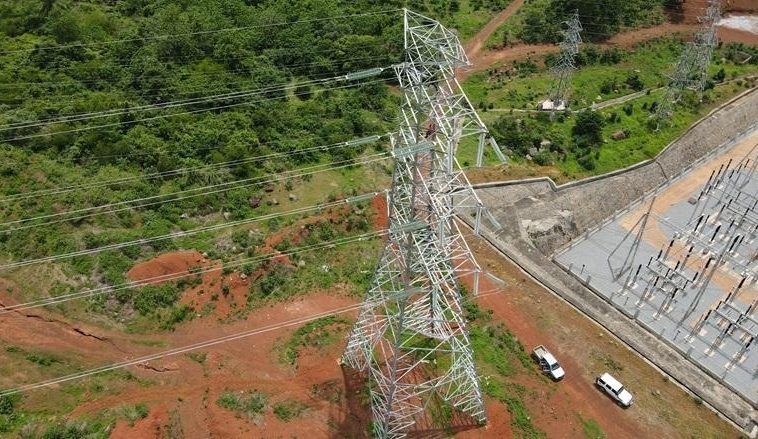
Reliable electricity remains one of the most important foundations of Africa’s industrial transformation. Across West Africa, businesses face high energy costs and inconsistent power supplies that limit productivity, discourage investment and make local manufacturing less competitive. A new regional initiative is seeking to address this challenge by placing energy infrastructure at the centre of industrial development.
On 20 October 2026, the ECOWAS Business Council announced plans to advance the Power W.A. (Power West Africa) for Industrialisation initiative, a private-sector-led framework designed to mobilise investment in regional electricity infrastructure and support industrial growth.
READ ALSO: ECOWAS and Sahel Alliance: Rebuilding West Africa’s Economic Bridges
The initiative will focus on developing industrial power corridors supported by an assessment of electricity supply and demand across the region. By identifying infrastructure gaps and investment opportunities, the programme aims to improve access to dependable electricity for businesses and industries operating across West African markets.
The proposal reflects a broader recognition that energy shortages cannot be addressed through isolated national projects alone. Manufacturing industries require reliable electricity networks, predictable supply and infrastructure capable of supporting production at scale. Regional cooperation could help countries coordinate investments, share infrastructure and develop more efficient energy markets.
The ECOWAS Business Council, chaired by Nigerian industrialist Aliko Dangote, intends to engage major regional businesses and multilateral development finance institutions, including Afreximbank, the Africa Finance Corporation and the International Finance Corporation. ECOWAS institutions and national governments are expected to contribute through policy support and an enabling investment environment.
The initiative also seeks to strengthen collaboration between the public and private sectors. While governments remain responsible for establishing regulatory frameworks and supporting regional integration, private investors can provide capital, technical expertise and operational capacity for infrastructure development.
For West Africa, the potential benefits extend beyond electricity access. More dependable power could help manufacturers reduce operating costs, expand production and compete more effectively with imported goods. It could also support agro-processing, mineral beneficiation and other industries that depend on consistent energy supplies.
However, the initiative’s success will depend on translating its plans into bankable projects, securing financing and ensuring that electricity becomes more affordable and reliable for businesses. Regional power corridors will also require coordination among countries on infrastructure standards, regulations and cross-border electricity trade.
Power W.A. presents an opportunity to connect energy investment with the region’s wider industrial ambitions. Its lasting value will be measured by whether it helps businesses produce more competitively, attracts new investment and creates productive employment across West Africa.