Mauritania is taking a decisive step to strengthen its railway infrastructure. The recent $275 million financing deal from the African Development Bank (AfDB) and the European Investment Bank (EIB) aims to modernise the nation’s 728 km iron ore railway. For a country where mining drives the economy, and the railway has long been the industrial backbone, this project is about more than moving minerals; it’s about improving efficiency, creating jobs, and securing long-term national revenue.
The Zouerate–Nouadhibou railway has carried some of the world’s longest iron ore trains for decades, linking the mines in the northeast to the Atlantic port. But much of the infrastructure has aged, slowing operations and limiting the country’s ability to expand production. With global demand for high-grade iron ore rising and Africa playing an increasingly important role in mineral supply chains, modernising this corridor is both practical and timely.
READ ALSO: Inside AfDB’s East Africa Strategy and the Road to a More Connected Continent
The financing package provides $150 million from the AfDB and $125 million from the EIB, backed by EU guarantees. The project includes rehabilitating existing tracks, adding 42 km of new line to connect future mining sites at El Aouj and Atomai, acquiring new locomotives and wagons, and upgrading maintenance facilities. These improvements are designed to increase operational efficiency, safety, and reliability, while supporting SNIM, the national mining company and the country’s largest employer.
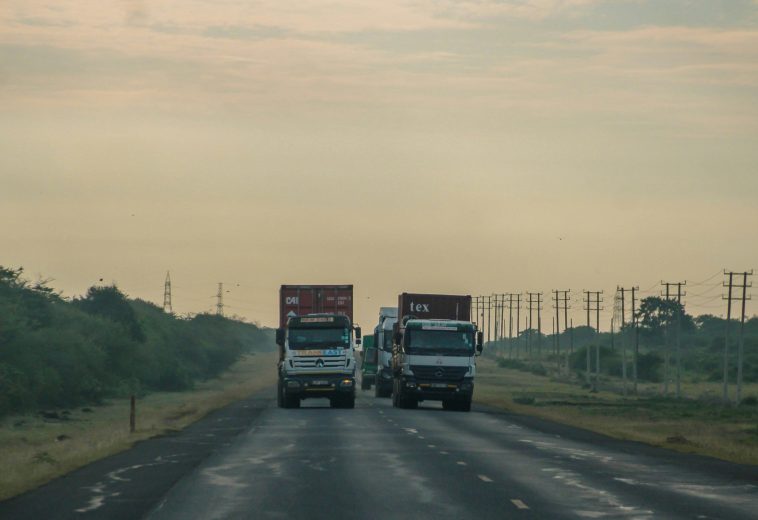
This upgrade matters because SNIM’s iron ore exports make up roughly a quarter of Mauritania’s GDP and nearly half of its export earnings. Expanding rail capacity will cut operating costs, improve reliability for buyers, enhance safety, and reduce the need to transport ore by road, a shift that brings environmental and road safety benefits. Beyond mining, the project could stimulate private-sector growth, local services, and related industries, strengthening the broader economy.
Since the 1960s, Mauritania’s railway has been central to its industrial economy. The infrastructure has remained largely unchanged, primarily serving iron ore transport with minimal passenger use. This investment marks the largest upgrade in decades, modernising the system to meet global standards and supporting climate-aligned, sustainable mining operations. It represents a shift toward efficiency, reliability, and access to new markets.
On a regional and global level, the railway upgrade positions Mauritania as a more strategic supplier of iron ore. With Africa’s growing role in the minerals market, a reliable and climate-conscious supply chain strengthens the continent’s bargaining power. The project aligns with EU and global decarbonisation goals, reduces emissions, and supports Paris Agreement commitments, making Mauritania a key partner for European steel producers seeking stable, low-emission ore sources.
Looking at the bigger picture, the railway positions Mauritania as a more strategic supplier of iron ore. It supports Africa’s rising influence in global minerals markets and aligns with international climate goals by reducing emissions from transport. While challenges remain commodity price swings, reliance on iron ore, climate-related risks, and competition from other mining nations, the project opens doors to new mining zones, potential tourism, stronger revenues, and economic diversification. If implemented effectively, this railway upgrade can help Mauritania secure a more stable, competitive, and opportunity-rich future.