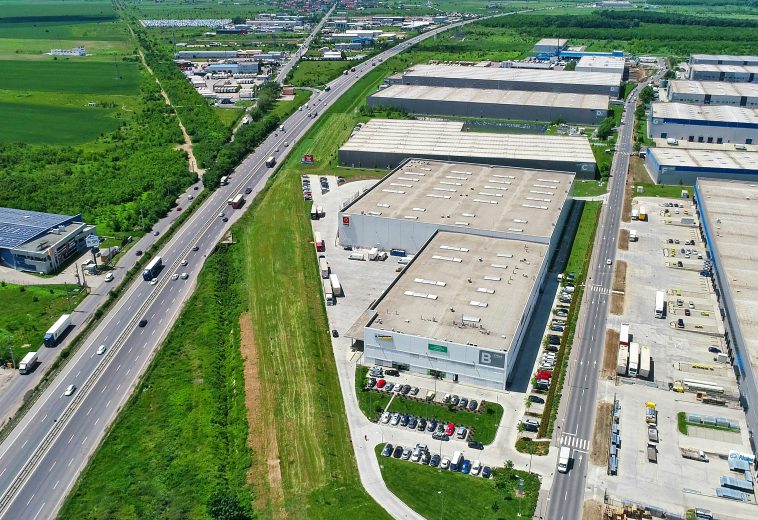
Abidjan, the economic capital of Côte d’Ivoire, is undergoing one of the most ambitious urban transformations in Africa. Long recognised as a major commercial centre, the city is now evolving into a regional powerhouse driven by large-scale infrastructure investments, modern transport systems, expanding trade networks, and sustainable urban development.
As Côte d’Ivoire continues to record strong economic growth, Abidjan is increasingly positioning itself as a strategic gateway for investment, commerce, and regional integration across West Africa. The city’s transformation reflects a broader vision of modernisation that seeks to strengthen competitiveness while improving the quality of life for millions of residents.
READ ALSO: Dakar Rising: The City Powering West Africa’s Startup Revolution
At the heart of this transformation is the Abidjan Metro Line 1, one of the most significant urban transport projects currently under development in Africa.
Valued at approximately €1.8 billion, the metro line stretches 37.4 kilometres across seven municipalities and includes 18 stations. Once fully operational, it is expected to serve more than half a million passengers daily, dramatically improving mobility throughout the metropolitan area.
The project is designed to address one of Abidjan’s most persistent urban challenges: traffic congestion. By providing a fast, efficient, and reliable public transport system, the metro will reduce travel times, improve connectivity between residential and commercial districts, and enhance economic productivity across the city.
Beyond improving urban mobility, the metro is expected to stimulate real estate development, attract private investment, and support the growth of new business districts along its route. Like similar projects in major global cities, it has the potential to reshape patterns of urban development and economic activity for decades to come.
Abidjan’s ambitions extend beyond city transportation.
The city also occupies a central position within one of Africa’s most important regional infrastructure initiatives: the Abidjan–Lagos Corridor Highway. Estimated at approximately $15 billion, this transformative project will create a six-lane highway stretching more than 1,000 kilometres along the West African coast.
The corridor will connect Côte d’Ivoire, Ghana, Togo, Benin, and Nigeria, linking some of Africa’s most dynamic economies and creating one of the continent’s largest integrated economic zones.
The project is expected to play a vital role in advancing the goals of the African Continental Free Trade Area (AfCFTA) by reducing transport costs, facilitating cross-border trade, improving logistics efficiency, and enhancing the movement of goods and people throughout the region.
For Abidjan, the highway strengthens its position as a critical commercial gateway between Francophone and Anglophone West Africa while reinforcing its role in regional trade and investment flows.
The city’s strategic importance is also supported by its coastal location and world-class maritime infrastructure.
The Port of Abidjan remains one of West Africa’s busiest and most important seaports, serving not only Côte d’Ivoire but also several landlocked countries in the region. Continued investments in port modernisation, logistics facilities, and transport connectivity are strengthening the city’s role within regional and global supply chains.
As trade volumes increase under AfCFTA, Abidjan is well positioned to benefit from growing demand for logistics, warehousing, transportation, and distribution services.
Urban development is another defining feature of the city’s transformation.
Developers are increasingly embracing innovative architectural concepts, sustainable construction techniques, and environmentally conscious urban planning models. New residential and commercial developments are incorporating energy-efficient designs, locally sourced materials, and modern construction technologies to address growing demand while reducing environmental impacts.
Emerging innovations, including experimental 3D-printed housing projects and green building initiatives, demonstrate the city’s willingness to adopt forward-looking solutions to urbanisation challenges.
However, rapid growth also presents significant pressures.
As Abidjan’s urban footprint continues to expand, demand for housing, transportation, sanitation, water infrastructure, and environmental protection has intensified. Managing this growth sustainably has become a central priority for policymakers and urban planners.
One of the most important environmental assets under protection is the Banco National Park, one of the largest urban forests in West Africa. The park plays a critical role in biodiversity conservation, carbon absorption, climate regulation, and environmental resilience within the metropolitan area.
Authorities are also investing in the protection and restoration of the Ébrié Lagoon, a vital ecosystem that supports transportation, fishing activities, tourism, and environmental sustainability throughout the city.
Economically, Abidjan continues to strengthen its position as one of Africa’s leading financial and commercial centres.
The city attracts growing levels of foreign direct investment across sectors such as finance, technology, manufacturing, logistics, telecommunications, real estate, and professional services. A rising middle class, expanding consumer markets, and improving infrastructure continue to enhance its attractiveness to both domestic and international investors.
While rapid development has contributed to rising living costs, particularly for imported goods and premium services, it has also generated significant opportunities for entrepreneurship, employment creation, and wealth generation.
Beyond economics, Abidjan’s cultural vitality remains one of its defining strengths. The city combines modern shopping districts, vibrant open-air markets, world-class restaurants, diverse cultural communities, and a thriving entertainment scene. This blend of local traditions and international influences has helped establish Abidjan as one of the most attractive urban destinations in West Africa for investors, professionals, tourists, and expatriates alike.
Today, Abidjan stands as a powerful symbol of Africa’s urban future.
Through transformative projects such as the metro system, the Abidjan–Lagos Corridor, port modernisation programmes, and sustainable urban development initiatives, the city is redefining its role within West Africa’s economic landscape.
As Côte d’Ivoire continues its upward economic trajectory, Abidjan is increasingly emerging as a model for how infrastructure investment, regional integration, environmental stewardship, and economic diversification can work together to create a globally competitive African city. Its transformation is not simply changing the skyline; it is shaping the future of commerce, connectivity, and urban development across the region.