Africa stands at a defining moment in its economic development journey. The continent is endowed with abundant natural resources, one of the world’s youngest populations, and rapidly expanding urban centres. Yet these strengths continue to be constrained by a significant infrastructure deficit. Closing this gap is essential to unlocking sustainable economic growth, reducing poverty, and improving the quality of life for millions of Africans.
The scale of Africa’s infrastructure challenge is immense. According to the African Development Bank, the continent requires between $130 billion and $170 billion in infrastructure investment annually, yet faces a financing gap of between $68 billion and $108 billion each year. The consequences are visible across every sector. More than 600 million Africans still lack access to electricity, inefficient transport networks increase freight costs by as much as 40 per cent between countries, nearly 400 million people remain without safe drinking water, and broadband penetration is still below 50 per cent. Collectively, these shortcomings cost Africa hundreds of billions of dollars in lost economic output each year.
READ ALSO: Connecting a Region: Côte d’Ivoire’s Rise as West Africa’s Infrastructure Hub
Addressing this challenge requires a multifaceted strategy built around four critical pillars. The first is domestic resource mobilisation. Africa holds more than $1.2 trillion in pension fund assets, representing a significant pool of long term capital that could support infrastructure investment. Modernising tax systems through digital technologies can improve revenue collection, while sovereign wealth funds can be strategically directed towards high impact sectors such as renewable energy to establish a stronger and more sustainable financing base.
The second pillar is blended finance and increased private sector participation. Public funding alone cannot meet Africa’s infrastructure needs. Governments and development institutions must therefore expand financing models that combine concessional funding with private investment. Risk mitigation tools, including political risk insurance and investment guarantees, can encourage foreign direct investment, while green bonds provide additional capital for climate resilient projects. Standardised public private partnership frameworks would also reduce legal uncertainty, improve investor confidence, and accelerate project delivery.
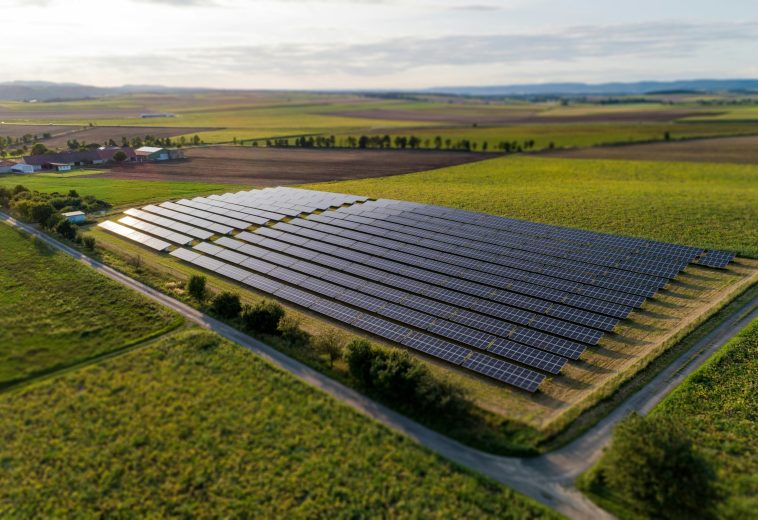
The third pillar focuses on smart and green infrastructure. Rather than following traditional development pathways, Africa has an opportunity to leapfrog outdated technologies by embracing decentralised renewable energy systems such as solar mini grids for underserved communities. Artificial intelligence powered digital twin technology can improve the planning and management of transport and utility networks, while nature based solutions, including mangrove restoration and urban wetlands, offer sustainable approaches to flood management and climate adaptation.
Regional integration forms the fourth pillar. The African Continental Free Trade Area presents a transformative opportunity to strengthen cross border infrastructure through transnational highways, regional power pools, and harmonised customs procedures. These investments have the potential to reduce trade costs by up to 40 per cent while improving the movement of goods and services across the continent. Integrated electricity grids can also enable countries with surplus renewable energy to supply neighbouring markets, strengthening energy security and reducing dependence on fossil fuels.
Closing Africa’s infrastructure gap would deliver far reaching economic and social benefits. Studies suggest that expanded infrastructure investment could increase GDP per capita by approximately $510 by 2050. Greater access to electricity, clean water, and efficient transport would improve healthcare, education, and employment opportunities while reducing extreme poverty. At the same time, investment in green technologies and digital infrastructure would strengthen climate resilience, accelerate innovation, and promote greater financial inclusion.
Despite these opportunities, significant obstacles remain. Financing gaps persist because of perceived investment risks and political uncertainty. Around 80 per cent of infrastructure projects fail during the planning or early implementation stages due to inadequate risk management, weak stakeholder coordination, and limited institutional capacity. Fragmented national policies and insufficient regional cooperation further delay progress. Overcoming these challenges will require stronger governance, more efficient project preparation, transparent procurement systems, and deeper collaboration among African nations.
Africa’s long term prosperity depends on its ability to transform infrastructure from a persistent constraint into a powerful engine of economic growth. Achieving this vision will require innovative financing, stronger regional integration, technological innovation, and resilient long term planning. By working together, governments, the private sector, development partners, and regional institutions can build the modern infrastructure needed to create a more resilient, inclusive, and prosperous Africa.