Chad is steadily reshaping its economic future through a combination of strategic reforms, agricultural expansion, and sustained investment in its oil sector. Once heavily dependent on crude oil revenues, the country is now making notable progress towards building a more diversified and resilient economy. This transformation has earned international recognition, with the World Bank upgrading Chad’s 2026 economic growth forecast to 5.2 percent, the largest upward revision for any African economy this year.
The improved outlook reflects a broad-based recovery driven not only by oil but also by stronger performance in agriculture, structural reforms, and renewed efforts to attract investment. While challenges such as climate vulnerability and infrastructure deficits remain, Chad’s current trajectory signals growing confidence in its long-term economic prospects.
READ ALSO: Smart Farming: The Boost for Digital Transformation of African Agriculture
Crude oil continues to play a central role in Chad’s economy, accounting for approximately 76 per cent of export earnings and a significant share of government revenue. Despite fluctuations in global oil prices and production levels, the sector remains the country’s primary source of foreign exchange and fiscal stability.
Strategic partnerships with international financial institutions, including the International Monetary Fund (IMF), have helped strengthen macroeconomic management while supporting reforms aimed at improving fiscal discipline and economic resilience. Continued investment in the petroleum industry is expected to provide the government with the resources needed to finance infrastructure, education, healthcare, and economic diversification programmes.
Although oil dominates exports, agriculture remains the country’s largest employer, providing livelihoods for nearly 85 per cent of the population. Recognising the need to reduce dependence on hydrocarbons, Chad is investing heavily in modernising its agricultural sector.
Government initiatives, supported by the World Bank Group, are helping farmers improve productivity through better access to irrigation, improved seeds, agricultural extension services, and rural infrastructure. At the same time, investments in agro-processing are creating additional value chains that strengthen food security while generating new export opportunities.
Cash crops such as sesame, cotton, and gum arabic are becoming increasingly important contributors to economic growth. Global demand for these products continues to rise, positioning Chad as a competitive supplier in regional and international markets. Diversifying agricultural exports not only boosts foreign exchange earnings but also creates employment opportunities beyond traditional farming.
A key pillar of Chad’s economic turnaround has been the implementation of ambitious structural reforms designed to improve governance, increase transparency, and expand domestic revenue generation.
One of the government’s most significant initiatives has been the digitisation of public financial management, enabling more efficient tax collection, improved budget oversight, and greater accountability in public spending. These reforms are helping broaden the country’s tax base beyond the oil sector, reducing vulnerability to fluctuations in global commodity markets.
Improved fiscal management is also enhancing investor confidence, creating a more predictable business environment that encourages both domestic entrepreneurship and foreign direct investment.
At the centre of Chad’s long-term economic strategy is its ambitious National Development Plan, which aims to achieve average annual economic growth of 8 per cent through 2030.
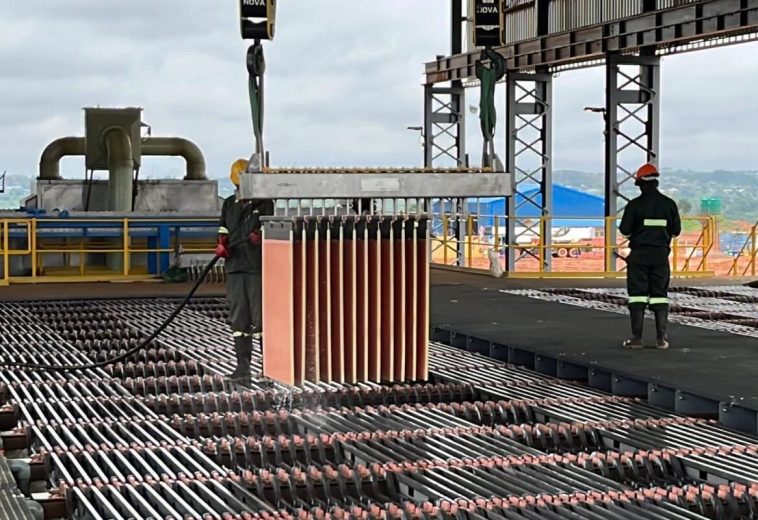
The plan focuses on accelerating industrialisation, improving transport and energy infrastructure, strengthening agricultural value chains, and mobilising greater private-sector investment. By encouraging economic diversification and expanding productive industries, the government hopes to generate sustainable employment while reducing poverty and improving living standards.
Priority investments are also being directed towards human capital development, recognising that education, healthcare, and workforce skills are essential for sustaining long-term economic transformation.
Chad’s economic progress demonstrates the value of combining natural resource wealth with structural reform and economic diversification. While oil continues to provide critical fiscal support, the country’s growing agricultural sector, stronger public financial management, and long-term development strategy are laying the foundations for more inclusive and sustainable growth.
As international institutions project stronger economic performance and reforms continue to gain momentum, Chad is positioning itself as one of Africa’s emerging economic success stories. By leveraging its natural resources while investing in agriculture, industrialisation, and governance reforms, the country is creating new opportunities for businesses, investors, and its growing population, signalling a promising new chapter in its development journey.