Can the Democratic Republic of Congo (DRC) turn growing international demand for its critical minerals into lasting industrial development at home? The country is seeking to make that transition a central objective of its strategic partnership with the United States, following a meeting of the partnership’s joint steering committee in Paris on 5 November 2026.
The Congolese government has emphasised that international cooperation must translate into concrete investment, local mineral processing, improved electricity access and employment opportunities. The position reflects a broader ambition to ensure that the country’s mineral wealth contributes more directly to domestic economic transformation.
READ ALSO: Africa’s Financial Future: Luanda Summit Calls for Domestic Capital to Drive Development
The DRC is a leading global producer of cobalt and one of the world’s major copper producers. These minerals are essential to electric vehicles, batteries, renewable energy technologies and other industrial applications. Their strategic importance has increased as governments and manufacturers seek more secure and diversified supply chains.
The strategic partnership agreement, signed by the DRC and the United States in December 2025, aims to encourage investment in mining, infrastructure, energy and related sectors. It also reflects Washington’s efforts to strengthen access to critical minerals and develop alternative supply chains.
At the November meeting, both governments reviewed progress on priority initiatives, including the Lobito Corridor, the Grand Inga hydropower project and opportunities for mineral processing and exports. The United States also reported growing private-sector interest in the partnership and an expanding investment pipeline through the US International Development Finance Corporation.
However, the meeting did not announce new funding commitments or a list of newly approved projects. Congolese Economy Minister Daniel Mukoko Samba stressed that the partnership should be judged by completed projects and tangible investment. The government wants cooperation to support local processing, improve electricity access for households and businesses, and contribute to stability in the country’s east.
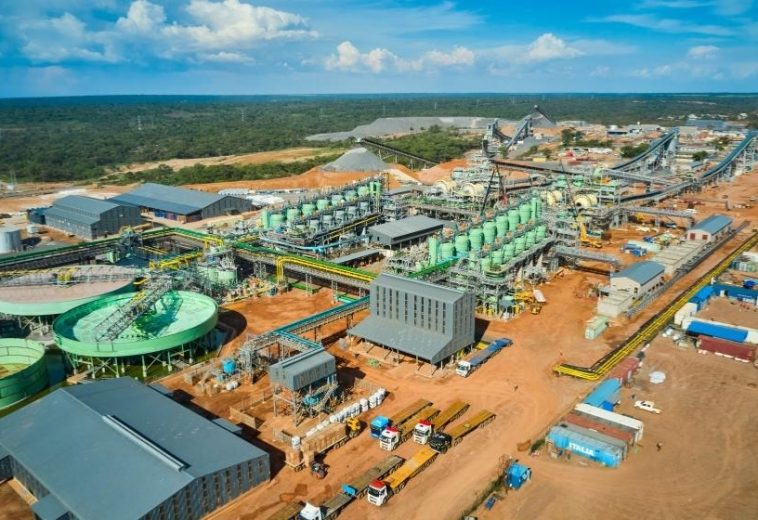
This emphasis on domestic value addition addresses a longstanding challenge in Africa’s mineral economy. Countries often export raw or minimally processed resources while importing higher-value products manufactured elsewhere. As a result, much of the industrial activity, technical expertise and employment associated with mineral supply chains develops outside the producing countries.
For the DRC, expanding local processing could create opportunities in refining, component manufacturing, engineering services and industrial logistics. But these ambitions require more than mineral deposits and international buyers. Reliable electricity, transport infrastructure, skilled workers, predictable regulation and access to finance are essential to make domestic processing commercially viable.
The Lobito Corridor is one of the partnership’s important infrastructure priorities. Linking mineral-producing areas of the DRC and Zambia to Angola’s Atlantic port, the corridor is intended to improve regional transport connectivity and facilitate trade. The signing of its concession agreement was recognised as a key milestone at the Paris meeting. Its wider economic value will depend on supporting infrastructure, efficient border procedures and opportunities for local businesses along the route.
Energy is another central issue. The two governments discussed next steps for the Grand Inga hydropower project, which has the potential to provide substantial electricity for the DRC and the wider region. The project’s coordination and governance committee held its inaugural meeting on 26 October 2026. Nevertheless, major technical, financial, institutional and regulatory work remains necessary before its potential can be translated into operating power infrastructure.
The partnership also includes measures intended to improve the investment environment. The joint steering committee welcomed the DRC’s adoption of legislation establishing tax and customs rules for projects under the agreement. Both governments emphasised coordination, transparency and the need for Congolese workers and businesses to benefit through employment, skills development and commercial participation.
These commitments will be important in determining whether the partnership produces broad economic gains. Investment agreements should be accompanied by clear expectations on local procurement, workforce training, technology transfer and environmental standards. Without such measures, increased mineral exports may not generate sufficient domestic industrial capacity.
The DRC must also manage the relationship between attracting foreign capital and protecting national interests. International partnerships can provide access to finance, expertise and markets, but their value depends on transparent negotiations, strong institutions and the country’s ability to enforce its laws. Security challenges in the eastern region remain another major consideration, as lasting investment requires a stable operating environment.
For the United States, the partnership offers an opportunity to strengthen access to minerals that are important to advanced manufacturing and energy technologies. For the DRC, the more important objective is to use that international interest to build productive capacity at home.
The next phase will therefore be judged less by the number of agreements signed than by the projects financed, infrastructure delivered, electricity made available and Congolese businesses integrated into the supply chain.
The wider African lesson is clear: mineral wealth becomes a foundation for economic transformation when it supports industries, skills and infrastructure within the countries where resources are extracted. For the DRC, turning its strategic minerals partnership into measurable domestic development would demonstrate how international cooperation can serve national industrial ambitions.